In July 1638, Penowanyanquis, a Nipmuc man serving as a messenger, was traveling on Native American trails between Providence and Plymouth Colony to deliver a gift from Narragansett chief Mixanno to English colonists. On his return trip he encountered four runaway indentured servants — Arthur Peach, Thomas Jackson, Richard Stinnings, and Daniel Cross, sometimes referred to as the "Peach Gang" — who were lost and hungry in the wilderness. The men invited Penowanyanquis to their campfire, then robbed him of wampum and woolen cloth. Arthur Peach stabbed him in the leg and stomach with a rapier, with trial testimony indicating that at least one other man attempted to assist in the attack. Despite his injuries, Penowanyanquis escaped and hid in a marsh before being found by a group of Narragansett men.
Roger Williams and two colonial physicians attempted to save Penowanyanquis's life, but he died of blood loss and infection in Providence, having identified his attackers as white indentured servants before he died. Williams, realizing the attackers were the same men he had recently fed and assisted, helped the Narragansett apprehend them on Aquidneck Island. Daniel Cross escaped custody before trial by stealing a canoe and was never located.
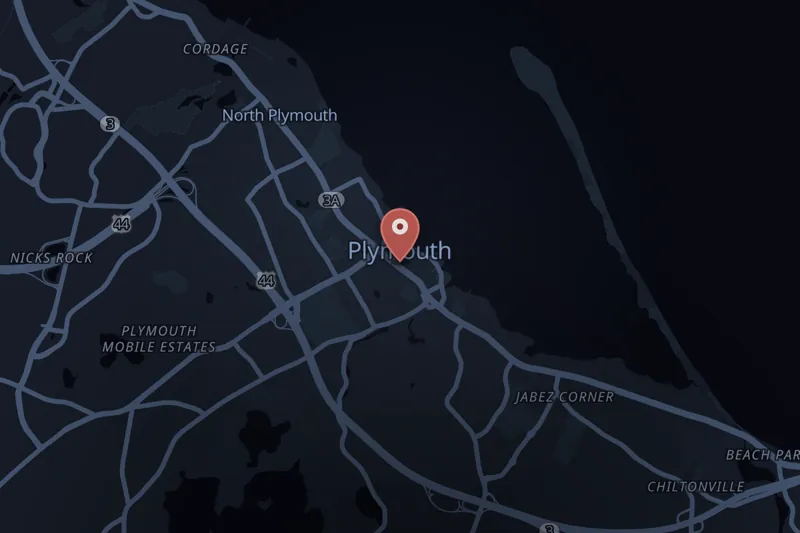
The trial of Peach, Jackson, and Stinnings took place on September 4, 1638, in Plymouth Colony's meeting house, presided over by Governor Thomas Prence, with a twelve-member all-white jury. Several Narragansett and Wampanoag people, along with Roger Williams, attended the proceedings. Following a one-day trial, all three men were convicted of murder and robbery and executed by hanging later the same day, carried out by Plymouth Colony constable Joshua Pratt.
Historian Tobey Pearl has described the case as significant both for the identity of the victim and for the nature of the proceedings, calling the trial the first jury trial for a charge as serious as murder in the colony. Peach, Jackson, and Stinnings remain the only people of European descent executed for the murder of a Native American person in the history of Plymouth Colony.
In the aftermath, Dorothy Temple, an indentured servant whom Peach had impregnated before fleeing, gave birth to his child and was sentenced to be whipped twice in June 1639, though she was whipped only once after fainting during the first whipping. The Plymouth Court held Stephen Hopkins, Temple's master, financially responsible for her and the child; when Hopkins evicted them from his household, he was briefly imprisoned for contempt of court. Juror John Holmes subsequently purchased the remainder of Temple's indenture contract and agreed to support her and the child. Daniel Cross was never captured; John Winthrop believed he had taken refuge among the Piscataway people. Historians differ on whether the executions reflected a genuine Plymouth Colony commitment to treating Native American victims equally under the law or were primarily a measure to preserve peace with Native American groups amid rising tensions.

 ONGOINGListen