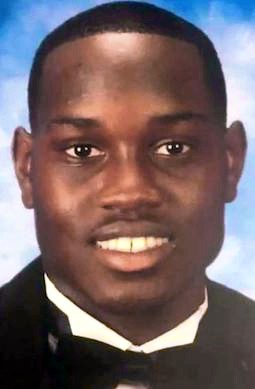
Ruqia Haidari was born in 1999 in Afghanistan to Hazara parents. Her father was killed by the Taliban when she was a month old, and in 2013, amid rising persecution of Hazaras, her mother, Sakina Muhammad Jan, fled with Haidari and her siblings to Pakistan and then to Australia as refugees, settling in Shepparton, Victoria. Haidari attended McGuire College and, like her siblings, learned English and engaged with people outside the local Hazara community, while her mother did not learn English. Jan herself had been forced into marriage as a child, and Haidari's older siblings had arranged marriages. At 15, Haidari also entered an arranged marriage that ended in divorce; she later said she did not wish to remarry until her late twenties, after completing her studies.
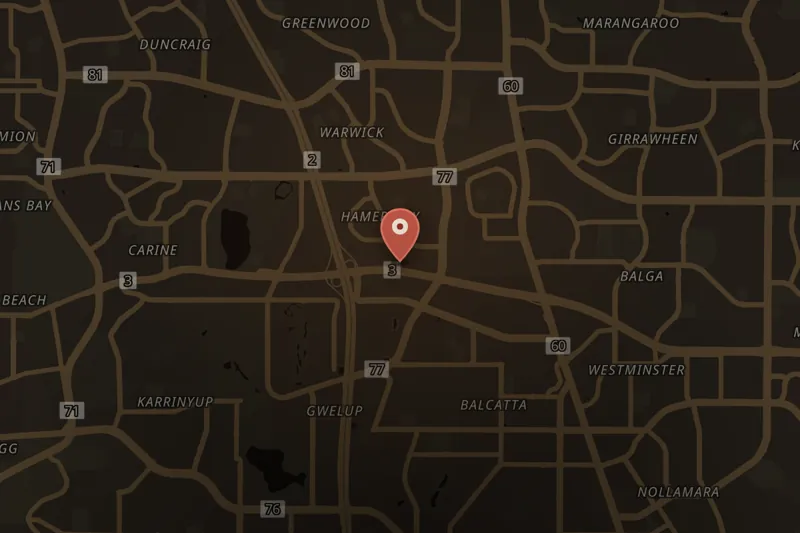
In June 2019, Haidari met Mohammad Ali Halimi, then 25 and living in Balcatta, Western Australia, at a family gathering in Shepparton. She told a friend, a driving instructor and a teacher that she did not want to marry him, and in August 2019 told Australian Federal Police officers she was being forced into the marriage, though she declined further assistance or referral to a refuge. The couple became engaged the day after this police contact and married in November 2019 in Melbourne following an Islamic ceremony, after Halimi paid a dowry of $14,000 AUD. Haidari moved with him to Perth. The marriage was reported as violent and abusive; Haidari refused to consummate it and was made to perform household chores. She reportedly begged relatives not to send her back to Perth during a visit home. Halimi later learned Haidari had asked police whether forced marriage was illegal in Australia.
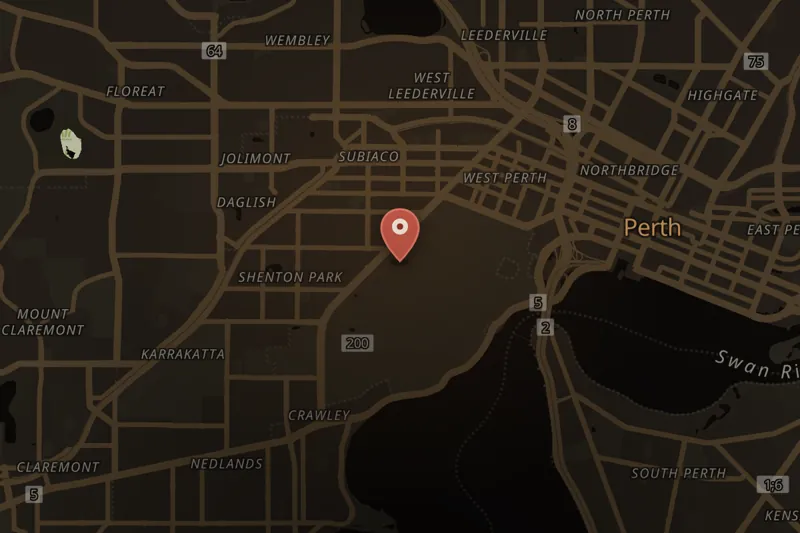
On 18 January 2020, during an argument at their home, Halimi stabbed Haidari twice in the neck with a kitchen knife, severing two arteries. He messaged her brother to collect her body, then drove to a police station in Mirrabooka and confessed. Officers found Haidari dead at the home.
At his 2021 trial in the Supreme Court of Western Australia, Halimi's defense argued he suffered a "complete loss of self-control" linked to trauma from his upbringing in Afghanistan, and he claimed in a prison letter he had not known the marriage was forced. This contradicted his earlier police interview. Justice Bruno Fiannaca rejected this account and found Halimi was motivated by perceiving Haidari as "hostile and disrespectful." In August 2021, Halimi was sentenced to life imprisonment with a minimum non-parole term of 19 years.
Separately, Jan and two others were arrested in October 2020 on charges of coercing Haidari into forced marriage. At her 2024 trial in the Victorian County Court, prosecutors argued Jan acted to restore family reputation after Haidari's earlier divorce and showed no remorse. Jan's defense cited her illiteracy, lack of English, and her own history as a forced-marriage victim. In July 2024, Jan was sentenced to three years' imprisonment, becoming the first person jailed in Australia under its forced marriage laws; the court acknowledged she could not have foreseen Halimi would kill Haidari. Jan lost an appeal against her sentence in March 2025.

 UNSOLVEDListen