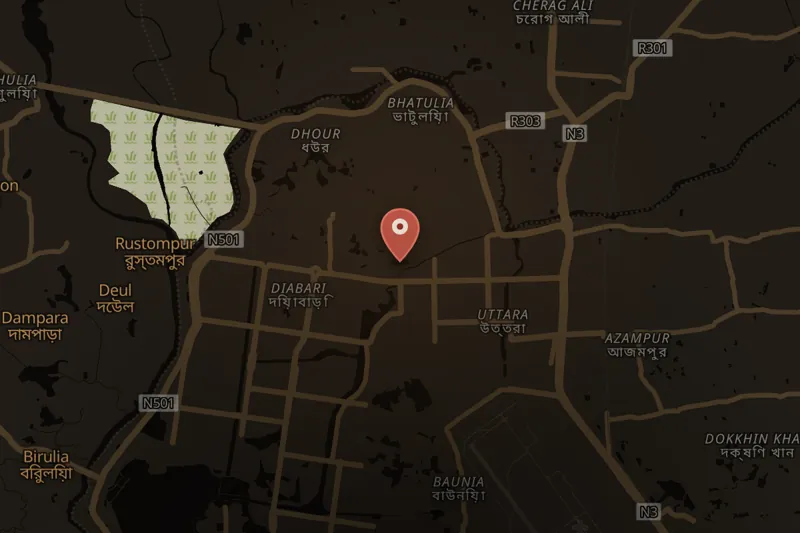
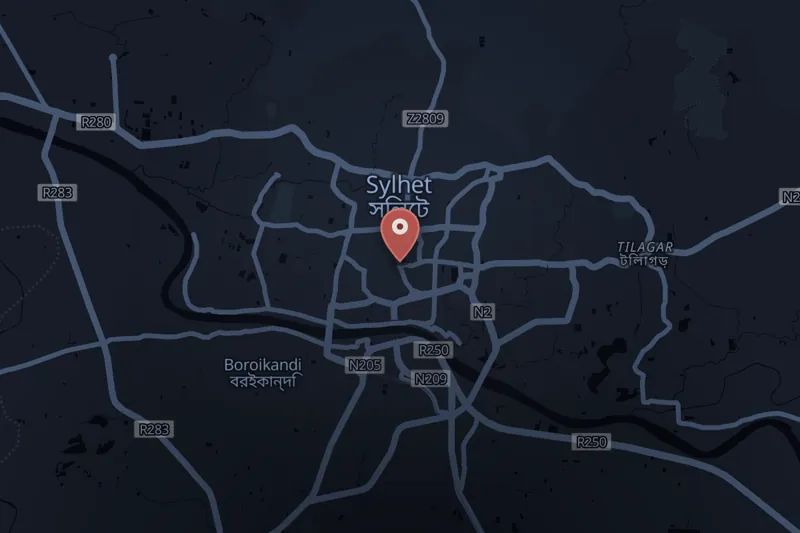
On July 8, 2015, in Sylhet, Bangladesh, 13-year-old Sheikh Mohammad Samiul Alam Rajon was accused by a group of men of stealing a bike. He was subsequently tied up, lashed, tortured, and beaten to death. Local police stated that Rajon died as a result of internal bleeding caused by the assault.
Among those suspected of carrying out the killing was Kamrul Islam, an individual who had previously been deported from Saudi Arabia. Following the killing, Islam fled back to Saudi Arabia. A three-member Bangladeshi police team subsequently coordinated with INTERPOL to locate and capture him there. Another individual, Nur Ahmed, was reported to have filmed the killing and circulated the footage on social media. A 28-minute video of the attack was posted online, which quickly drew widespread public outrage both locally in Sylhet and across Bangladesh.
The public reaction to the killing was significant. A "Justice for Rajon" movement formed, calling for swift justice for those responsible. Petitions seeking to raise funds for Rajon's family circulated, with some receiving more than 11,000 signatures. This public pressure, combined with concern over a series of child murders occurring around the same period, was linked to a comparatively rapid judicial process in the case.
On September 22, 2015, the Court of Sylhet charged thirteen individuals in connection with the killing, on counts including murder and assistance in murder. The individuals charged were Kamrul Islam, Firoz Mia, Shamim Alam, Quamrul Islam, Muhit Alam, Ali Haider, Moyna Mia, Nur Ahmed, Dulal Ahmed, Ayaz Ali, Taz Uddin Badal, Asmat Ali, Pavel Islam, and Ruhul Amin. Kamrul Islam was identified as the prime defendant in the case.
A verdict was announced approximately four months after the killing, with four of the accused sentenced to execution for their roles in Rajon's death. Judge Shahedul Karim, who had ordered the charges against the thirteen accused, requested that Bangladeshi publications release images of three of the accused — Kamrul Islam, Shamim Ahmed, and Pavel Islam — to assist in their identification and capture. Kamrul Islam, who had fled to Saudi Arabia after the killing, was ultimately arrested by police in Jeddah.

 SOLVEDListen