
Start here
STEPHEN LAWRENCE: HOW HIS MURDER CHANGED BRITAIN | MIDWEEK MYSTERY

Georgia Marie's 43-minute breakdown, the fullest single telling on file.
Watch on YouTubeSolved case · 1990s
Also known as Stephen Lawrence · Macpherson Report
 Stephen LawrenceCredit: Via WikipediaEditorial useSource
The short answer
Stephen Lawrence, an 18-year-old Black British student, was fatally stabbed by a group of white youths in a racially motivated attack in Eltham, southeast London, on 22 April 1993. After nearly two decades of failed prosecutions and a landmark public inquiry into police racism, two of the attackers, Gary Dobson and David Norris, were convicted of his murder in January 2012 following new forensic evidence.
STEPHEN LAWRENCE: HOW HIS MURDER CHANGED BRITAIN | MIDWEEK MYSTERYGeorgia Marie · 43 min1 piece from 1 creator: ranked, with duplicates removed and short clips set aside.
Start here
Georgia Marie's 43-minute breakdown, the fullest single telling on file.
Watch on YouTubeTitles and descriptions are the creators’ own and may not reflect current legal status. The sourced facts are in the file below. Players load only when you press play. Suggest coverage we’re missing.
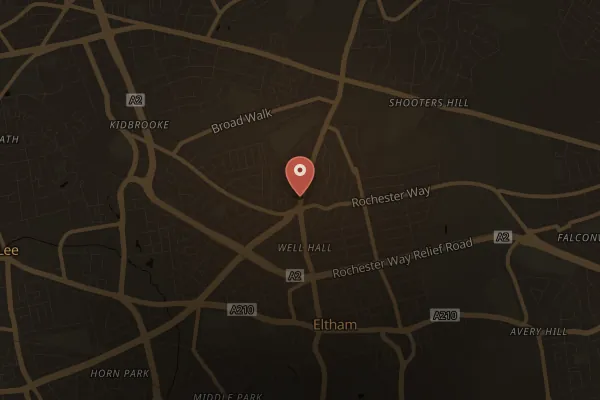
Background and attack. Stephen Adrian Lawrence was born on 13 September 1974 in Greenwich to Jamaican-born parents, Neville and Doreen Lawrence. He was a student at Blackheath Bluecoat School and Woolwich College, hoping to become an architect. On the evening of 22 April 1993, Lawrence and his friend Duwayne Brooks were waiting at a bus stop on Well Hall Road in Eltham when a group of six white youths crossed the road and attacked them. Lawrence was stabbed twice, severing both axillary arteries and puncturing a lung. He ran roughly 130 yards before collapsing and bled to death; he was pronounced dead at Brook General Hospital shortly after 11:00 pm.
Initial investigation and failed prosecutions. Within days, residents and an anonymous note identified five local suspects: Gary Dobson, brothers Neil and Jamie Acourt, Luke Knight, and David Norris. Arrests did not occur until more than two weeks after the killing, and murder charges against two suspects were dropped in July 1993 for insufficient evidence. In 1994, Lawrence's family launched a private prosecution against three of the suspects; in April 1996 all three were acquitted after the trial judge ruled that identification evidence from Duwayne Brooks was unreliable. An inquest in February 1997 returned a verdict of unlawful killing in an unprovoked racist attack by five white youths.
Macpherson Inquiry. In 1997, then-Home Secretary Jack Straw ordered a public inquiry led by Sir William Macpherson. Its 1999 report found the original Metropolitan Police investigation had been incompetent and that the force was "institutionally racist," citing failures such as not administering first aid at the scene and not pursuing obvious leads. The report made 70 recommendations, including repeal of the double jeopardy rule in murder cases, later enacted via the Criminal Justice Act 2003.
Cold case review and 2012 convictions. A secret cold case review beginning in 2006, led by forensic scientist Angela Gallop, uncovered a microscopic bloodstain from Lawrence on Dobson's jacket and fibres and hairs linked to Lawrence on clothing belonging to Norris and Dobson. In 2010, Dobson and Norris were arrested and charged, and in 2011 the Court of Appeal quashed Dobson's earlier acquittal, permitting a retrial. On 3 January 2012, a jury at the Central Criminal Court found Dobson and Norris guilty of murder. As they had been juveniles at the time of the offence, they received minimum terms of 15 years 2 months and 14 years 3 months respectively, described by the sentencing judge as reflecting a "terrible and evil crime."
Subsequent developments. Allegations of police corruption and undercover surveillance of the Lawrence family surfaced over the following years, including a 2013 Guardian interview with former undercover officer Peter Francis, prompting an independent review by Mark Ellison QC published in 2014 and described by the Metropolitan Police Commissioner as "devastating." In March 2025, Norris admitted for the first time that he had been involved in the killing, saying he had punched Lawrence, though he declined to name accomplices. In December 2025, the Parole Board denied his release or transfer to a lower-category prison, citing continuing risk to the public.
Stephen Lawrence, an 18-year-old student, was fatally stabbed in a racially motivated attack at a bus stop in Eltham, southeast London, on 22 April 1993. The initial Metropolitan Police investigation secured no conviction, and a 1996 private prosecution brought by his family collapsed when the trial judge ruled the identification evidence unreliable. A public inquiry led by Sir William Macpherson reported in 1999 that the force had been "institutionally racist" and made 70 recommendations, among them repeal of the double jeopardy rule in murder cases, later enacted in the Criminal Justice Act 2003. A cold-case forensic review recovered microscopic traces linking two suspects to Lawrence, and in January 2012 Gary Dobson and David Norris were convicted of his murder. Only two of those originally identified have ever been convicted, and questions about police conduct continued to surface for more than two decades.
The 2012 convictions rested on a cold-case forensic review begun in 2006, which recovered a microscopic bloodstain attributed to Lawrence on Gary Dobson's jacket, along with fibres and hair linked to Lawrence on clothing retained from the original 1993 inquiry. Because Dobson had been acquitted in the 1996 private prosecution, his retrial became possible only after the double jeopardy rule was changed and the Court of Appeal quashed that acquittal in 2011.
The 1997 inquest and the original inquiry described a group of attackers, but only two people have ever been convicted; the full membership of that group has never been established in court, and the men acquitted in 1996 retain that status. The extent of alleged police corruption and undercover surveillance of the Lawrence family, examined in the 2014 review by Mark Ellison QC after a former officer's 2013 account, has not been fully resolved.
The case reshaped policing and criminal law in England and Wales: the Macpherson Report's finding of institutional racism drove wide changes in how forces record and investigate racist crime, and its recommendation led to repeal of the double jeopardy rule in murder cases. For Stephen Lawrence's family, those reforms followed nearly two decades of pressing for an accountability the original investigation had not delivered.
Select a moment to place it on the map and light up the source behind it.
4 located events on this case. Browse them in the timeline list; selecting an event moves the map to its place and highlights its source.
Victims first. Every legal label is set from public records and court outcomes, not from the prose.
18-year-old student fatally stabbed in a racially motivated attack on 22 April 1993.[3]
Convicted of murder on 3 January 2012; admitted involvement in March 2025 and said he punched Lawrence.[3]
Convicted of murder on 3 January 2012 after an earlier acquittal was quashed; previously acquitted in a 1996 private prosecution.[3]
Charged in the 1994 private prosecution but charges were dropped before trial for lack of evidence.[3]
Charged with murder in 1993; charge dropped in July 1993; acquitted of murder in the 1996 private prosecution.[3]
Acquitted of murder in the 1996 private prosecution; later convicted separately in 2002 of racially aggravated harassment.[3]
From the record
Coverage is not a source: every fact in this file rests on the records below.
Jul 11, 2026Source review
Editorial-depth addendum added (the record in sixty seconds; what the investigation turned on; what remains disputed; why this file matters) — a synthesis of the dossier's existing cited record, no new factual claims.
Are you family of someone named in this file? Corrections and removal requests from victims’ families are prioritized.
 SOLVEDListen
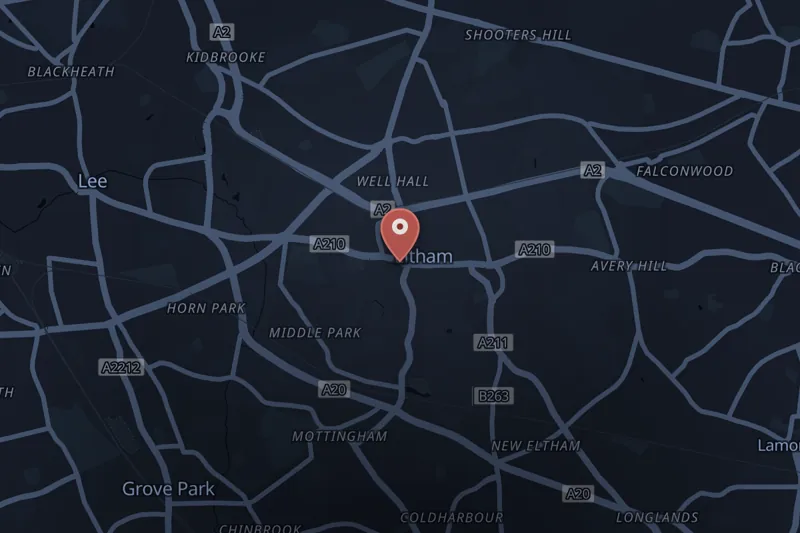
Well Hall Road, Eltham, London · 1990s
Rohit Duggal, a 16-year-old British Asian boy, was fatally stabbed by a gang of white youths in Eltham, south-east London, in July 1992 in an attack widely described as racially motivated. Peter Thompson was convicted of his murder and sentenced to life imprisonment in 1993.
 Credit: Published/released to media by family of Sabina NessaEditorial useSourceSOLVEDListen
Cator Park, Kidbrooke, Greenwich, London · 2020s
Sabina Nessa, a 28-year-old primary school teacher, was beaten and strangled while walking through Cator Park in Kidbrooke, Greenwich, on 17 September 2021; Koci Selamaj pleaded guilty to her murder in February 2022 and was sentenced to life imprisonment with a minimum term of 36 years in April 2022.
Wellington Street, Woolwich, London · 2010s
On 22 May 2013, off-duty British Army soldier Fusilier Lee Rigby was run down by a car and then stabbed and hacked to death by Michael Adebolajo and Michael Adebowale near the Royal Artillery Barracks in Woolwich, southeast London. Both men were convicted of murder in December 2013 and sentenced to life imprisonment in February 2014.
 Credit: KAIDENBEARD10CC BY-SA 4.0SourceSOLVEDListen
New Strand Shopping Centre area, Bootle, Merseyside · 1990s
In February 1993, two-year-old James Bulger was abducted from a Bootle shopping centre by two 10-year-old boys, Robert Thompson and Jon Venables, who tortured and killed him before leaving his body on a railway line. Both were convicted of murder later that year, becoming the youngest convicted murderers in modern British history, and were released on life licence in 2001 after serving eight years.
 Credit: Family handout via Suffolk NewsEditorial useSourceCOLDListen
Bury St Edmunds, Suffolk, England · 2016
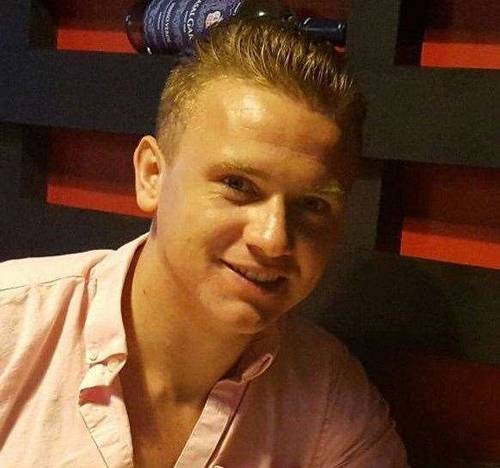
Royal Air Force gunner Corrie McKeague disappeared after a night out in Bury St Edmunds in September 2016, and a 2022 inquest concluded he died after climbing into a waste bin that was tipped into a bin lorry, though his remains were never found.
 Credit: UnknownEditorial useSourceUNSOLVEDListen
Pimlico, London, England · 2010
Gareth Williams, a GCHQ mathematician on secondment to MI6, was found dead padlocked inside a bag in his London flat in August 2010; a coroner ruled the death unnatural and likely criminally mediated, but no one has been charged and a Metropolitan Police re-investigation later called it probably an accident.
Credit: Family handout via Suffolk NewsEditorial useSourceCOLDListenBury St Edmunds, Suffolk, England · 2016
Royal Air Force gunner Corrie McKeague disappeared after a night out in Bury St Edmunds in September 2016, and a 2022 inquest concluded he died after climbing into a waste bin that was tipped into a bin lorry, though his remains were never found.
El Pianista trail, near Boquete, Panama · 2014
Two Dutch students, Kris Kremers and Lisanne Froon, disappeared while hiking a jungle trail in Panama in April 2014, and their remains were recovered along a riverbank months later, but no official cause of death has ever been established.
 Credit: Argonne National Laboratory / Wikimedia Commons, c.1922–23Public domainSourceSOLVEDListen
Orange, New Jersey · 1917
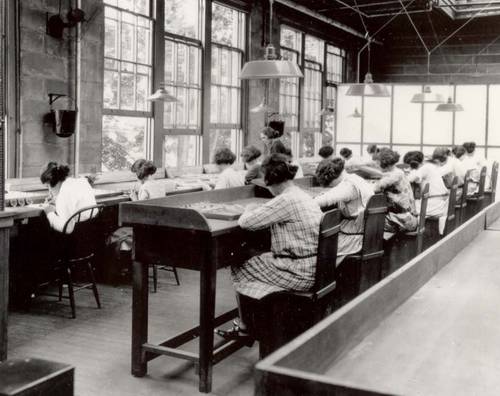
Beginning in 1917, factory workers who came to be known as the Radium Girls were poisoned after being instructed to shape radium-paint brushes with their lips; the resulting illnesses, deaths, and lawsuits against the United States Radium Corporation and the Radium Dial Company reshaped U.S. occupational health and labor law.

