Case file
Putumayo genocide

The Putumayo genocide refers to the mass enslavement, torture, and killing of Indigenous peoples—including the Huitoto, Bora, Andoque, Ocaina, Nonuya, Muinane, and Resígaro nations—in the Putumayo region of the Amazon during the rubber boom that began in 1879. The exploitation intensified as South American entrepreneurs pushed into uncolonised Amazon territory in search of rubber, following earlier expeditions such as Rafael Reyes's 1874 search for cinchona (quinine bark). Reyes's own memoir documented pre-existing human trafficking of Indigenous captives along the Putumayo River, describing conditions comparable to the African slave trade.
Colombian rubber patrons, including Crisóstomo Hernández and Benjamin Larrañaga, established the first rubber stations and workforce systems in the region from the mid-1880s, using warfare, debt bondage, and violence against local tribes, including a documented 1897-era massacre of the Uruhuai Huitoto people ordered by Hernández. Julio César Arana entered the Putumayo rubber trade from Iquitos in 1896 and progressively bought out or forced out Colombian competitors, including the Larrañaga and Calderón family enterprises, consolidating control through debt, imprisonment, and alleged poisoning (Benjamin Larrañaga died in 1903, reportedly from arsenic poisoning). Arana's companies—first J.C. Arana y Hermanos, then from 1907 the London-listed Peruvian Amazon Company—expanded operations along the Igara Paraná, Cara Paraná, and Cahuinari river tributaries.
Under company administrators including Armando Normand, Elías Martinengui, Andrés O'Donnell, and members of the Rodríguez family, the workforce was subjected to flogging, starvation, mutilation, immolation, and execution for failing to meet rubber quotas. The company also trained Indigenous men, called "muchachos de confianza," as enforcers and executioners against their own communities. Slave raids known as "correrias" were used to capture or kill natives and replenish the workforce; these raids are documented as continuing at least through 1910. Company employees profited from commissions tied to rubber output, which investigators including Roger Casement identified as a central driver of the violence.
Documented incidents include the September 1903 flogging, shooting, and burning of an estimated 25 to 40 Ocaina people at La Chorrera, allegedly instigated by Rafael Larrañaga and Victor Macedo, and a reported 1906 order by Macedo to kill mutilated Indigenous people at La Chorrera. Eyewitness accounts compiled by journalist Benjamin Saldaña Rocca, explorer Walter Ernest Hardenburg, and British diplomat Roger Casement brought the atrocities to international attention, leading to 215 arrest warrants issued in June 1911 against Peruvian Amazon Company employees for "a multiplicity of murders and tortures." Despite this, the company continued operating, and between 1924 and 1930 at least 6,719 Indigenous people were forcibly relocated from their traditional territory by the enterprise's successors, with roughly half dying from disease and related causes. An estimated 90 percent of the targeted Amazonian Indigenous populations were destroyed. The case remains, per the source material, of major historical significance but relatively little known.

Key facts
- Victims
- On file
- Date
- 1879
- Location
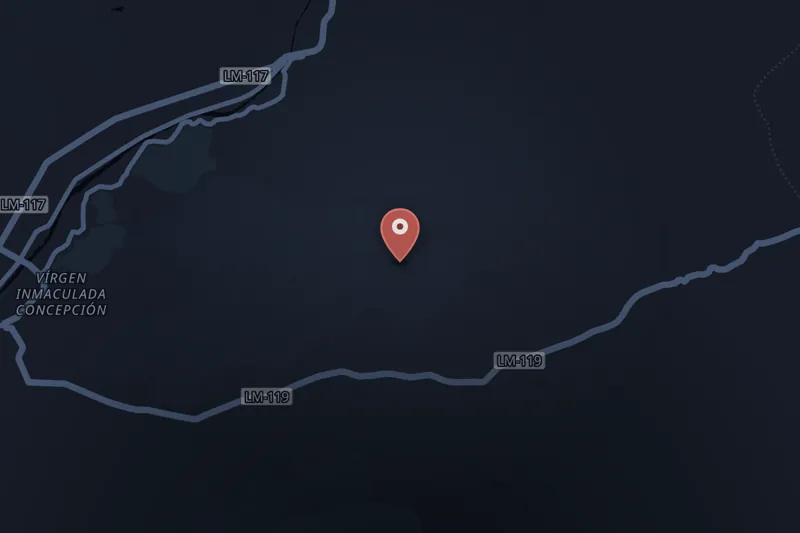
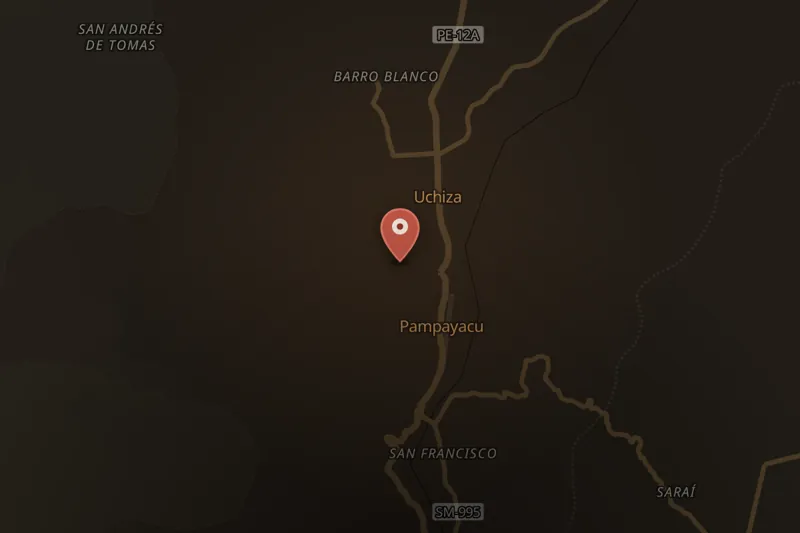
- Putumayo River basin, Amazon region (Peru/Colombia border area)
- Case status
- solved
Case timeline
1874
Rafael Reyes leads an early expedition into the Putumayo River basin in search of cinchona (quinine-producing) plants.
1879
The Amazon rubber boom begins, spurring exploration and occupation of uncolonised Amazon territory.
1884
Reyes's company, which he said had curtailed human trafficking in Colombian Putumayo territory, goes into liquidation.
1886
Crisóstomo Hernández and Benjamin Larrañaga lay the foundations of Colombian rubber settlements along the Caraparaná and Igaraparaná rivers, according to Roger Casement.
1896
Julio César Arana expands his trading business in Iquitos and begins trading with Colombian rubber patrons in the Putumayo.
1901-07
Rafael Tobar, Cecilio Plata, and Aquiléo Torres are imprisoned aboard the steamship Putumayo and later sent to prison in Iquitos amid Arana's expansion.
1902
Arana forms Larrañaga, Arana y compañia with Benjamin Larrañaga; the Peruvian government establishes a garrison at La Chorrera.
1903
Emilio Gutierrez and dozens of companions are killed by Indigenous people during an expedition into the Caqueta; reprisals against local Indigenous people follow.
1903-09
An estimated 25 to 40 Ocaina people are flogged, shot, and burned at La Chorrera, allegedly instigated by Rafael Larrañaga and Victor Macedo.
1903-12-21
Benjamin Larrañaga dies, reportedly showing symptoms of arsenic poisoning.
1904-04-08
"Arana, Vega y Larrañaga" is formally registered in Iquitos, consolidating Arana's control over former Larrañaga assets.
1904-11-17
An expedition of Barbadian laborers departs La Chorrera to establish the Matanzas rubber station under Armando Normand.
1905-07
The Calderón brothers sell the El Encanto estate, with roughly 3,500 Huitoto workers, to Arana's enterprise.
1906
Victor Macedo, manager at La Chorrera, is reported to have ordered the killing of mutilated Indigenous people at the station.
1907-09-06
The Peruvian Amazon Company is registered in London as successor to J.C. Arana y Hermanos.
1910
Roger Casement investigates conditions in the Putumayo and the Peruvian Amazon Company's records; correrias (slave raids) continue at least into this year.
1911-04-07
A Peruvian judge issues twenty-two arrest warrants over the 1903 massacre of Ocaina people at La Chorrera.
1911-06
215 arrest warrants are issued against Peruvian Amazon Company employees, mainly from La Chorrera's agency, for murders and tortures of Indigenous people.
1924
Beginning of forced emigrations of Indigenous people from the Putumayo River basin by administrators of Arana's enterprise, continuing to 1930.
Best coverage
No approved coverage links are attached yet.
People
Victor Macedo
CHARGEDManager at La Chorrera accused of instigating the 1903 Ocaina massacre and, in 1906, of ordering the killing of mutilated Indigenous laborers.
Andrés O'Donnell
CHARGEDManager of the Entre Rios station accused, per a 1907 letter to Benjamin Saldaña Rocca, of ordering the killing of over five hundred Indigenous people; named among figures implicated in the 1911 arrest warrants.
Rafael Larrañaga
CHARGEDAccused of instigating the September 1903 massacre of Ocaina people at La Chorrera and a separate 1903 massacre of Puineses and Renuicuese people; subject of 1911 arrest warrants.
Armando Normand
CHARGEDManager of the Matanzas rubber station named among the main figures of the Peruvian Amazon Company implicated in mass starvation, torture, and killings; subject of 1911 arrest warrants.
Elías Martinengui
CHARGEDManager of the Atenas plantation (1903–1909) described as having systematically worked and starved the local Indigenous population to death; named among figures implicated in the 1911 arrest warrants.
Benjamín Larrañaga
CHARGEDColombian rubber patron who, with Arana's enterprise, is described as having enslaved the Indigenous population and subjected them to brutality; died in 1903, reportedly of arsenic poisoning.
Julio César Arana
CHARGEDPeruvian rubber baron whose enterprises (J.C. Arana y Hermanos, later the Peruvian Amazon Company) were identified as primarily responsible for the enslavement and mass killing of Indigenous people in the Putumayo; company employees were subject to 215 arrest warrants issued in 1911.
Roles reflect public records and court outcomes at the time of writing — supporting citations are on file under Sources.
Places
Common questions
- What happened to the victim?
- Between 1879 and 1911, the rubber enterprise of Peruvian businessman Julio César Arana and associated Colombian and Peruvian rubber patrons enslaved and killed Indigenous people of the Putumayo River basin, destroying an estimated nine in ten members of the targeted Amazonian populations.
- Where did the crime happen?
- Putumayo River basin, Amazon region (Peru/Colombia border area).
- What is the current status of the case?
- Status: solved.
Sources
- Putumayo genocidewikipedia · Wikipedia · 2026-07-07
- Contemporaneous coverage — Putumayo/Casa Arana rubber genocidenews · BBC News · 2026-07-07
- Imaginario: imágenes de la época del caucho y los sucesos del Putumayonews · iwgia.org · 2026-07-07