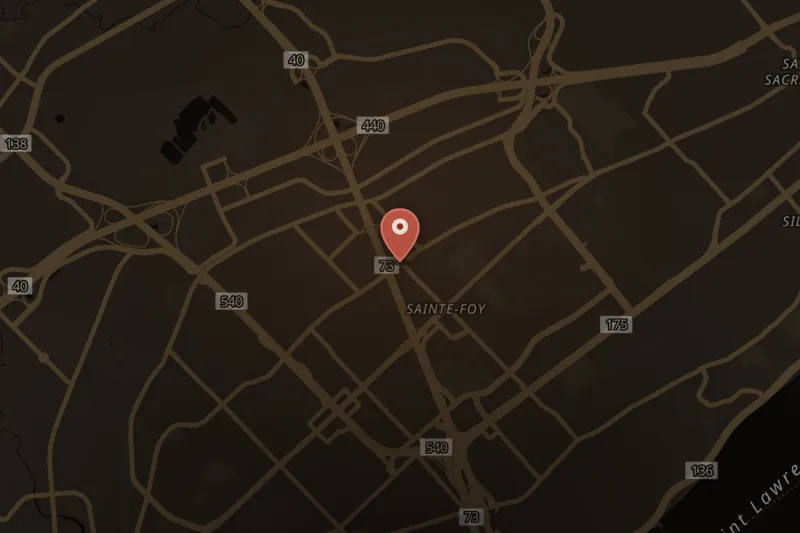
On the evening of January 29, 2017, a lone gunman attacked worshippers at the Islamic Cultural Centre of Quebec City (Grande Mosquée de Québec) in the Sainte-Foy neighbourhood, shortly before 8:00 p.m., just after evening prayers had concluded. Approximately 40 people were present. The attacker fired a 9mm Glock 17 Gen 5 semi-automatic pistol for about two minutes, killing six people and seriously injuring five others, before fleeing the scene.
The six men killed were Ibrahima Barry (39), Mamadou Tanou Barry (42), Khaled Belkacemi (60), Aboubaker Thabti (44), Abdelkrim Hassane (41), and Azzeddine Soufiane (57). Soufiane, a local grocer, was fatally shot after rushing and grappling with the gunman, an act credited with saving other lives; he was posthumously awarded the Star of Courage. Aymen Derbali, who was shot multiple times after attempting to draw the shooter's attention away from others, survived but was left paralyzed and was later awarded the Medal of Bravery, along with Said Akjour, Mohamed Khabar, and Hakim Chambaz for their own actions during the attack.
The perpetrator, 27-year-old Alexandre Bissonnette, a Université Laval student and former army cadet, surrendered to police later that night near the Île d'Orléans Bridge after calling 911. He was charged the following day with six counts of first-degree murder and six counts of attempted murder. Investigators and acquaintances described Bissonnette as holding far-right, white nationalist, and anti-Muslim views, and noted his fascination with mass shooters, including Dylann Roof, perpetrator of the Charleston church shooting. In the weeks before the attack he frequently visited far-right social media accounts and anti-refugee and Islamophobic websites. He told police he was motivated in part by Prime Minister Justin Trudeau's statements welcoming refugees affected by U.S. immigration policy.
Although Canadian and Quebec political leaders publicly characterized the attack as terrorism, Bissonnette was not charged under the Criminal Code's terrorism provisions, a decision that Canadian legal experts attributed to the requirement to prove collaboration with a terrorist group. This decision was criticized by Canadian Muslim organizations.
Bissonnette initially pleaded not guilty on March 24, 2018, before changing his plea to guilty on all charges on March 28, 2018. On February 8, 2019, he was sentenced to life imprisonment with no possibility of parole for 40 years. On appeal, the Quebec Court of Appeal ruled in November 2020 that the 40-year parole ineligibility period violated the Charter of Rights and Freedoms' protection against cruel and unusual punishment, reducing it to 25 years. The Supreme Court of Canada upheld this reduced sentence on May 27, 2022, in R v Bissonnette, meaning Bissonnette will be eligible to apply for parole in 2042.
The attack prompted nationwide vigils, government commitments to increase security at religious buildings, and broader public discussion of Islamophobia and right-wing extremism in Canada. The fourth anniversary of the shooting was later designated by the federal government as a national day of remembrance and action against Islamophobia. A paramedic who responded to the scene, Andréanne Leblanc, died by suicide in March 2018, an event widely linked by observers to trauma from the incident and cited in discussions of mental health supports for first responders.


 SOLVEDListen