Skip to content
Casepin

Solved case · 1615

Slaying of the Basques

Also known as Spánverjavígin · Baskavígin

SOLVED
Updated
Updated Jul 7, 2026
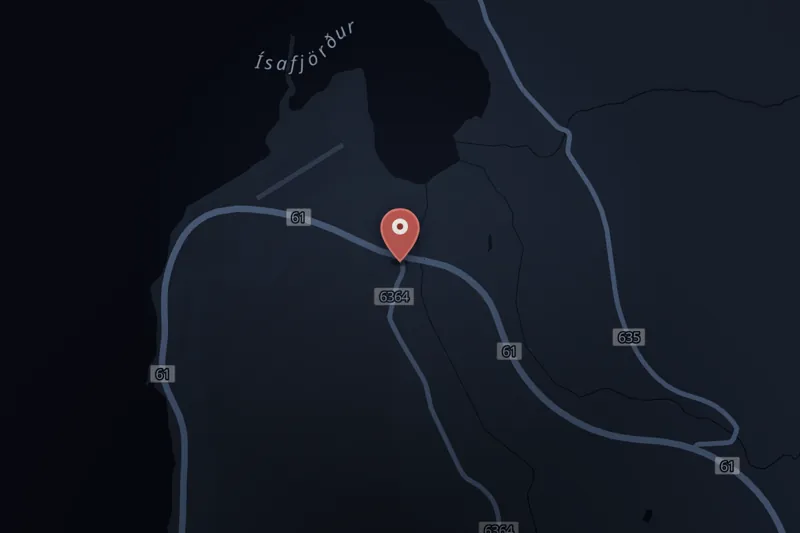
Westfjords, IcelandView on the map

The short answer

Slaying of the Basques in brief

In 1615, following a shipwreck, dispute, and theft, at least 32 Basque whalers were killed by armed groups in Iceland's Westfjords under a decree from local sheriff Ari Magnússon — the last documented massacre in Icelandic history.

Key facts

Year
1615
Place
Westfjords, Iceland
Status
SOLVEDSolved
Victims
García and Martín de Villafranca
Outcome
No conviction on file

The coverage index

Where to watch & listen

No one's coverage is attached to this file yet.

Know great coverage of this case?

A documentary, a podcast episode, a careful long-form video. Suggest it and an editor will review it before it appears here.

Suggest coverage for Slaying of the Basques

The case file

What happened

In the early seventeenth century, Basque whalers who had pioneered large-scale whaling in Newfoundland extended their expeditions to Iceland. In 1615, a year marked by severe ice conditions and heavy livestock losses in Iceland, three Basque whaling vessels arrived at Reykjarfjörður in the Westfjords during midsummer. The Icelanders and the Basque crews initially maintained a mutually beneficial arrangement. However, when the ships prepared to depart in late September, a severe gale destroyed all three vessels on the rocks. Most of the roughly 80 crew members survived the wreck.

Two of the captains, Pedro de Aguirre and Esteban de Telleria, wintered at Vatneyri in Patreksfjörður and departed for home the following year without further incident. The crew of a third ship, commanded by Captain Martín de Villafranca, split into groups that traveled to Ísafjarðardjúp, Bolungarvík, and Þingeyri.

Conflict arose after a group of Basque sailors entered an empty merchant's house at Þingeyri and took dried fish. In retaliation, on the night of 5 October 1615, a group of Icelanders attacked the hut where the Basques were sleeping, killing 14 of them; only one man, García, escaped. The bodies were mutilated and submerged in water. Contemporary writer Jón Guðmundsson the Learned recorded the killings as a dishonoring of the dead. Three days later, Ari Magnússon, the local sheriff, convened a council at Súðavík, where twelve judges declared the surviving Basques outlaws.

On 13 October 1615, a further 18 Basques were killed at Æðey and Sandeyri in Ísafjarðardjúp while fishing, by men under the command of Ari Magnússon. According to Jón Guðmundsson's account, the victims' bodies were mutilated. Captain Martín de Villafranca, whose family had a history in Newfoundland whaling, was wounded and attempted to escape by sea but was stoned in the water, dragged ashore, and killed. In total, an estimated 32 Basque whalers were killed across the two incidents, following verdicts issued by Ari Magnússon in October 1615 and January 1616 that invoked the Icelandic law book of 1281 to justify the killings.

Jón Guðmundsson the Learned later wrote a critical account, "A True Account of Spanish Men's Shipwrecks and Slayings," condemning the sheriff's decision and describing the killings as unjust; he stated he fled south to Snæfellsnes rather than take part in further attacks.

In April 2015, four hundred years after the massacre, a descendant of one victim, Xabier Irujo, together with Magnús Rafnsson — a descendant of one of the perpetrators — erected a memorial stele at Hólmavík. The ceremony was attended by regional officials from both Iceland and the Basque Country, and the Westfjords district commissioner formally revoked Ari Magnússon's 1615 decree.

6 dated entries · 1615–2015

Timeline

  1. Three Basque whaling ships are destroyed by a gale near Reykjarfjörður, Westfjords, Iceland, as they prepared to depart; most of the roughly 80 crew members survive.

  2. A group of Icelanders kill 14 Basque sailors in their sleep at Þingeyri in retaliation for the theft of dried fish; only one survivor, García, escapes.

  3. Sheriff Ari Magnússon convenes a council at Súðavík; twelve judges declare the surviving Basques outlaws.

  4. A further 18 Basques, including Captain Martín de Villafranca, are killed at Æðey and Sandeyri in Ísafjarðardjúp by men commanded by Ari Magnússon.

  5. Ari Magnússon issues a second verdict regarding the killings.

  6. A memorial stele is erected at Hólmavík by descendants of a victim and a perpetrator, and the 1615 decree is formally revoked by the Westfjords district commissioner.

4 named in this file

People

Victims first. Every legal label is set from public records and court outcomes, not from the prose.

  • García

    VICTIM

    Sole survivor of the 5 October 1615 killing of 14 Basque sailors at Þingeyri.[3]

  • Martín de Villafranca

    VICTIM

    Basque ship captain from San Sebastián, killed on 13 October 1615 at Ísafjarðardjúp after being wounded, stoned, and tortured to death.[3]

  • Ari Magnússon

    LAW ENFORCEMENT

    Sheriff of Ögur, Ísafjarðardjúp, who convened the council declaring the Basques outlaws and commanded the troops that killed 18 Basques on 13 October 1615; issued verdicts in October 1615 and January 1616 justifying the killings.[3]

  • Jón Guðmundsson the Learned

    LAW ENFORCEMENT

    Contemporary Icelandic writer who documented and criticized the killings in "A True Account of Spanish Men's Shipwrecks and Slayings" and refused to participate in the attacks.[3]

3 cited

Sources

Coverage is not a source: every fact in this file rests on the records below.

  • 1 Official / agency
  • 1 Press
  • 1 Encyclopedic
  1. Contemporaneous coverage — blogs.loc.gov

    Official / agencyblogs.loc.govAccessed Jul 7, 2026

  2. Contemporaneous coverage — The Guardian

    PressThe GuardianAccessed Jul 7, 2026

  3. Slaying of the Basques

    EncyclopedicWikipediaAccessed Jul 7, 2026

Trust

Record history

First published
Jul 7, 2026
Corrections
None

Are you family of someone named in this file? Corrections and removal requests from victims’ families are prioritized.