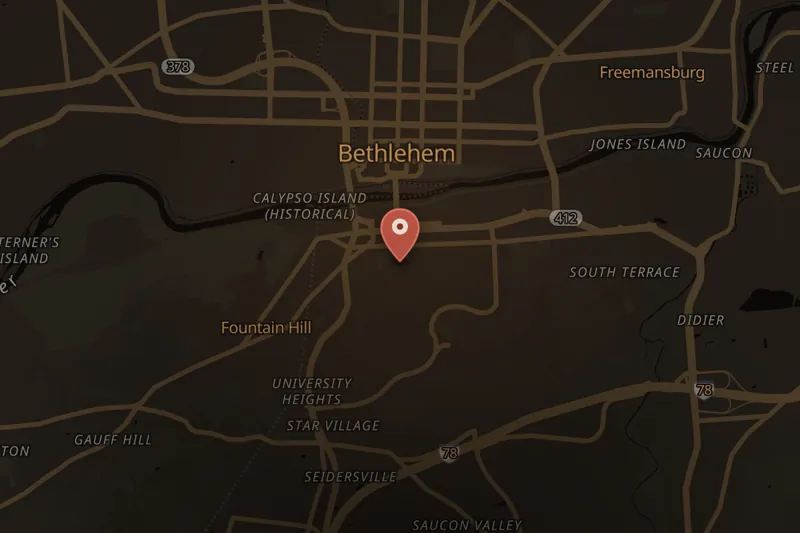
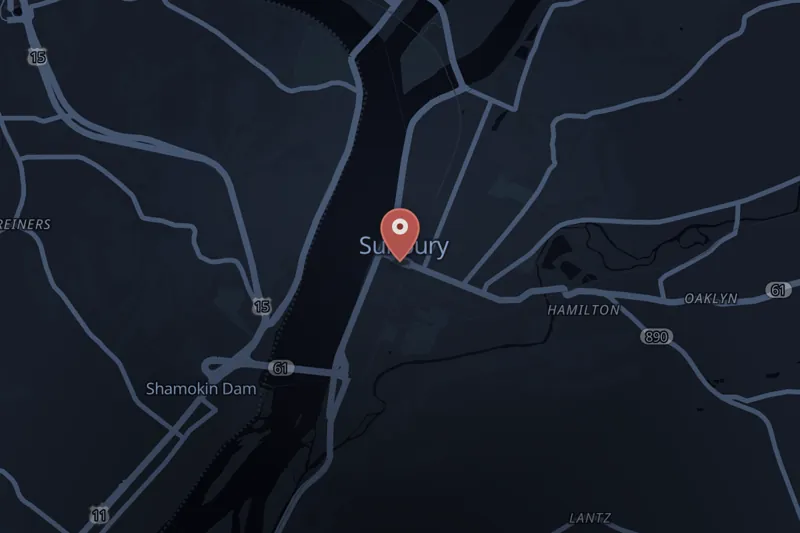
The Sugarloaf massacre was a skirmish that took place on September 11, 1780, in Sugarloaf Valley in what was then southwestern Luzerne County, Pennsylvania. A detachment of 41 militiamen from Captain Johannes Van Etten's company, led by Lieutenants John Moyer and John Fish, had been sent from Fort Allen in early September 1780 to investigate reported Loyalist activity in the Bloomsburg and Catawissa communities, which were known to have large numbers of Loyalist sympathizers during the American Revolutionary War.
The attack occurred against a backdrop of escalating violence in the region. Earlier in 1780, a force of approximately 250 to 300 Native warriors and Loyalist soldiers had attacked Fort Rice near Chillisquaque Creek on September 6, prompting a militia response from Colonel Hunter's forces at Fort Jenkins. After being repelled, the attacking force burned Fort Jenkins and nearby buildings before crossing the Susquehanna River into Sugarloaf Valley.
According to survivor Peter Crum, the militia detachment had just sat down for a meal on September 11 when Loyalist and Native forces opened fire with muskets. Lieutenant Colonel Stephen Balliet, who led a burial party of approximately 150 men to the site six days later, reported finding ten soldiers dead, scalped, stripped, and mutilated. Balliet's report also noted that his men believed they had killed several of the attacking Native warriors during a skirmish while burying the dead.
Most militiamen escaped the attack, but Lieutenant John Moyer, an Ensign Scoby, and an unnamed private were taken prisoner. Moyer later escaped and reached Fort Wyoming on September 14, while the other two captives were taken to Niagara. The attacking force reportedly moved their prisoners along Nescopeck Creek toward the Susquehanna River before turning toward Berwick and Catawissa.
The precise number of militiamen killed remains disputed among historical sources. Balliet's contemporaneous count of ten is considered the most reliable by County Lieutenant Samuel Rea. Captain Van Etten's later muster return listed 14 killed, though at least three of those men are documented in later militia records and pension files as having survived. A commonly cited figure of 15 dead, reflected on a memorial plaque at the site, is not supported by surviving evidence.
A memorial was constructed near the massacre site in 1933 by the Pennsylvania Historical Commission, the Wyoming Historical and Genealogical Society, and the Sugarloaf Commemorative Committee, and a state historical marker was installed on Pennsylvania Route 93 near Conyngham in 1947. Historians have also disputed claims that a Captain Daniel Klader commanded the detachment, with researcher Thomas Verenna finding no documentary evidence placing such a person at the scene.

 SOLVEDListen