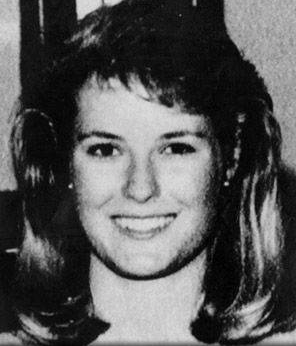
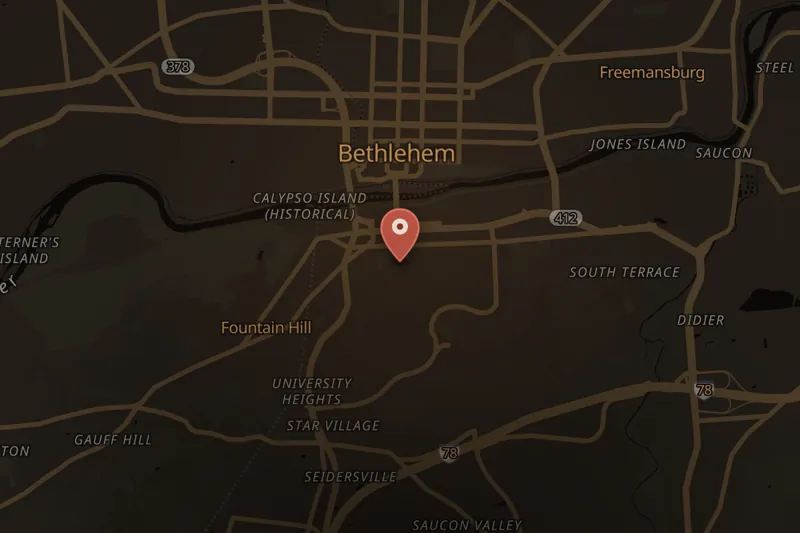
On April 5, 1986, Jeanne Clery, a freshman at Lehigh University in Bethlehem, Pennsylvania, was raped and murdered in her dormitory room in Stoughton Hall. Clery was awakened by Josoph M. Henry, a fellow Lehigh University student, while he was burglarizing her room. Henry then beat, kicked, cut, raped, sodomized, bit, and strangled her. Prior to the murder, there had been 181 reports of auto-locking doors being propped open on campus, and Henry is believed to have gained entry to Clery's room through a door that had been left unlocked in anticipation of her roommate's return.
Henry confessed to the murder to friends, which led to his being reported to police and apprehended. In 1988, he was convicted of murdering and raping Clery and was sentenced to death by electric chair, a sentence upheld on appeal by the Supreme Court of Pennsylvania. Witness testimony at trial quoted Henry as saying "he hates whites" and dismissing his crime as "nothing." The sentencing judge emphasized the extreme cruelty of the prolonged torture, rape, and murder of the victim. In 2002, after his death sentence was overturned, Henry agreed to drop all further appeals in exchange for a sentence of life imprisonment without parole. He is reported to be serving that sentence at the State Correctional Institution – Dallas in Jackson Township, Pennsylvania.
Following their daughter's death, Clery's parents, Connie and Howard, became convinced that the murder resulted from inadequate security at Lehigh University and that the university had failed to disclose a rapidly escalating campus crime rate. Lehigh's vice president at the time, John Smeaton, stated that the university's security measures were "more than adequate, reasonable and appropriate" for the setting. The Clerys sued the university, asserting that 37 violent crimes had occurred on campus in the three years prior to Jeanne's murder and that disclosure of this record might have influenced her decision to attend; they were awarded $2 million in the suit. The Clerys also founded the nonprofit organization Security On Campus, Inc., later renamed the Clery Center for Security On Campus.
The advocacy campaign led by Clery's parents culminated in the 1990 passage of the Jeanne Clery Disclosure of Campus Security Policy and Campus Crime Statistics Act, commonly known as the Clery Act, a federal law codified at 20 U.S.C. § 1092(f). The law requires colleges and universities participating in federal financial aid programs to disclose campus crime statistics, issue timely warnings of safety threats, and publish an Annual Campus Security Report. Compliance is monitored by the U.S. Department of Education, which can impose civil penalties and suspend institutions from federal financial aid programs for violations. Since its enactment, at least three universities — Eastern Michigan University, Pennsylvania State University, and Virginia Tech — have been found in violation of the Act in connection with separate, later incidents.

 Credit: Ibn JuferiCC BY 4.0SourceSOLVEDListen