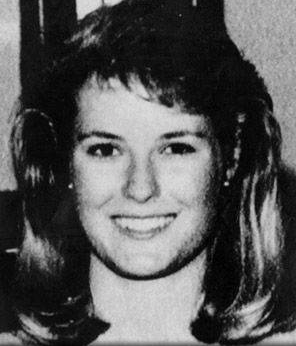
Isma'il Raji al-Faruqi, a professor of religion at Temple University and prominent Islamic scholar, and his wife Lois Lamya al-Faruqi, an art historian and ethnomusicologist, were killed on May 27, 1986, at their home in Wyncote, Pennsylvania. Their daughter, Anmar el-Zein, who was eight months pregnant at the time, survived multiple stab wounds requiring 200 stitches and was able to alert authorities. She described the attacker as a stocky man wearing a black scarf tied in a "cowboy-robber" style.
Isma'il al-Faruqi had returned home around 11:00 p.m. on May 26, 1986, after attending an iftar meal with the local Muslim Students Association chapter. In the early morning of May 27, he and his wife were found with multiple stab wounds; his body was in the bedroom and hers at the foot of the stairs. A 15-inch survival-type knife found near his body was identified as the murder weapon. The Cheltenham Township Police Department led the investigation with FBI assistance due to al-Faruqi's prominence. Early theories considered political motives tied to al-Faruqi's outspoken views on the Israeli-Palestinian conflict and his association with the American-Arab Anti-Discrimination Committee, as well as personal vendettas.
In January 1987, Joseph Louis Young, also known as Yusuf Ali, was identified as the primary suspect after a fingerprint match on a bloody surgical glove found at the scene. A stolen 1986 Grey Honda Accord LX with bloodstains further linked Young to the crime. Detectives had received an anonymous tip suggesting they compare crime-scene fingerprints with Young's. Young, who knew the al-Faruqi family through the Islamic community at Temple University, confessed to Philadelphia detectives and repeated the confession before Montgomery County police. According to a police source, Young indicated the killing may have been religiously or politically motivated, believing al-Faruqi was "not doing the right thing for the Muslim religion," and that he had planned the attack for some time.
At trial, beginning in July 1987, prosecutors presented Young's fingerprints on the glove, forensic matches of blood and hair, and testimony from Anmar el-Zein. In a recorded confession, Young described purchasing the knife at a flea market, scouting the residence beforehand, entering through a pantry window while wearing surgical gloves, and attacking Lois Lamya al-Faruqi after she screamed, then Isma'il al-Faruqi and their daughter. Isma'il al-Faruqi sustained 15 stab wounds; Lois Lamya al-Faruqi suffered seven. Young's defense argued mental illness stemming from childhood trauma and suggested a coerced confession and possible accomplices, but prosecution psychiatrists testified he did not meet the legal standard for insanity.
On July 10, 1987, a jury convicted Young of two counts of first-degree murder, attempted murder, burglary, criminal trespass, and aggravated assault, and later sentenced him to death on each murder count. An appeal upheld the convictions but required resentencing due to instructional issues; in 1990 a new sentencing hearing again resulted in a death sentence. Young died of natural causes in prison in 1996 before execution. The precise motive for the killings was never conclusively established. Nearly 4,000 mourners attended the funeral service at Masjid Muhammad in West Philadelphia, and the couple was buried at Forest Hills Cemetery in Lower Moreland Township, Pennsylvania.


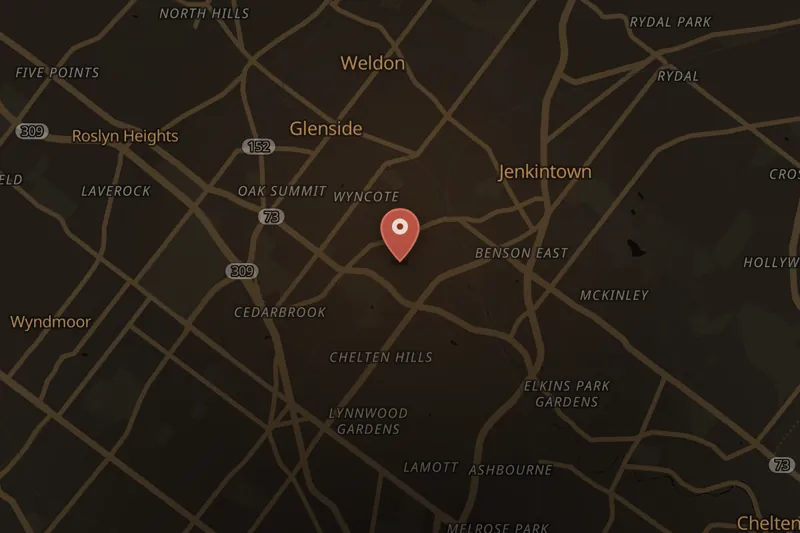
 Credit: Unknown author Unknown authorPublic domainSourceUNSOLVEDListen