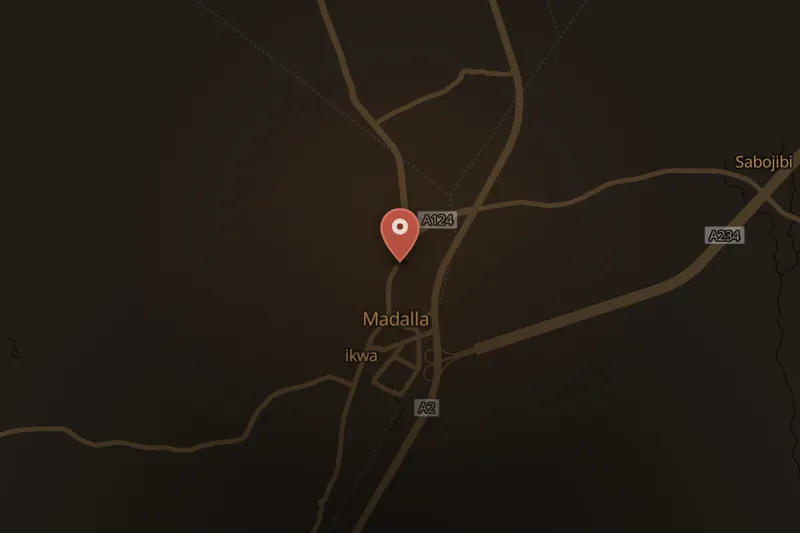
On the night of January 3, 2020, at approximately 11:15 pm, suspected Fulani militants attacked the town of Tawari in Kogi State, Nigeria. Around a hundred attackers burned down several houses, a church, and the palace of the town's traditional leader, Alhaji Yahya Idris Tawari, known as the Aguma of Tawari. The final death toll from the attack was twenty-nine people.
The attack occurred against a backdrop of longstanding tension in Nigeria between traditionally nomadic Fulani pastoralists and settled farming communities, compounded by religious differences, as Fulani communities are predominantly Muslim while some farming groups are Christian or animist. In the period before the attack, Nigerian security agencies killed four herdsmen suspected of kidnapping along the Lokoja-Abuja highway, acting on a tip from a Tawari resident. Other herdsmen reportedly vowed revenge against the town. The Aguma of Tawari stated that herdsmen had lived peacefully within the community until they left en masse in the days preceding the attack.
During the raid, notable community members, including clerics, were specifically targeted. A survivor described that in her father's home, women were removed from the premises while men were killed. She stated that the attackers were heard speaking Hausa. Among the structures damaged was a historic clinic that had been established by missionaries during the colonial era.
An investigation by the Nigerian Tribune identified two individuals killed in the attack: ward chair Ibrahim Simbabi and Imam Mallam Zakari Salihu, both described as having been targeted by the herdsmen. Of those killed, twenty were identified as belonging to the Bassa ethnic group and three as Gbagyi. Several other people, including police officers, were injured during the attack.
In the aftermath, Nigerian President Muhammadu Buhari expressed condolences over the killings. Kogi State Governor Yahaya Bello called for calm among residents of Tawari. Muhammad Osuku, an administrator overseeing Kogi's local government areas, described the killings as "wicked and heartless" after touring the affected area.
The case remains without a confirmed resolution as described in the available material.

 SOLVEDListen