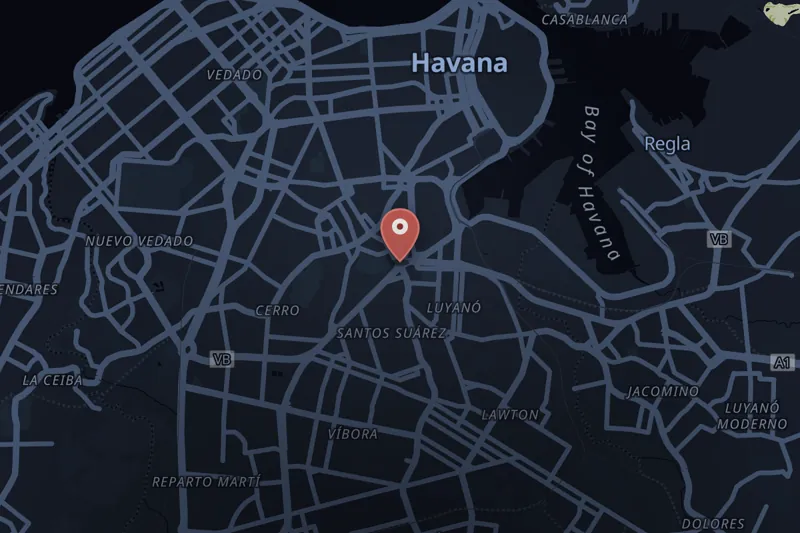
In 1843 and 1844, colonial Cuba experienced a series of slave revolts and a subsequent government crackdown that became known as the Conspiración de La Escalera, or "Year of the Lash" (Año del Cuero). The term references 29 June 1844, when a firing squad in Havana executed accused leaders of an alleged slave revolt and abolitionist movement, and more broadly describes the harsh reprisals carried out against Afro-Cubans, both enslaved and free, across western Cuba that year.
Nineteenth-century Cuba's plantation economy, centered on sugar production in the west-central region, was built on systemic violence against enslaved laborers. In March, May, and November 1843, slave revolts occurred on the island. In December 1843, an enslaved woman, Polonia Gangá, reportedly informed her owner of an impending uprising, an act described as marking the start of authorities' efforts to suppress the conspiracy.
Two enslaved women of the Lucumí nation, Fermina and Carlota, are remembered as leaders of the November 1843 uprising at the Triunvirato and Ácana estates. Fermina, who worked in the fields at Ácana, had reportedly escaped earlier in 1843 and was later whipped and shackled for months before a major uprising occurred on 5 November 1843. Testimony from multiple enslaved witnesses described Fermina directing other rebels to the locations of estate residents and encouraging attacks on white plantation staff; Fermina herself denied involvement, stating she had been in her cabin and later hid in a cane field. Carlota was accused by witnesses of attacking the overseer's daughter with a machete during the uprising; she was found dead the morning after.
Following the revolts, Cuban captain general Leopoldo O'Donnell ordered an investigation that involved torture of suspects and the arrest of alleged organizers. The crackdown spread through much of western Cuba during 1844. More than four thousand people were arrested; accounts describe thousands of free and enslaved people of color as having been executed, banished, imprisoned, or "disappeared" before the investigation concluded. Free people of color made up nearly half of those sentenced to death. Fermina, aged twenty-four, was among eight accused leaders executed by firing squad; her body was burned afterward, and other enslaved people from the estate were made to witness the execution. The poet Gabriel de la Concepción Valdés, known as Plácido, a free mulatto, was among the most prominent people sentenced to death. The British consul to Cuba, David Turnbull, previously expelled from the island, was convicted in absentia as an alleged organizer of the conspiracy.
Historians have long debated whether the conspiracy was a genuine, organized revolt or largely a fabrication used by Spanish colonial authorities to justify repression of abolitionists and the Afro-Cuban population; current scholarship broadly agrees that some form of revolt was planned. The events have been the subject of historical works including Robert L. Paquette's *Sugar Is Made with Blood* and Aisha Finch's *Rethinking Slave Rebellion in Cuba*, and are referenced in Cuban literature, including Cirilo Villaverde's *Cecilia Valdés* and Gertrudis Gómez de Avellaneda's writings.

 SOLVEDListen