

The digital trail
Trials that turned on phone masts, CCTV, and search histories — the electronic traces almost everyone now leaves.
Every phone call pings a mast; every journey passes a camera; every search is logged. As that infrastructure spread, it began to appear in courtrooms — not as a single dramatic clue, but as a timeline the accused could not talk their way out of.
Two of the cases here, Danielle Jones and Jenny Nicholl, ended in murder convictions with no body ever found, built substantially on what mobile phones had recorded. In others, cameras traced a route, or a defendant's own searches undid a cover story.
The evidence is mundane by design. That is precisely what makes it hard to fake and hard to dispute.
7 stops, in order
 Danielle Jones Photo — Credit: Linda Jones, mother of DanielleEditorial useSource
No body found; phone-mast data and a text's authorship secured a conviction.
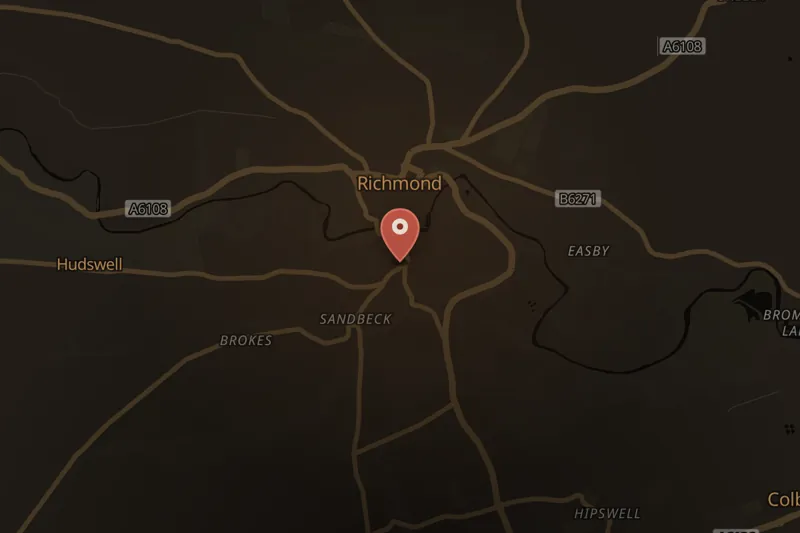 SOLVED AudioMurder of Jenny NichollRichmond, North Yorkshire, England · 2005 · 1 thing to watch or hear
Texts sent from her phone after she vanished were traced and shown to be fake.
CCTV of a dehydrator's disposal and digital records helped convict Erin Patterson.
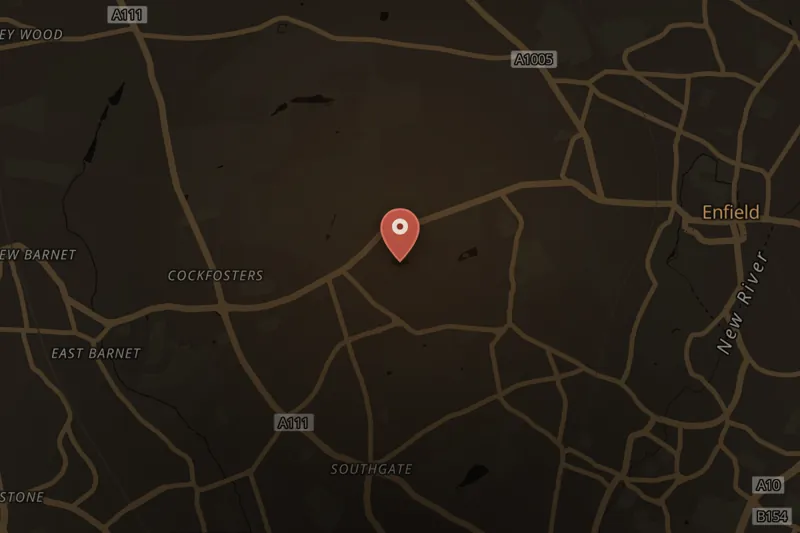 SOLVED AudioMurder of Jeffrey HoweSouthgate, London (murder location); remains scattered across Hertfordshire and Leicestershire · 2008
CCTV and number-plate cameras tracked the movements that solved the case.
 Auckland CBD aerial 2016 (cropped) — Credit: Unknown authorCC0SourceSOLVED AudioMurder of Grace MillaneAuckland, New Zealand (body found in Waitākere Ranges) · 2010s · 3 to watch & hear
CCTV and the killer's own internet searches were central to the case.
 SOLVED AudioMurder of Sydney LoofeWilber, Nebraska (case location; body found near Edgar, Nebraska) · 2010s · 3 to watch & hear
Cell-tower data tracked the phones and mapped her final movements.
Mobile-phone data and CCTV placed the events that led to a quick conviction.