

The family-tree cases
Investigations reopened when crime-scene DNA was matched, through distant relatives, to a name.
By the 2010s, hundreds of thousands of people had uploaded their DNA to public genealogy databases to trace their ancestry. Investigators realized those family trees could be read in reverse: a profile built from crime-scene evidence, compared against the databases, points to cousins, and patient genealogy narrows millions of possibilities to a single household.
The 2018 arrest in the Golden State Killer case brought the method to public attention. The files here trace how it has since resolved cases that conventional DNA databases never could — several of them decades old, several in which the victim's family had waited a lifetime for a name.
The technique produces a lead, not a verdict. Every case here still proceeded to conventional evidence and the courts. What changed was that a cold trail suddenly had a direction.
6 stops, in order
 Joseph James DeAngelo — Credit: Santa Barbara County Sheriff’s OfficePublic domainSourceSOLVED AudioCalifornia serial murders, sexual assaults, and burglaries (1974–1986)Sacramento, California (crimes spanned multiple California counties) · 1970s · 13 to watch & hear
Forensic genetic genealogy on a GEDmatch upload led to DeAngelo's 2018 identification.
 Michelle Martinko — Credit: English WikipediaEditorial useSourceSOLVED AudioMurder of Michelle MartinkoWestdale Mall parking lot, Cedar Rapids, Iowa · 1979 · 3 to watch & hear
A 2018 GEDmatch match to a distant cousin identified her killer, 39 years on.
 April Tinsley case map — Credit: Federal Bureau of InvestigationPublic domainSource
Parabon and GEDmatch narrowed the suspect pool to two brothers, 30 years later.
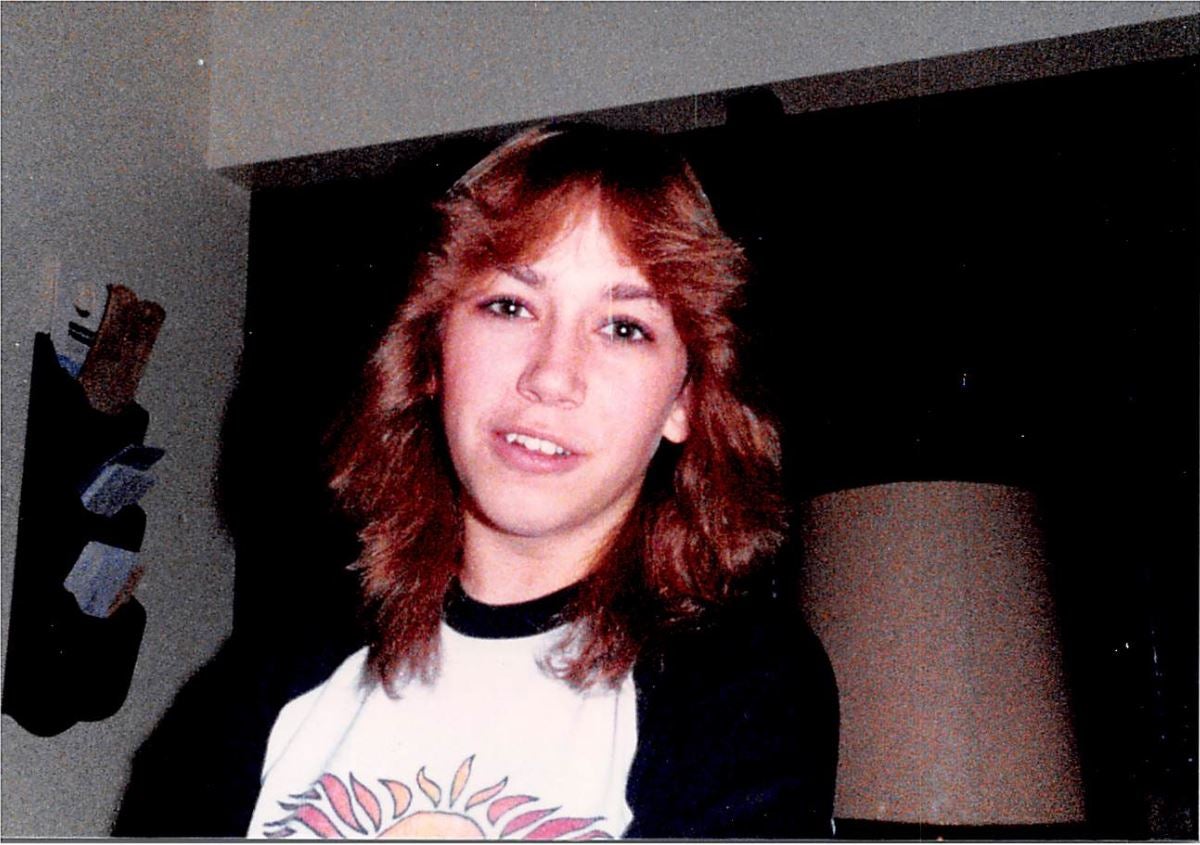 Traci Hammerberg — Credit: Ozaukee County Sheriff's Office (via Wisconsin Public Radio)Editorial useSourceSOLVED AudioMurder of Traci HammerbergGrafton, Wisconsin (body recovery site); attack occurred along Wisconsin Highway 33 between Port Washington and Grafton · 1984 · 1 thing to watch or hear
Investigators searched genealogy databases from a crime-scene profile, 35 years on.
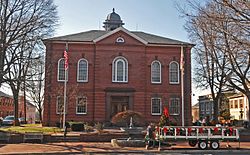 BEL AIR COURTHOUSE HISTORIC DISTRICT, HARFORD COUNTY — Credit: Jerrye & Roy Klotz, MDCC BY-SA 3.0SourceSOLVED AudioMurder of Rachel MorinMa and Pa Trail, Bel Air, Maryland · 2020s · 1 thing to watch or hear
A genetic-genealogy lead identified the suspect within a year of the killing.
 Madison Mogen, Kaylee Goncalves, Ethan Chapin, and Xana Kernodle — Credit: Family/Instagram photograph, widely distributed in press coverageEditorial useSource
Genealogy plus ancestral DNA databases identified a relative, then the suspect.