Skip to content
Casepin

Solved case · 1885

1885 hangings at Battleford

SOLVEDCONVICTED
Updated
Updated Jul 7, 2026
The Tombstone of the Battleford EightThe Tombstone of the Battleford EightCredit: SaskgCC BY-SA 4.0Source

The short answer

1885 hangings at Battleford in brief

On November 27, 1885, eight Indigenous men were hanged at Battleford after being convicted of murders committed during the Frog Lake Massacre and the Looting of Battleford, events tied to the North-West Rebellion.

Key facts

Year
1885
Place
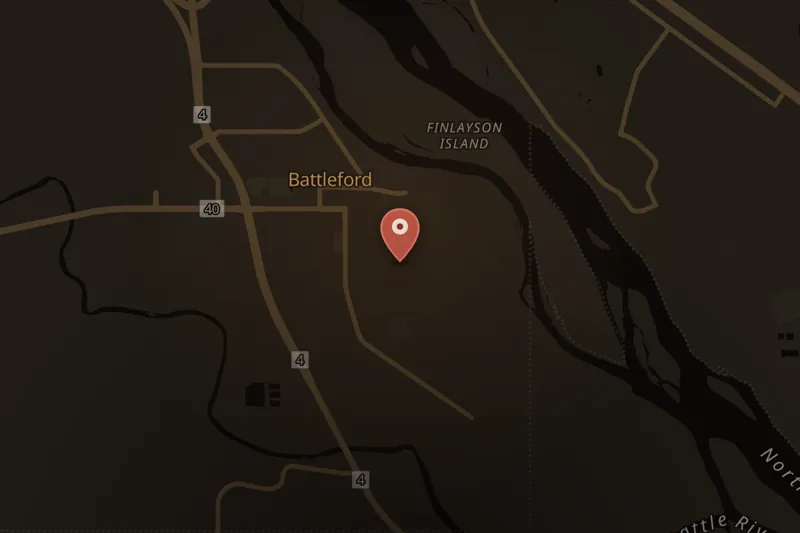
Mass grave site near Fort Battleford, Town of Battleford
Status
SOLVEDSolved
Victims
Charles Govin, Léon Fafard, Barney Tremont, Thomas Trueman Quinn and George Dill
Outcome
Convicted: Louison Mongrain, Waywahnitch (Man Without Blood), Dressy Man, Pah Pah-Me-Kee-Sick (Round the Sky), Charlebois, A-Pis-Chas-Koos (Little Bear), Kah-Paypamahchukways (Wandering Spirit), Nahpase (Iron Body), Kit-Ahwah-Ke-Ni (Miserable Man), Itka (Crooked Leg) and Manchoose (Bad Arrow)

The coverage index

Where to watch & listen

No one's coverage is attached to this file yet.

Know great coverage of this case?

A documentary, a podcast episode, a careful long-form video. Suggest it and an editor will review it before it appears here.

Suggest coverage for 1885 hangings at Battleford

The case file

What happened

On November 27, 1885, eight Indigenous men were executed by hanging at Battleford in what is now Saskatchewan, Canada, following convictions for murders connected to the North-West Rebellion of 1885. Six of the men were convicted in connection with the Frog Lake Massacre, and two were convicted for murders committed during the Looting of Battleford. These killings occurred outside the direct military combat of the rebellion itself.

The Frog Lake Massacre began before dawn on April 2, 1885, when a party of Cree warriors captured Indian Agent Thomas Trueman Quinn at his home. Quinn, described as having treated the Cree with harshness and arrogance and having kept them near starvation, refused to relocate with the warriors and was shot dead by a man known as Wandering Spirit. In the panic that followed, eight other settler prisoners were killed. Hudson's Bay Company employee William Bleasdell Cameron, who later wrote an account of the events, was present and had his life spared; he later testified against Wandering Spirit and others at trial.

After the rebellion ended with the capture of Batoche, participants were arrested and brought to Battleford for trial before Stipendiary Magistrate Charles Rouleau. Wandering Spirit pleaded guilty on September 22, 1885, and was sentenced to hang. Rouleau also presided over the trials of five other men connected to Frog Lake and two men connected to the Looting of Battleford, sentencing all to death. Rouleau was himself a Battleford resident who suffered significant property loss during the looting, including the burning of his house, and was reported by the Saskatchewan Herald to have said that "every Indian and Half-breed and rebel" brought before him after the rebellion would be sent to the gallows "if possible." A formal complaint (a "memorial") was sent to the Department of Justice alleging Rouleau was too personally involved to judge impartially, but his rulings were not overturned. The Cree-speaking defendants were not provided with translation during the trials. Rouleau also sentenced three other men — convicted in separate matters, including the killing of a woman feared to have become a wehtigo and the killing of an NWMP officer — to death, but those three sentences were later commuted.

The eight men executed on November 27, 1885, were Kah-Paypamahchukways (Wandering Spirit), Pah Pah-Me-Kee-Sick (Round the Sky), Manchoose (Bad Arrow), Kit-Ahwah-Ke-Ni (Miserable Man), Nahpase (Iron Body), A-Pis-Chas-Koos (Little Bear), Itka (Crooked Leg), and Waywahnitch (Man Without Blood). Witness accounts state the men went to the scaffold singing war songs, though one account notes Wandering Spirit instead hummed a song to his wife. Students from the Battleford Industrial School were brought to witness the hangings as a "warning." The men were buried in a mass grave near the fort that went unmarked until it was rediscovered by students in 1972; the site has since been marked with a headstone and interpretive panel, and is remembered annually with a ceremony around National Indigenous Peoples Day.

6 dated entries · 1885–2022

Timeline

  1. Cree warriors capture Indian Agent Thomas Trueman Quinn at Frog Lake; he is shot dead by Wandering Spirit, and eight other settler prisoners are killed in the panic that follows (Frog Lake Massacre).

  2. Wandering Spirit pleads guilty before Stipendiary Magistrate Charles Rouleau and is sentenced to hang.

  3. Eight Indigenous men are hanged at Battleford for murders committed during the Frog Lake Massacre and the Looting of Battleford.

  4. The mass grave near Fort Battleford is rediscovered by students following old plans of the fort.

  5. A pipe ceremony and feast are held to remember the eight hanged men, described as an annual event around National Indigenous Peoples Day.
  6. The Dreadnoughts release a song titled 'Battleford 1885' referencing the hangings; artist Kent Monkman completes a related painting, Compositional Study for The Going Away Song.

17 named in this file

People

Victims first. Every legal label is set from public records and court outcomes, not from the prose.

  • Barney Tremont

    VICTIM

    Rancher near Battleford, killed during the Looting of Battleford.[3]

  • Charles Govin

    VICTIM

    Interpreter for Thomas Quinn, killed during the Frog Lake Massacre.[3]

  • George Dill

    VICTIM

    Free trader killed during the Frog Lake Massacre.[3]

  • Léon Fafard

    VICTIM

    Priest of the Oblates of Mary Immaculate killed during the Frog Lake Massacre.[3]

  • Thomas Trueman Quinn

    VICTIM

    Indian Agent shot dead at Frog Lake on April 2, 1885.[3]

  • A-Pis-Chas-Koos (Little Bear)

    CONVICTED

    Convicted of the murder of George Dill; hanged November 27, 1885. Not to be confused with Little Bear (Imasees), son of Big Bear.[3]

  • Charlebois

    CONVICTED

    Found guilty alongside Dressy Man of the murder of a Native woman feared to have become a wehtigo and sentenced to hang; sentence later commuted.[3]

  • Dressy Man

    CONVICTED

    Found guilty of the murder of a Native woman feared to have become a wehtigo and sentenced to hang; sentence later commuted.[3]

  • Itka (Crooked Leg)

    CONVICTED

    Convicted of the murder of Payne, a farm instructor at the Stoney Reserve south of Battleford; hanged November 27, 1885.[3]

  • Kah-Paypamahchukways (Wandering Spirit)

    CONVICTED

    Convicted of the murder of Indian Agent Thomas Trueman Quinn; pleaded guilty September 22, 1885; hanged November 27, 1885.[3]

  • Kit-Ahwah-Ke-Ni (Miserable Man)

    CONVICTED

    Convicted of the murder of Charles Govin; hanged November 27, 1885.[3]

  • Louison Mongrain

    CONVICTED

    Convicted of the murder of NWMP officer Cowan and sentenced to death by hanging; sentence later commuted.[3]

  • Manchoose (Bad Arrow)

    CONVICTED

    Convicted of the murder of Charles Govin, interpreter for Thomas Quinn; hanged November 27, 1885.[3]

  • Nahpase (Iron Body)

    CONVICTED

    Convicted of the murder of George Dill, a free trader; hanged November 27, 1885.[3]

  • Pah Pah-Me-Kee-Sick (Round the Sky)

    CONVICTED

    Convicted of the murder of Léon Fafard, an Oblates of Mary Immaculate priest; hanged November 27, 1885.[3]

  • Waywahnitch (Man Without Blood)

    CONVICTED

    Convicted of the murder of Barney Tremont, a rancher near Battleford; hanged November 27, 1885.[3]

  • Charles Rouleau

    LAW ENFORCEMENT

    Stipendiary Magistrate who presided over the trials and sentenced the men to death; faced allegations of bias due to personal losses during the Looting of Battleford.[3]

From the record

Quick answers

Who were convicted?
Louison Mongrain: Convicted of the murder of NWMP officer Cowan and sentenced to death by hanging; sentence later commuted. Waywahnitch (Man Without Blood): Convicted of the murder of Barney Tremont, a rancher near Battleford; hanged November 27, 1885. Dressy Man: Found guilty of the murder of a Native woman feared to have become a wehtigo and sentenced to hang; sentence later commuted. Pah Pah-Me-Kee-Sick (Round the Sky): Convicted of the murder of Léon Fafard, an Oblates of Mary Immaculate priest; hanged November 27, 1885. Charlebois: Found guilty alongside Dressy Man of the murder of a Native woman feared to have become a wehtigo and sentenced to hang; sentence later commuted. A-Pis-Chas-Koos (Little Bear): Convicted of the murder of George Dill; hanged November 27, 1885. Not to be confused with Little Bear (Imasees), son of Big Bear. Kah-Paypamahchukways (Wandering Spirit): Convicted of the murder of Indian Agent Thomas Trueman Quinn; pleaded guilty September 22, 1885; hanged November 27, 1885. Nahpase (Iron Body): Convicted of the murder of George Dill, a free trader; hanged November 27, 1885. Kit-Ahwah-Ke-Ni (Miserable Man): Convicted of the murder of Charles Govin; hanged November 27, 1885. Itka (Crooked Leg): Convicted of the murder of Payne, a farm instructor at the Stoney Reserve south of Battleford; hanged November 27, 1885. Manchoose (Bad Arrow): Convicted of the murder of Charles Govin, interpreter for Thomas Quinn; hanged November 27, 1885.

3 cited

Sources

Coverage is not a source: every fact in this file rests on the records below.

  • 2 Press
  • 1 Encyclopedic
  1. Contemporaneous coverage — biographi.ca

    Pressbiographi.caAccessed Jul 7, 2026

  2. Contemporaneous coverage — sicc.sk.ca

    Presssicc.sk.caAccessed Jul 7, 2026

  3. 1885 hangings at Battleford

    EncyclopedicWikipediaAccessed Jul 7, 2026

Trust

Record history

First published
Jul 7, 2026
Last verified against sources
Jul 7, 2026
Corrections
None

Are you family of someone named in this file? Corrections and removal requests from victims’ families are prioritized.