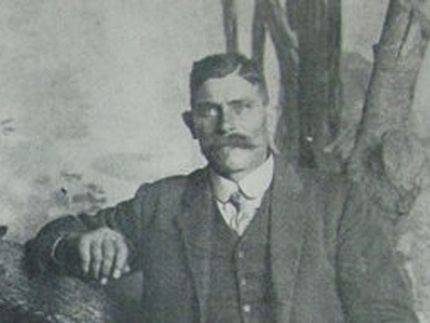
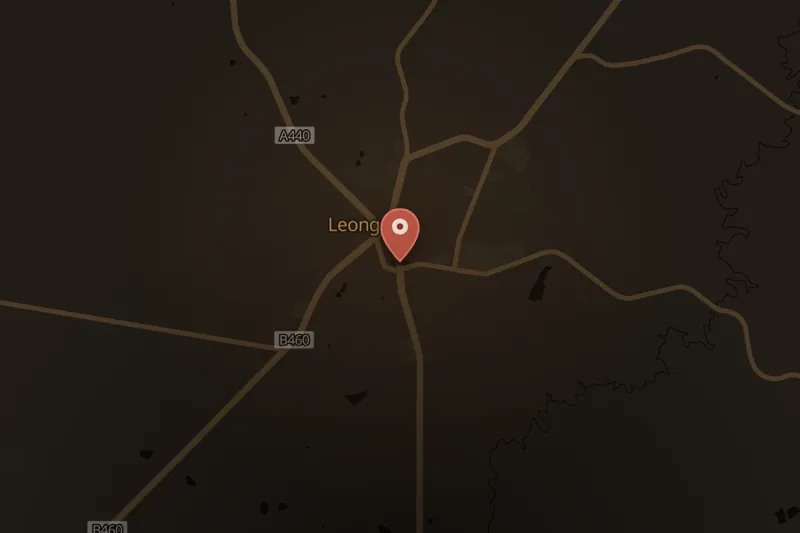
On 21 March 1931, the Avro 618 Ten aircraft Southern Cloud, registered VH-UMF, departed Sydney at 8:10 AM bound for Melbourne, operated by Australian National Airways as part of its daily interstate airline service. The aircraft carried six passengers and two crew members: pilot Travis "Shorty" Shortridge and assistant pilot C.L. Dunnell. Weather conditions along the route were hazardous and significantly worse than had been predicted before departure. The Southern Cloud never arrived in Melbourne and disappeared without a trace.
The six passengers aboard were named as Mr W. O'Reilly of Castlereagh Street, Sydney; Miss C. Stokes of O'Sullivan Road, Rose Bay; Mr Clyde Hood, a producer for Union Theatres from Darlinghurst who was flying to Melbourne to join his wife; Mr H. O'Farrell of Caulfield, Victoria; Mr Margules of the Melbourne firm Margules and Hickman, who had flown in from Brisbane the week prior; and Miss E. Glasgow, who had booked her travel through Thomas Cook and Sons.
A search effort lasting 18 days and involving more than 20 aircraft failed to locate any trace of the missing plane. Airline co-owner Charles Kingsford Smith personally took part in the search and may have flown directly over the eventual crash site, but the burned wreckage was reportedly very difficult to distinguish from the air, and the discovery was not made at that time. The disappearance was Australia's first major airline disaster, and Australian National Airways ceased operations later in 1931 as a result of this loss combined with another incident. The event later inspired a 1934 film titled The Secret of the Skies.
The fate of the Southern Cloud remained unknown for 27 years. On 26 October 1958, Thomas Sonter, a New Zealand-born carpenter working on the Snowy Mountains Scheme, discovered the wreckage by chance while hiking in heavily timbered, mountainous terrain in the Snowy Mountains near Jagumba, approximately 25 km east of the direct Sydney–Melbourne route. The wreckage was found facing the wrong direction relative to the intended flight path. Subsequent investigation concluded that severe weather conditions at the time of the flight most likely contributed to the crash.
Separately, a man named Stan Baker had originally booked passage on the flight but cancelled and traveled by train instead; he developed a lifelong fear of flying afterward, a fear later proven justified when he was killed in a 1950 Australian National Airways Douglas DC-4 crash. Cricketer Don Bradman, in his book Farewell to Cricket, recalled having flown on the Southern Cloud with pilot Shortridge shortly before the disappearance, describing the trip as a "bumpy journey." Following the 1958 discovery of the wreckage, a memorial incorporating salvaged aircraft parts was erected in the nearby town of Cooma, and a stream near the crash site was named Shortridge Creek, though it is unclear when or by whom the pilot's name was assigned to it.

 UNSOLVEDListen