Background
The 1966 anti-Igbo pogrom occurred amid a period of military coups that preceded the Nigerian Civil War. The immediate precursor was the January 1966 Nigerian coup d'état, in which most senior politicians and army officers killed were northerners, including Prime Minister Abubakar Tafawa Balewa and Ahmadu Bello, the Sardauna of Sokoto. Igbo officers Aguiyi-Ironsi and Emeka Ojukwu halted the coup in Lagos and the north respectively, after which Aguiyi-Ironsi assumed power and established a military government. It was widely noted that most of the coup plotters were Igbo, fueling northern fears of Igbo domination of the country.
In response, northern officers carried out the July 1966 counter-coup, in which 240 southern army members — three-quarters of them Igbo — were killed, along with thousands of southern civilians living in the north. Yakubu Gowon, a northern Christian, then assumed command of the military government. Ethnic rivalries, including tensions in northern marketplaces following the January coup, and a 24 May 1966 unitary decree issued by Ironsi — perceived as an attempt to establish Igbo domination — further inflamed hostilities.
The Massacres
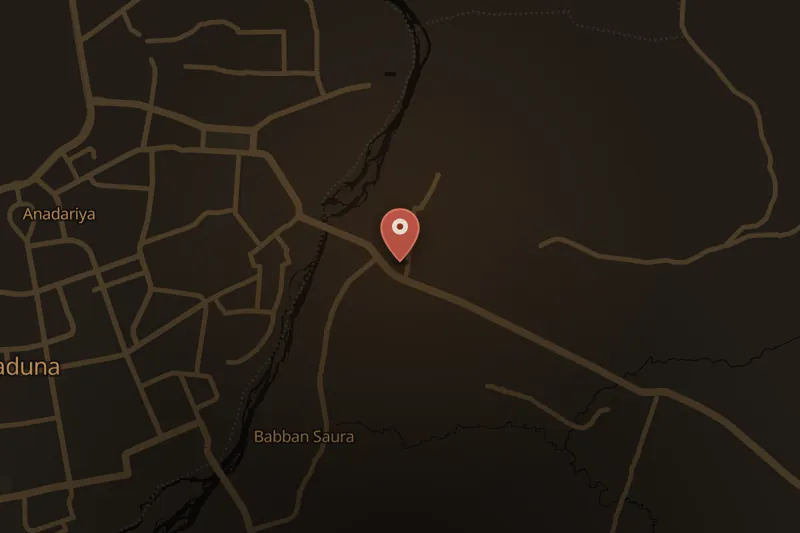
Attacks against Igbo people in Northern Nigeria began in May 1966, exploding on 29 May following the unitary decree. The British press at the time considered these May killings organized rather than spontaneous. Violence recurred and peaked on 29 July and 29 September 1966, with the September violence following fabricated news stories relayed via the BBC's Hausa service describing exaggerated attacks against northerners in the east. British newspaper reports at the time estimated about 30,000 Igbo killed in September 1966 alone, while more conservative estimates place the toll at a floor of 10,000, with overall estimates for the entire pogrom ranging between 8,000 and 30,000 deaths. The massacres were led by the Nigerian Army and replicated across various northern Nigerian cities, with civilians sometimes aided by army troops. Non-Igbo eastern minorities and Midwesterners were also attacked, as they could not be visually distinguished from Igbo people.
Aftermath
In response to the killings, some northerners living in Port Harcourt and other eastern Nigerian cities were massacred by Igbo mobs, and thousands of Hausa, Tiv, and other northern people were killed, forcing a mass exodus of northerners from the Eastern Region. More than one million Igbos fled the Northern Region for the Eastern region during and after the pogrom. These events directly preceded Ojukwu's declaration of Eastern Nigeria's secession as the Republic of Biafra, which led to the Nigerian Civil War (1967–1970).

 SOLVEDListen