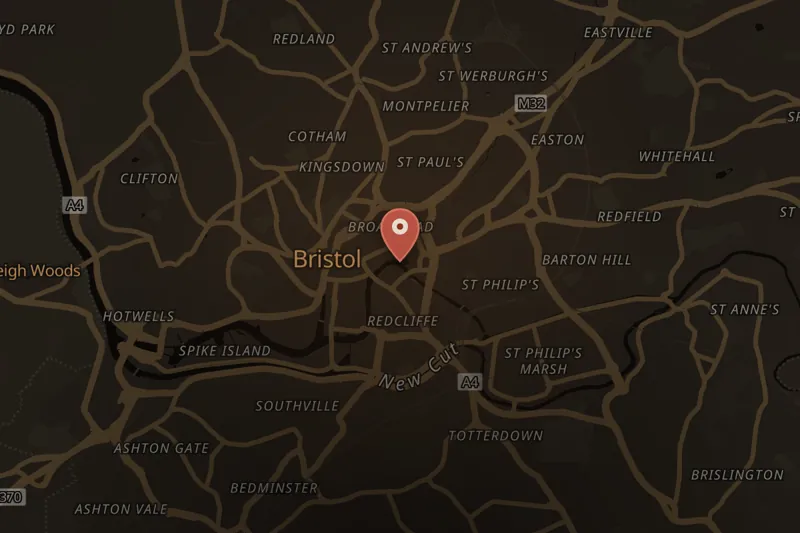
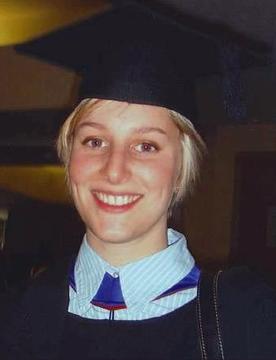
On the morning of 14 October 1987, 24-year-old Kevin John Weaver killed his sister Linda Weaver, 27, and mother Margaret Weaver, 55, at the family's home in Redfield, Bristol. He bludgeoned his sister with a hammer, striking her more than 30 times until the shaft snapped, then killed his mother in a similar manner when she returned home shortly afterward. Weaver placed both bodies in a bathtub of cold water, laundered his clothing, and left the gas taps open with a chip pan in an apparent attempt to trigger an explosion.
Later that morning, Weaver drove his sister's white Morris Marina to the Alexandra Workwear factory on Britannia Road in Patchway, carrying three shotguns and more than 500 cartridges. He went to the computer room and seized his former fiancée, Alison Woodman, 21. When she took cover beneath a desk, he opened fire, killing computer manager David Pursall, 29, and accountant John Peterson, 48. Before leaving, Weaver told Woodman, "this is your lucky day."
At 10:35, two unarmed traffic officers, Mark Nicholson and Peter Pugsley, intercepted Weaver's vehicle on the A37 at Hursley Hill in Whitchurch. He surrendered without resistance, and officers recovered three loaded shotguns, body armour, and hundreds of rounds of ammunition from his car.
In the aftermath, police ventilated the gas-filled Weaver home by shooting out windows, and a cordoned area of about 100 houses in Redfield was briefly evacuated. An inquest opened on 15 October 1987. Weaver was charged with four murders, but the Crown Court accepted pleas of manslaughter on grounds of diminished responsibility. On 28 March 1988, he was ordered to be detained at Broadmoor Hospital without limitation of time.
The attack, occurring eight weeks after and reportedly inspired by the Hungerford massacre, intensified public and political pressure for stricter firearms controls. Avon and Somerset Police Assistant Chief Constable John Harland called for tighter regulation of mail-order shotguns and warned that routine arming of police might become necessary. Bristol's Lord Mayor launched a victims' fund and petitioned the Home Secretary for immediate reform. The case contributed to momentum behind the Firearms (Amendment) Act 1988 and later informed debates preceding the Firearms (Amendment) Act 1997.
Background reporting indicates Weaver became reclusive after his father's death in 1979, living with his mother and sister and working intermittently as an accounts clerk. He had dated Alison Woodman from 1983 until she ended the relationship in August 1985, after which he stalked her and once abducted her at gunpoint, leading to a temporary seizure of his firearms in 1986; two of the guns were later returned after a doctor deemed him mentally fit. Four psychiatrists diagnosed a psychotic disorder and severe depression, and Weaver admitted to a two-year plan to kill Woodman. The court found that obsessive revenge, rather than political motive, drove the attack. Pursall was posthumously awarded the Wally Cohen Shield for bravery, while colleagues Shaun Murphy and Victor Leigh received police commendations for protecting a disabled co-worker.

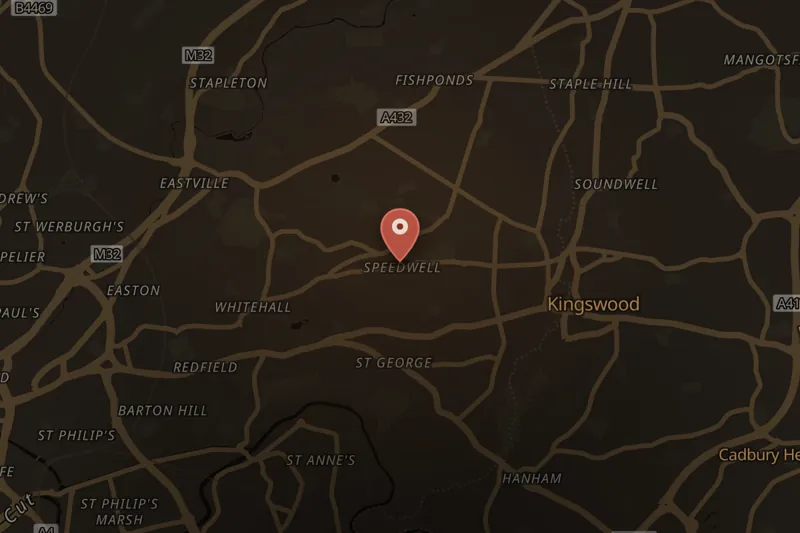
 Credit: Dave KellyCC BY-SA 2.0SourceSOLVEDListen