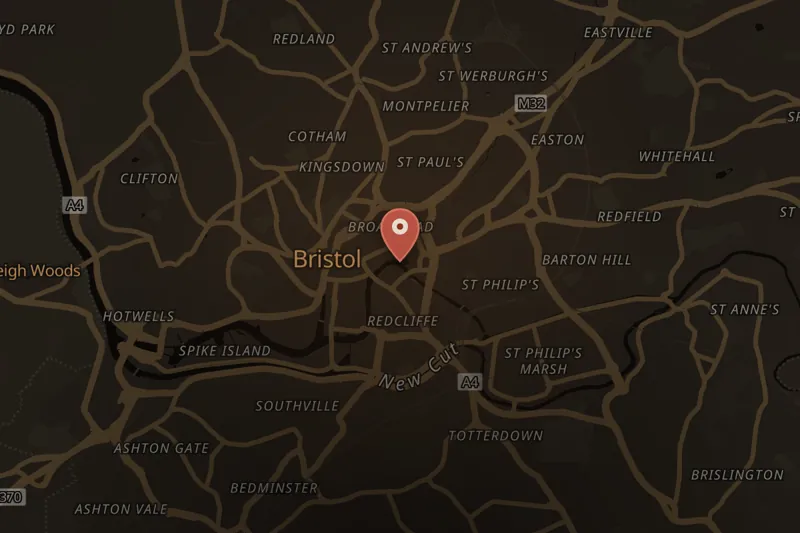
Bijan Ebrahimi (c. 1969 – 14 July 2013) was an Iranian refugee and disabled man living in Bristol, South West England. For seven years prior to his death, he had reported death threats and racial abuse from neighbours to the police. To support his complaints, he began filming his neighbours' behaviour.
While filming, he captured his neighbour Lee James drinking beer and playing with his young daughter. James noticed Ebrahimi filming and accused him of filming the child for sexual gratification, despite Ebrahimi's actual purpose being to document harassment that police had previously dismissed. James then attacked Ebrahimi and told other neighbours that he believed Ebrahimi was a paedophile.
Ebrahimi called the police, who arrived to find James in an enraged state, but instead of addressing James's conduct, officers arrested Ebrahimi because they found him difficult to deal with. As he was led away, a crowd that had gathered outside his home cheered the police, believing Ebrahimi had been arrested on suspicion of paedophilia. Officers reportedly treated Ebrahimi's expressed fears for his own safety with contempt before relocating him to housing a few miles from his previous residence.
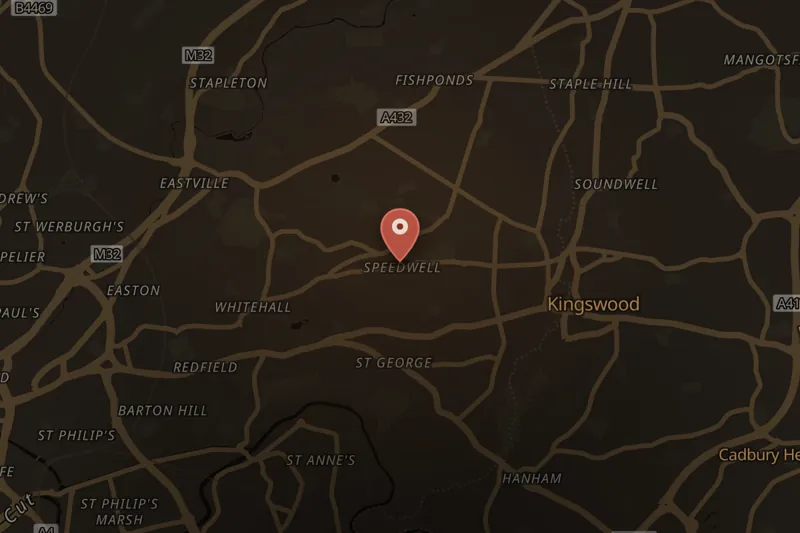
James subsequently located Ebrahimi's new address and began attempting to kill him. Ebrahimi made repeated attempts to contact police for help, but these appeals were not acted upon. On 14 July 2013, while attempting to flee, Ebrahimi was intercepted by James, who beat him to death. A neighbour of James's provided alcohol that was used to help set fire to Ebrahimi's body. When police arrived at the scene, the body was still burning.
The case drew significant international media attention and was widely regarded as an example of institutional racism in policing and local government. An independent review concluded that both Bristol City Council and the police had exhibited institutional racism in their dealings with Ebrahimi over the preceding years. As a result of the case, four police and community support officers were dismissed from their roles, and two of them were subsequently jailed in connection with their conduct toward Ebrahimi.