
Start here
Real Life SHTF: Albania Civil Unrest of 1997
The creator's telling of the case, the strongest entry point on file.
Watch on YouTubeSolved case · 1997
Also known as Rebelimi i vitit 1997 · 1997 Albanian Anarchy
 97-9Credit: Baba King at Albanian WikipediaPublic domainSource
The short answer
The collapse of pyramid investment schemes in early 1997 triggered nationwide protests, the breakdown of state authority in much of Albania, widespread looting of weapons depots, and an estimated 2,000 deaths before international mediation and an Italian-led multinational force helped restore order ahead of new elections.
Real Life SHTF: Albania Civil Unrest of 19975 pieces from 5 creators: ranked, with duplicates removed and short clips set aside.
Start here
The creator's telling of the case, the strongest entry point on file.
Watch on YouTubeTitles and descriptions are the creators’ own and may not reflect current legal status. The sourced facts are in the file below. Players load only when you press play. Suggest coverage we’re missing.
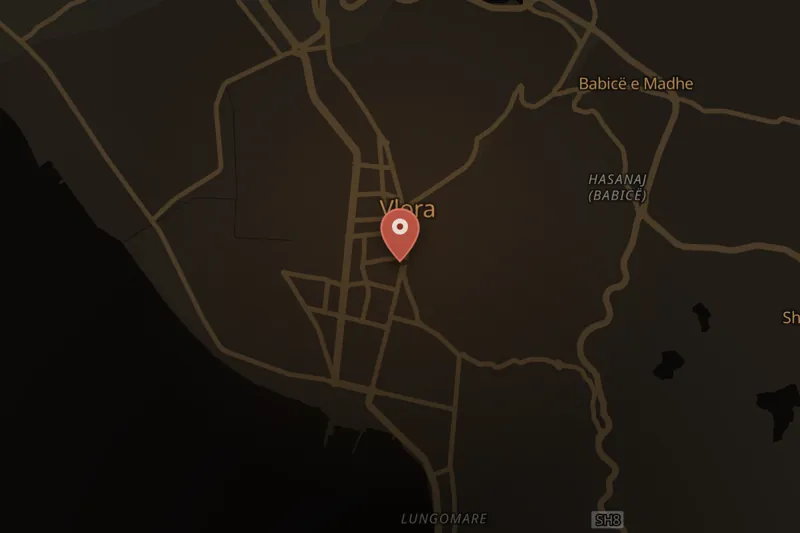
In 1997, Albania experienced a severe political, economic and security crisis following the collapse of large-scale pyramid investment schemes that had attracted deposits from a large share of the population, accumulating liabilities estimated at more than US$1 billion, close to half of the country's GDP at the time. The schemes' failure triggered mass protests, particularly in Vlorë and other southern towns, which developed into a broader rebellion against President Sali Berisha and the Democratic Party government.
The crisis combined multiple factors, including public anger over official tolerance of the schemes, the disputed 1996 parliamentary election, weakening state institutions, and political polarisation between the Democratic and Socialist parties. The first pyramid schemes had begun in 1991, and by January 1997 major firms including "Sudja," "Xhaferri" and "Populli" collapsed. Protests began on 16 January and escalated after clashes in Lushnjë on 24–26 January, where demonstrators burned government buildings and briefly took Democratic Party leader Tritan Shehu hostage. Violence spread to Vlorë and other southern towns through February, culminating on 28 February in an attack on the SHIK intelligence service building in Vlorë that killed nine people.
By early March, the government had lost control of large parts of the south, with army and police units deserting and armed civilians, criminal gangs and local "Salvation Committees" taking over public functions in numerous towns. Prime Minister Aleksandër Meksi resigned on 1 March, while Berisha declared a state of emergency and was re-elected by parliament on 3 March amid the collapse of public order. Under international mediation, a Government of National Reconciliation led by Socialist politician Bashkim Fino was formed on 9 March, with early elections scheduled for June and July.
President Berisha ordered the opening of army weapons depots in northern regions, citing a need to protect the population; combined with looting elsewhere, this contributed to an estimated 656,000 weapons, 1.5 billion rounds of ammunition, 3.5 million hand grenades and one million land mines being taken from state stockpiles, according to UNDP estimates. An explosion at an arms depot in Selitë, near Burrel, on 29 April killed 22 of the village's 200 residents. Separate incidents included the theft of gold from a state treasury near Krrabë on 24 April 1997—for which five men were later convicted and sentenced to prison terms ranging from three to eight years—and a robbery of approximately $6 million from a state treasury in Shkodër in March 1997.
On 28 March, the UN Security Council adopted Resolution 1101, authorising an Italian-led multinational protection force, which began deploying on 15 April as Operation Alba, eventually involving approximately 7,000 troops from multiple countries. The force helped stabilise Tirana, ports and key routes, supporting humanitarian relief and the electoral process without fully disarming armed groups. Early parliamentary elections held on 29 June and 6 July 1997 resulted in a major victory for the Socialist Party, which won 100 of 151 seats, ending Berisha's presidency; Rexhep Meidani was subsequently elected president by the new parliament. The unrest caused approximately 2,000 deaths and thousands of injuries, alongside large-scale destruction of public property, mass emigration and long-term regional security concerns from the looted weapons, some of which reportedly later circulated in the region including in the build-up to the Kosovo War.
The first pyramid scheme in Albania, run by Hajdin Sejdisë, begins; he later flees to Switzerland with several million dollars.
General elections held; the Democratic Party wins 122 of 140 seats amid opposition accusations of fraud.
Local elections held; Democratic Party wins again, results rejected by Socialists.
First public protests over pyramid scheme collapses occur in southern Albania.
Demonstrators protest in Tirana over the 'Sudja' scheme.
Government freezes assets of the Xhaferri and Populli firms.
Open rebellion begins in Lushnjë; city hall and cinema burned down.
Democratic Party leader Tritan Shehu held hostage for several hours in Lushnjë before being extracted by Special Forces.
Violence erupts in Tirana and other towns; protests turn violent amid clashes with police.
The 'Gjallica' pyramid firm declares bankruptcy.
State police attacked in Vlorë.
Special Forces troops attack and disperse protesters in the south; state of emergency declared for the region.
Hunger strike begins at the University of Vlorë, with about 50 students demanding the government's resignation.
Rebel forces attack the SHIK intelligence building in Vlorë; nine people killed, including six officers and three civilians.
Vlorë left without functioning government, controlled by gangs; mass exodus begins.
Prime Minister Aleksandër Meksi's government resigns.
President Berisha re-elected by parliament amid collapse of public order; riots intensify in southern and central Albania.
Government of National Reconciliation formed in Tirana, headed by Bashkim Fino.
UN Security Council adopts Resolution 1101, authorising an Italian-led multinational protection force.
Operation Alba begins deploying, with approximately 7,000 troops from multiple countries.
Gold theft from the state treasury near Krrabë (the 'Krrabë Event').
Explosion at an arms depot in Selitë, near Burrel, kills 22 of the village's 200 residents.
Early parliamentary elections held, alongside a referendum on restoring the monarchy; second-round voting occurs 1997-07-06 in some constituencies.
UNDP's Albanian Human Development Report estimates 656,000 weapons and large quantities of ammunition, grenades and mines were looted from state depots during the crisis.
Victims first. Every legal label is set from public records and court outcomes, not from the prose.
Described as the first victim of the 1997 rebellion; his funeral in Vlorë on 11 February 1997 turned into an anti-government demonstration.[3]
Convicted and sentenced to 4 years in prison for the theft of gold from the state treasury near Krrabë on 24 April 1997.[3]
Convicted and sentenced to 7 years in prison for the theft of gold from the state treasury near Krrabë on 24 April 1997.[3]
Convicted and sentenced to 3 years in prison for the theft of gold from the state treasury near Krrabë on 24 April 1997.[3]
Convicted and sentenced to 8 years in prison for the theft of gold from the state treasury near Krrabë on 24 April 1997.[3]
Convicted and sentenced to 6 years in prison for the theft of gold from the state treasury near Krrabë on 24 April 1997.[3]
From the record
Coverage is not a source: every fact in this file rests on the records below.
Are you family of someone named in this file? Corrections and removal requests from victims’ families are prioritized.
 SOLVEDListen
Near Beshiri bridge, approximately 15 km from Tirana, Albania · 1950s
In February 1951, the communist government of Albania executed 22 intellectuals without trial, falsely accusing them of bombing the Soviet embassy in Tirana; a 23rd man died the day before under interrogation. All victims were declared innocent in 1991.
 Credit: Frankk785CC BY-SA 3.0SourceSOLVEDListen
Legislative Assembly of El Salvador, San Salvador · 1993
Between 1993 and 1995, former soldiers of the Armed Forces of El Salvador stormed the country's Legislative Assembly on four occasions to demand unpaid wartime compensation, twice taking hostages including sitting legislators before crises were resolved through negotiation.


