Skip to content
Casepin

Solved case · 1951

1951 Executions in Albania

Also known as Sabiha Kasimati · Massacre of 1951 in Albania

SOLVED
Updated
Updated Jul 14, 2026
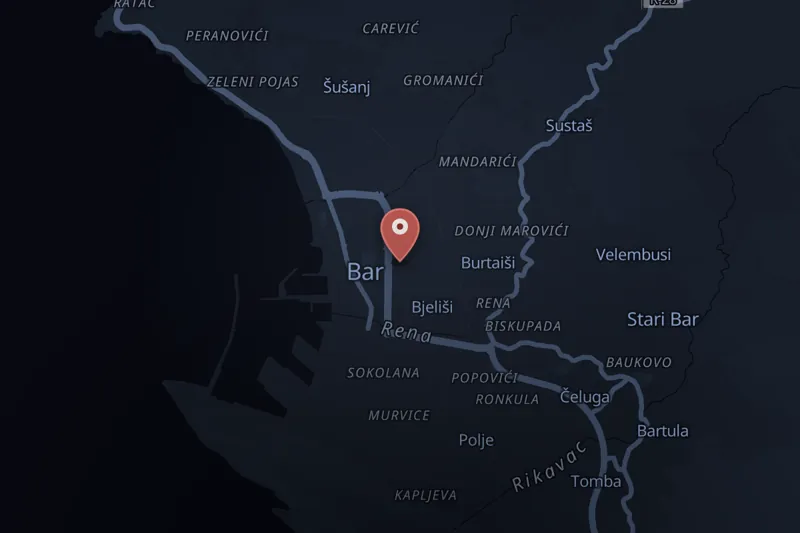
Near Beshiri bridge, approximately 15 km from Tirana, AlbaniaView on the map

The short answer

1951 Executions in Albania in brief

In February 1951, the communist government of Albania executed 22 intellectuals without trial, falsely accusing them of bombing the Soviet embassy in Tirana; a 23rd man died the day before under interrogation. All victims were declared innocent in 1991.

Key facts

Year
1951
Place
Near Beshiri bridge, approximately 15 km from Tirana, Albania
Status
SOLVEDSolved
Victims
Jonuz Kaceli, Sabiha Kasimati and Sali Ormëni
Outcome
No conviction on file

The coverage index

Where to watch & listen

No one's coverage is attached to this file yet.

Know great coverage of this case?

A documentary, a podcast episode, a careful long-form video. Suggest it and an editor will review it before it appears here.

Suggest coverage for 1951 Executions in Albania

The case file

What happened

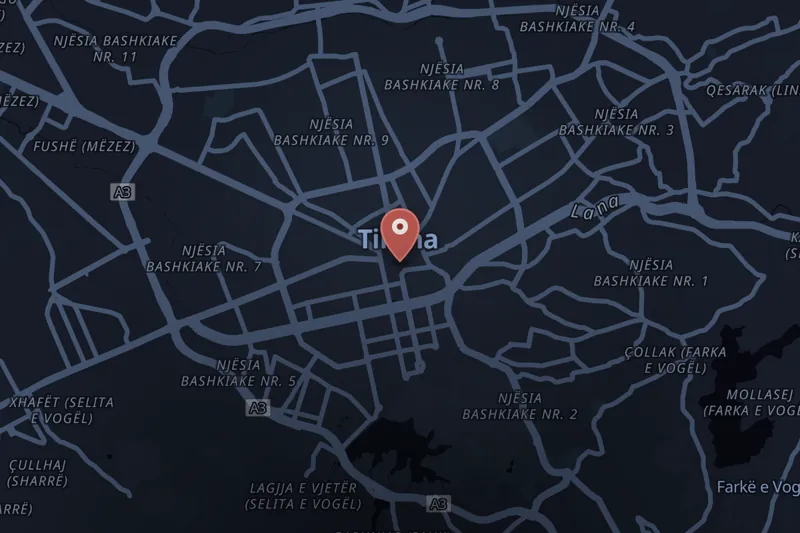
On 26 February 1951, the People's Republic of Albania executed 22 intellectuals by firing squad without any trial, on the orders of communist leader Enver Hoxha. The victims — 21 men and one woman — were accused of bombing the Soviet embassy in Tirana, an explosion that had occurred on 19 February 1951 and reportedly involved only a small amount of dynamite.

Following the explosion, Albania's Communist leadership, including Hoxha, Tuk Jakova, Mehmet Shehu, Bedri Spahiu, Hysni Kapo, Gogo Nushi, Spiro Koleka, Beqir Balluku, and Liri Belishova, met on 20 February to decide on countermeasures. Arrests of the 22 individuals were carried out between 20 and 22 February, based on death lists that had reportedly been prepared in advance by the Ministry of Interior. A formal charge, drafted and signed by Military Prosecutor Siri Çarçani and dated 25 February 1951, accused the group of serving foreign espionage, forming a terrorist organization, and spreading propaganda for a new war on behalf of American and British interests. This charge was identical for all 22 victims, was never communicated to them, and no investigation or trial preceded their execution. Çarçani later admitted he had been unaware of any investigation when he wrote the charge.

One of the arrested men, Jonuz Kaceli, was killed a day before the mass execution — on 25 February — after he punched and injured Mehmet Shehu during an interrogation conducted by Shehu and Rasim Dedja. Kaceli was thrown head-first from a second-floor window in what was staged to look like a suicide.

The remaining 22 victims were shot at midnight on 26 February 1951, near the Beshiri bridge, roughly 15 kilometers from Tirana. Their executions were authorized by a government decree issued by the Ministry of the Interior, signed by Minister of Interior Omer Nishani, on the same day as the killings. The country's Minister of Justice at the time, Manol Konomi, declined to sign the death sentences without further approval. The victims were buried together in a common grave, bound with barbed wire. The military court of Communist Albania did not formally approve the executions until 5 March 1951 — eight days after the killings had already taken place. Sali Ormëni, the head of police at the time of the bombing, was killed about one week after the explosion.

It was later established that the embassy bombing had actually been orchestrated by Hysen Llulla and Qazim Laçi. In 1991, following the collapse of Albania's communist government, all victims were officially declared innocent and were posthumously awarded the Order of Honor of the State by President Bamir Topi. Their remains were subsequently found bound with barbed wire in a mass grave on the edge of the Erzen river.

7 dated entries · 1951–1991

Timeline

  1. An explosion involving a small amount of dynamite occurs at the Soviet embassy in Tirana.

  2. Communist leadership, including Enver Hoxha, meets to decide on countermeasures; arrests begin based on pre-prepared death lists.

  3. Arrests of the 22 accused intellectuals are completed.

  4. Jonuz Kaceli is killed during interrogation and thrown from a second-floor window; the same day, Military Prosecutor Siri Çarçani signs the charge against the 22 detainees.

  5. The 22 victims are executed by firing squad near the Beshiri bridge outside Tirana and buried in a common grave.

  6. The military court of Communist Albania formally approves the executions, eight days after they occurred.

  7. All victims are officially declared innocent and posthumously awarded the Order of Honor of the State by President Bamir Topi.

3 named in this file

People

Victims first. Every legal label is set from public records and court outcomes, not from the prose.

  • Jonuz Kaceli

    VICTIM

    Killed on 25 February 1951 during interrogation, thrown from a second-floor window; accused of the same crime as the 22 later executed[3]

  • Sabiha Kasimati

    VICTIM

    One of 22 intellectuals executed without trial on 26 February 1951; declared innocent in 1991[3]

  • Sali Ormëni

    VICTIM

    Head of police at the time of the embassy bombing; killed about one week after the explosion[3]

3 cited

Sources

Coverage is not a source: every fact in this file rests on the records below.

  • 2 Press
  • 1 Encyclopedic
  1. Contemporaneous coverage — zemrashqiptare.net

    Presszemrashqiptare.netAccessed Jul 10, 2026

  2. Contemporaneous coverage — radiovaticana.org

    Pressradiovaticana.orgAccessed Jul 10, 2026

  3. 1951 executions in Albania

    EncyclopedicWikipediaAccessed Jul 10, 2026

Trust

Record history

First published
Jul 11, 2026
Corrections
None

Are you family of someone named in this file? Corrections and removal requests from victims’ families are prioritized.