Skip to content
Casepin

Unsolved case · 1998

1998 Killing of Iranian Diplomats in Afghanistan

Also known as Mazar-i-Sharif Iranian Consulate Killings

UNSOLVED
Updated
Updated Jul 7, 2026
H.B.11H.B.11Credit: Shobair2012CC BY-SA 4.0Source

The short answer

1998 Killing of Iranian Diplomats in Afghanistan in brief

On 8 August 1998, as Taliban forces captured Mazar-i-Sharif, 11 Iranian nationals — 10 diplomats and an IRNA journalist — were killed at the Iranian consulate, sparking a major diplomatic crisis between Iran and the Taliban.

Key facts

Year
1998
Place
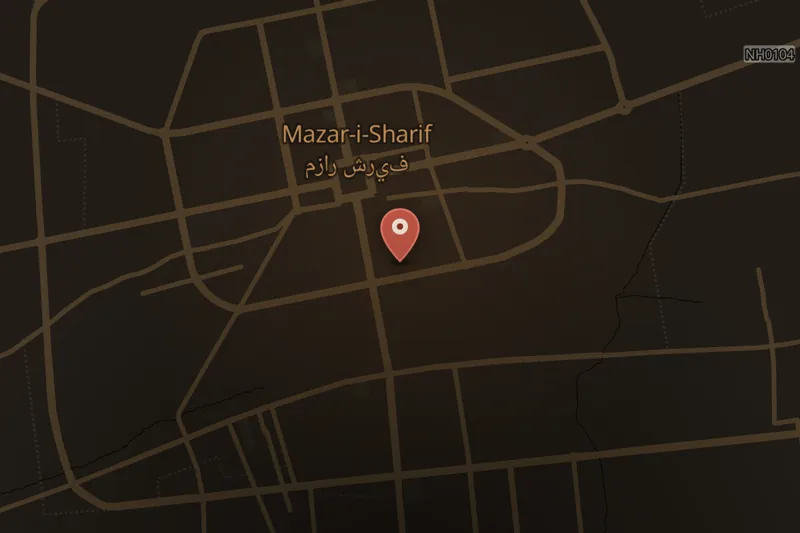
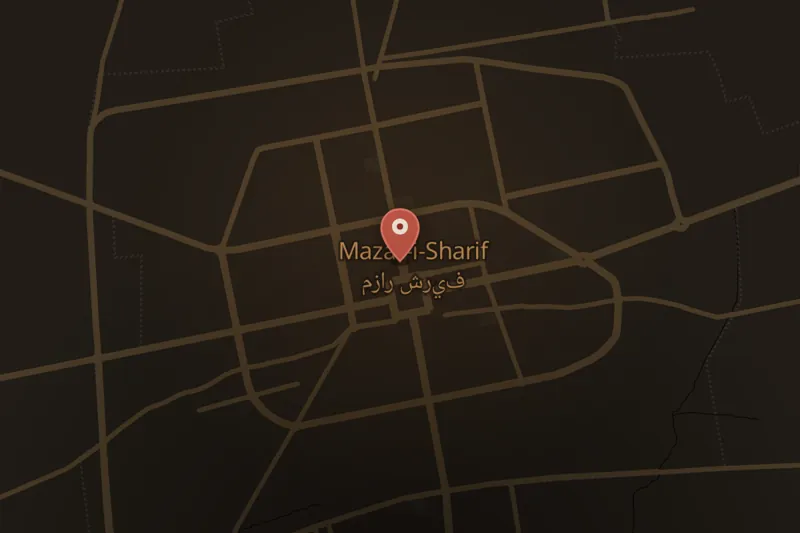
Iranian Consulate, Mazar-i-Sharif, Afghanistan
Status
UNSOLVEDUnsolved
Victims
Mahmoud Saremi, Karim Heydarian, Rashid Paryav Fallah, Noorollah Norouzi and Mohammad-Nasser Naseri and 4 more
Outcome
No conviction on file

The coverage index

Where to watch & listen

No one's coverage is attached to this file yet.

Know great coverage of this case?

A documentary, a podcast episode, a careful long-form video. Suggest it and an editor will review it before it appears here.

Suggest coverage for this case

The case file

What happened

On 8 August 1998, amid the Battles of Mazar-i-Sharif during the Afghan civil war, Taliban forces captured the city of Mazar-i-Sharif. During this takeover, the Iranian consulate in the city was attacked, and 11 Iranian diplomats along with Mahmoud Saremi, a correspondent for Iran's state news agency IRNA, were seized and subsequently disappeared. Initial unofficial reports from the city indicated that all of the men had been killed, though the Iranian government first confirmed only eight deaths before later confirming the full toll of 11.

The context for the attack lay in Iran's support for the Afghan Northern Alliance, of which Mazar-i-Sharif was a key headquarters. Between May and July 1997, Northern Alliance commander Abdul Malik Pahlawan was reported to have executed thousands of Taliban prisoners in revenge for the 1995 death of Abdul Ali Mazari, an act described as a massacre of up to 3,000 Taliban prisoners. In apparent retaliation, Taliban forces who later captured Mazar-i-Sharif killed hundreds of Northern Alliance members, particularly targeting Hazara and Uzbek ethnic groups accused of having carried out the earlier killings of Taliban prisoners. The consulate attack occurred within this cycle of violence.

The identified victims among the Iranian diplomats were Nasser Rigi, Noorollah Norouzi, Karim Heydarian, Rashid Paryav Fallah, Heydar-Ali Bagheri, Mohammad-Ali Ghiyasi, Majid Nouri Niyarki, and Mohammad-Nasser Naseri, along with journalist Mahmoud Saremi. Taliban spokesmen stated that the Iranians had been killed by renegade forces acting without orders from Taliban leadership. Some accounts have speculated that the executions were carried out by Sipah-e-Sahaba Pakistan, though as of August 2025, Iran's Ministry of Foreign Affairs had not formally identified those responsible, stating the matter "remains under serious and active pursuit."

The killings caused significant public outrage in Iran, and Qasem Soleimani, then commander of Iran's Quds Force, visited the families of the deceased shortly afterward. Iran deployed over 70,000 troops along the Afghan border amid concern of a potential military response. United Nations mediation helped defuse the crisis, and hostages held in connection with the broader tensions were eventually released. In February 1999, the Taliban and Iran held talks, though relations between the two did not substantially improve; Iran subsequently increased its support for the Northern Alliance. In Iran, 8 August is observed as National Journalists' Day in memory of Mahmoud Saremi. The events were later dramatized in the 2015 Iranian film "Mazar Sharif," directed by Abdolhassan Barzideh.

4 dated entries · 1995–1999

Timeline

  1. Abdul Ali Mazari, a Northern Alliance-aligned figure, is killed; later cited as motive for revenge killings of Taliban prisoners.

  2. Beginning of a period (through July 1997) in which Abdul Malik Pahlawan is reported to have executed thousands of captured Taliban prisoners in Mazar-i-Sharif.

  3. Taliban forces capture Mazar-i-Sharif; the Iranian consulate is attacked and 11 Iranian nationals, including 10 diplomats and journalist Mahmoud Saremi, are seized and killed.

  4. The Taliban and Iran hold talks following the killings, though relations do not substantially improve.

9 named in this file

People

Victims first. Every legal label is set from public records and court outcomes, not from the prose.

  • Heydar-Ali Bagheri

    VICTIM

    Iranian diplomat killed at the Iranian consulate in Mazar-i-Sharif on 8 August 1998.[3]

  • Karim Heydarian

    VICTIM

    Iranian diplomat killed at the Iranian consulate in Mazar-i-Sharif on 8 August 1998.[3]

  • Mahmoud Saremi

    VICTIM

    IRNA (Islamic Republic News Agency) correspondent killed alongside the diplomats; 8 August is now Iran's National Journalists' Day in his memory.[3]

  • Majid Nouri Niyarki

    VICTIM

    Iranian diplomat killed at the Iranian consulate in Mazar-i-Sharif on 8 August 1998.[3]

  • Mohammad-Ali Ghiyasi

    VICTIM

    Iranian diplomat killed at the Iranian consulate in Mazar-i-Sharif on 8 August 1998.[3]

  • Mohammad-Nasser Naseri

    VICTIM

    Iranian diplomat killed at the Iranian consulate in Mazar-i-Sharif on 8 August 1998.[3]

  • Nasser Rigi

    VICTIM

    Iranian diplomat killed at the Iranian consulate in Mazar-i-Sharif on 8 August 1998.[3]

  • Noorollah Norouzi

    VICTIM

    Iranian diplomat killed at the Iranian consulate in Mazar-i-Sharif on 8 August 1998.[3]

  • Rashid Paryav Fallah

    VICTIM

    Iranian diplomat killed at the Iranian consulate in Mazar-i-Sharif on 8 August 1998.[3]

3 cited

Sources

Coverage is not a source: every fact in this file rests on the records below.

  • 2 Press
  • 1 Encyclopedic
  1. 1998 killing of Iranian diplomats in Afghanistan

    EncyclopedicWikipediaAccessed Jul 7, 2026

Trust

Record history

First published
Jul 7, 2026
Corrections
None

Are you family of someone named in this file? Corrections and removal requests from victims’ families are prioritized.