Case file
2008 Noida double murder case
Documents violence · crimes against children · ongoing investigation — written to inform, not to shock.
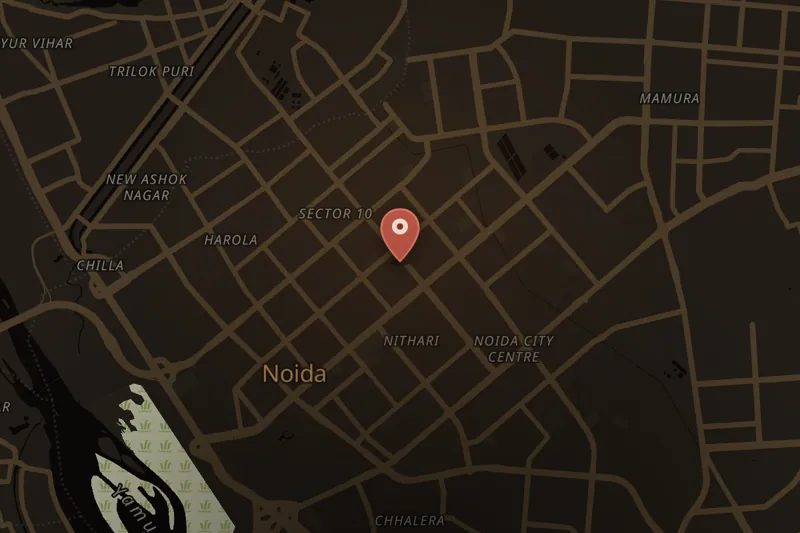
Aarushi Talwar, a 13-year-old student, and Yam Prasad "Hemraj" Banjade, a 45-year-old live-in domestic worker from Nepal, were killed on the night of 15–16 May 2008 at the Talwar family's apartment in Sector 25 (Jalvayu Vihar), Noida, Uttar Pradesh. Aarushi's body was discovered in her locked bedroom on the morning of 16 May by her parents, dentists Dr. Rajesh Talwar and Dr. Nupur Talwar, after the housemaid Bharati Mandal was unable to gain entry. Hemraj was initially missing and treated by police as the prime suspect; his partially decomposed body was found on the apartment's terrace the following day, 17 May, after bloodstains were noticed near the terrace door.
Investigators concluded from post-mortem findings that both victims were struck with a blunt weapon and then had their throats cut with a sharp instrument between roughly midnight and 1 a.m. The Uttar Pradesh police did not secure the crime scene, and numerous visitors, neighbours and media personnel entered the apartment before forensic examination, resulting in what a CBI official later described as the destruction of a large proportion of potential evidence. Early theories, including an attempted sexual assault by Hemraj, were later abandoned as investigators, and then the Central Bureau of Investigation (CBI), shifted focus to the parents. The CBI's first team investigated and cleared the parents, instead scrutinising the family's assistant Krishna Thadarai and two other domestic workers, Rajkumar and Vijay Mandal, based on narco-analysis interrogations; all three were released for lack of evidence amid criticism of the interrogation methods used.
In 2009 a second CBI team took over and, citing circumstantial evidence, named Rajesh Talwar as the sole suspect but sought to close the case for insufficient evidence. A special CBI court rejected the closure request and ordered the Talwars to stand trial. In November 2013, Rajesh and Nupur Talwar were convicted and sentenced to life imprisonment, a verdict that drew criticism from commentators who described the evidentiary basis as weak. The couple appealed, and in 2017 the Allahabad High Court acquitted both parents, finding the prosecution's case unproven.
The case attracted extensive media coverage in India, much of which was later criticised as amounting to a trial by media, including reporting containing unsubstantiated claims about Aarushi and the various suspects. Disputed elements of the investigation include the handling and interpretation of forensic evidence such as bloodstains, fingerprints, phone and internet router records, the missing weapon used to inflict the fatal throat wounds, and testimony regarding the state of Hemraj's room and the locked terrace. No person has been convicted in connection with the deaths, and the case remains legally unresolved following the 2017 acquittal.
Key facts
- Victims
- Aarushi Talwar, Yam Prasad "Hemraj" Banjade
- Date
- 2008
- Location
- Jalvayu Vihar, Sector 25, Noida, Uttar Pradesh, India
- Case status
- overturned
Case timeline
2008-05-15
Evening events preceding the killings occur at the Talwar family's Noida apartment, including dinner and Aarushi receiving a digital camera from her parents.
2008-05-16
Aarushi Talwar's body is discovered in her bedroom; domestic worker Hemraj Banjade is reported missing and treated as the prime suspect. Post-mortem places both deaths between roughly midnight and 1 a.m.
2008-05-17
Hemraj Banjade's partially decomposed body is discovered on the apartment terrace after bloodstains are noticed near the terrace door.
2008-06
CBI investigation shifts suspicion toward three men associated with the household — Krishna Thadarai, Rajkumar and Vijay Mandal — following narco-analysis interrogations; weapon theory shifts to a kukri.
2009
A new CBI team takes over the investigation, recommends closing the case for insufficient evidence, but names Rajesh Talwar as the sole suspect based on circumstantial evidence.
2013-11
Rajesh Talwar and Nupur Talwar are convicted and sentenced to life imprisonment by a special CBI court.
2017
The Allahabad High Court acquits Rajesh and Nupur Talwar on appeal, overturning the 2013 conviction.
Best coverage
No approved coverage links are attached yet.
People
Krishna Thadarai
CHARGEDTalwars' clinic assistant; suspected by CBI's first investigative team based on narco-analysis interrogation, later released for lack of evidence.
citation on file
Aarushi Talwar
VICTIM13-year-old student killed at her home in Noida on the night of 15–16 May 2008.
citation on file
Yam Prasad "Hemraj" Banjade
VICTIM45-year-old live-in domestic worker killed the same night; his body was found on the apartment terrace on 17 May 2008.
citation on file
Vijay Mandal
CHARGEDDomestic worker suspected by CBI's first investigative team based on narco-analysis interrogation, later released for lack of evidence.
citation on file
Rajkumar
CHARGEDDomestic worker suspected by CBI's first investigative team based on narco-analysis interrogation, later released for lack of evidence.
citation on file
Nupur Talwar
ACQUITTEDMother of Aarushi Talwar; convicted with life imprisonment in November 2013 for the murders, later acquitted by the Allahabad High Court in 2017.
citation on file
Rajesh Talwar
ACQUITTEDFather of Aarushi Talwar; convicted with life imprisonment in November 2013 for the murders, later acquitted by the Allahabad High Court in 2017.
citation on file
Places
Common questions
- What happened to the victim?
- Thirteen-year-old Aarushi Talwar and 45-year-old domestic worker Hemraj Banjade were found killed at Aarushi's home in Noida, India, in May 2008. Her parents were convicted in 2013, then acquitted on appeal in 2017, and the case remains legally unsolved.
- Where did the murder happen?
- Jalvayu Vihar, Sector 25, Noida, Uttar Pradesh, India.
- What is the current status of the case?
- Status: overturned.
Sources
- 2008 Noida double murder casewikipedia · Wikipedia · 2026-07-07
- Contemporaneous coverage — BBC Newsnews · BBC News · 2026-07-07
- Contemporaneous coverage — The Independentnews · The Independent · 2026-07-07
Related cases
View all cases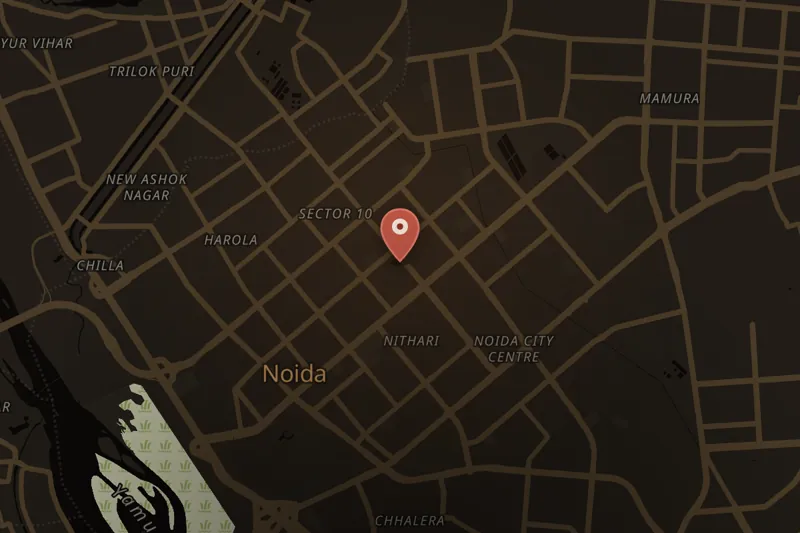
2008 Noida double murder case
Jalvayu Vihar, Sector 25, Noida, Uttar Pradesh, India
Assassination of Arjun Dass
Delhi, India
Murder of Nitish Katara
Ghaziabad, Uttar Pradesh, India (murder occurred nearby, body found near Khurja)
Murder of Travis Alexander
Mesa, Arizona, United States
Murder of Laci Peterson
Modesto, California