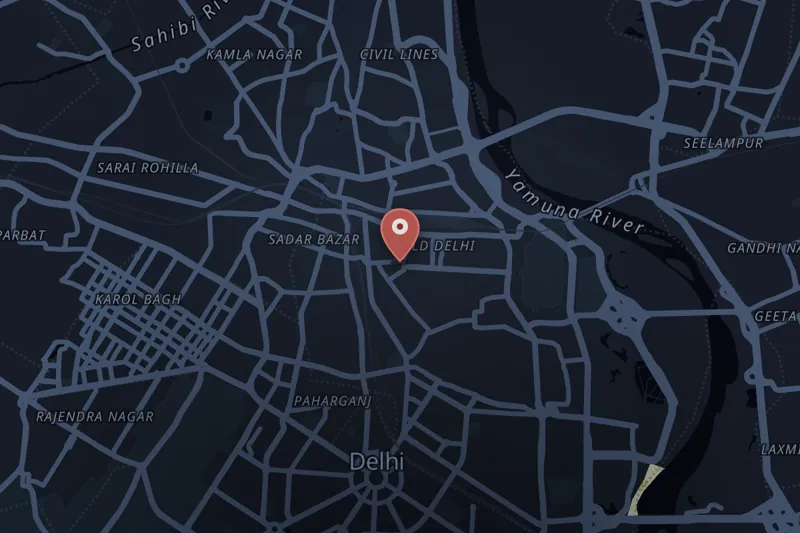
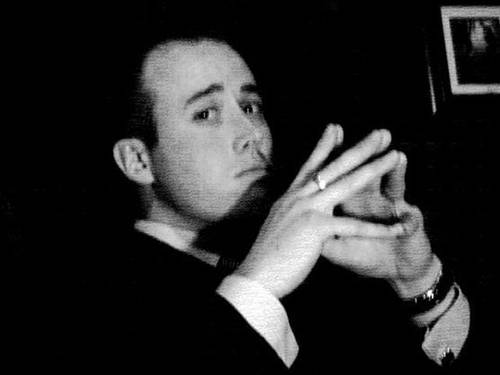
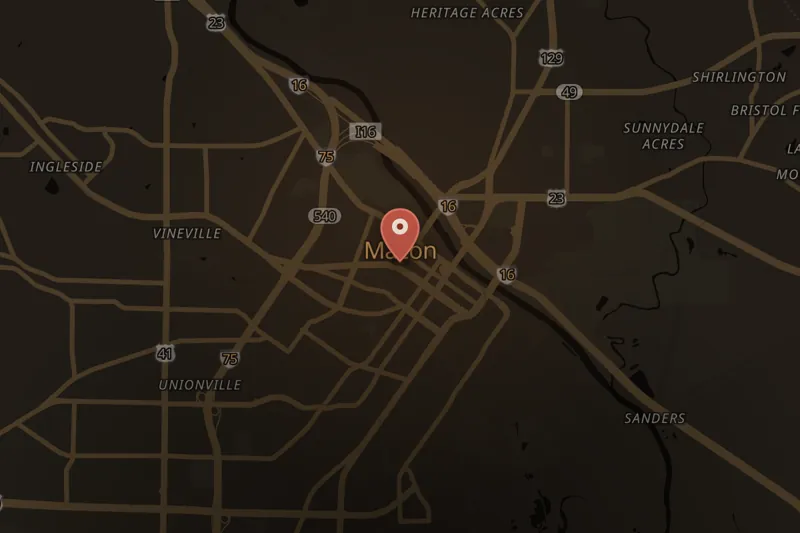
Nitish Katara was a 23-year-old business executive in Delhi who had recently graduated from the Institute of Management Technology in Ghaziabad. There he had fallen in love with his classmate Bharti Yadav, sister of Vikas Yadav and daughter of politician D. P. Yadav. The trial court later held that Katara's murder was an honour killing, motivated by the Yadav family's disapproval of the relationship.
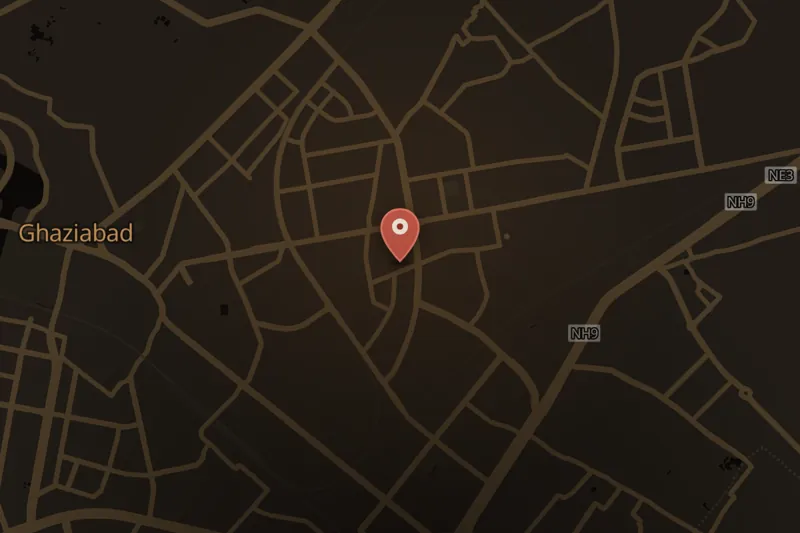
On the night of 16 February 2002, Katara and Bharti Yadav attended a common friend's wedding in Ghaziabad, where Vikas Yadav and a cousin, Vishal Yadav, were also present. Witnesses said Katara was taken from the wedding by Vikas and Vishal Yadav in a Tata Safari SUV and never returned. Three days later his body was found beside a highway near Khurja, roughly 80 km from the wedding venue; he had been beaten with a hammer, doused in diesel, and set on fire. Forensic pathologist T. D. Dogra collected blood samples from Katara's parents for DNA profiling to confirm his identity at AIIMS New Delhi. Neelam Katara, his mother, filed a First Information Report the morning the body was discovered, and warrants were issued for Vikas and Vishal Yadav.
Inspector Ashok Bhadoria arrested the pair in Dabra, Madhya Pradesh. Police statements and a later audiotaped confession, obtained by Uttar Pradesh police and broadcast by NDTV in 2006, described the kidnapping and killing, though this confession was never formalised before a magistrate and was therefore inadmissible as direct evidence. The trial featured a protracted, more than four-year effort to secure testimony from Bharti Yadav, who moved to London shortly after the murder and resisted appearing as a witness through numerous appeals. She eventually testified in 2006, denying a romantic relationship with Katara but acknowledging having sent him cards and gifts, testimony the prosecution said helped establish motive. Several other witnesses who had initially placed Vikas and Vishal Yadav with Katara on the night of the murder later retracted their statements in court.
On 28–30 May 2008, a New Delhi fast-track court convicted Vikas Yadav and Vishal Yadav and sentenced both to life imprisonment, also fining each Rs. 160,000. The Delhi High Court upheld the conviction on 2 April 2014, and on 6 February 2015 increased the sentence to 25 years' rigorous imprisonment without remission, later described as up to 30 years including a separate term for destruction of evidence. The Supreme Court of India upheld the High Court verdict on 18 August 2015 and, on 9 October 2015, rejected a plea from Katara's family seeking the death penalty. On 3 October 2016, the Supreme Court sentenced Vikas Yadav, Vishal Yadav, and a third convict, Sukhdev Pehalwan, to 25 years' imprisonment, ruling that the sentences would run concurrently rather than consecutively; Pehalwan received a 20-year term.

 Credit: owwlogy.com, india.comEditorial useSourceOVERTURNEDListen