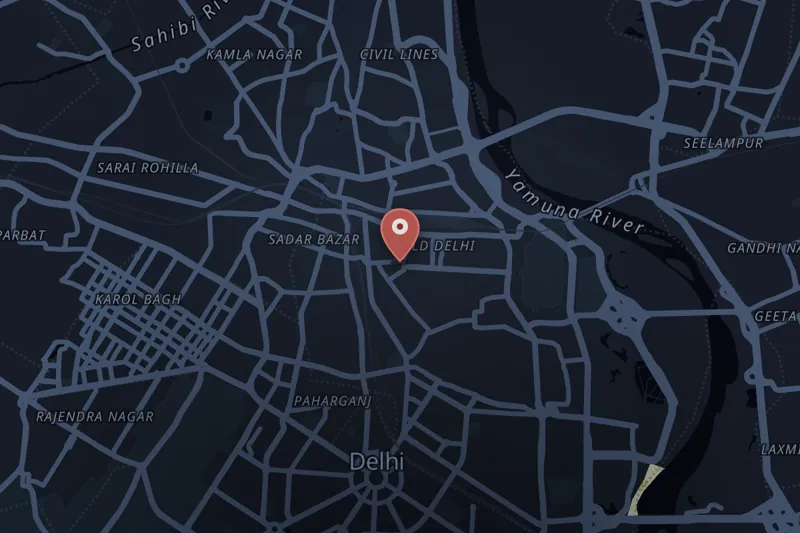
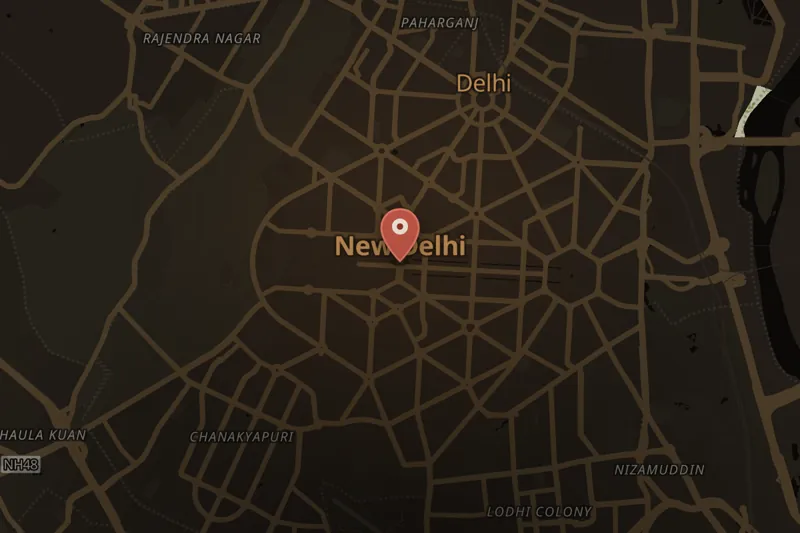
On 7 September 2011, at approximately 10:14 local time, an explosion occurred outside Gate No. 5 of the Delhi High Court in New Delhi, India. According to reports, explosives were placed in a briefcase at the court's reception area, a location where hundreds of people gather daily to attend court proceedings. India's Home Secretary R.K. Singh stated that the explosives were placed at the reception. A special secretary in the Home Ministry indicated that approximately two kilograms of explosives, composed of ammonium nitrate and PETN, were used. The blast killed 15 people and injured 79 others.
The attack occurred while Indian Prime Minister Manmohan Singh was on an official state visit to Bangladesh, and came less than two months after bombings in Mumbai on 13 July 2011 that killed 26 people. A prior low-intensity blast with no reported casualties had also occurred at the same High Court, outside Gate No. 7, on 25 May 2011.
Responsibility for the attack was claimed in an email attributed to the group Harkat-ul-Jihad al-Islami (HuJI), which is reported to have demanded that Mohammed Afzal Guru — convicted in the 2001 Indian Parliament attack — not be executed per the Supreme Court's order. Afzal Guru denied any connection to the bombing. A separate email, sent a day later to television media and attributed to the Indian Mujahideen, claimed that group carried out the attack instead of HuJI and threatened further attacks. India's Home Secretary later said it was not certain the emails came from the actual perpetrators.
The National Investigation Agency (NIA) took over the investigation and traced the HuJI email to a cyber café in Kishtwar, Jammu and Kashmir, leading to the detention of several individuals for questioning, including the café's owner and his brother. A separate email attributed to the Indian Mujahideen was traced to an individual in Ahmedabad who confessed to sending a hoax message. On 7 October 2011, the NIA arrested a medical student from Kishtwar, whom it described as a key conspirator in the bombing, near the Indo-Bangladesh border.
In March 2012, the NIA filed a charge sheet against six individuals, including a minor. In September 2012, a special NIA court found sufficient prima facie evidence against one of the accused under provisions of the Indian Penal Code relating to criminal conspiracy, murder, and attempted murder, along with terror-related charges, while dropping charges related to waging war against the nation. Several other named individuals in the charge sheet remained absconding, and one accused turned government approver and was granted a pardon by the court.
The bombing drew condemnation from Indian political and religious leaders as well as from foreign governments and international bodies, including the United Nations, Australia, Bangladesh, Brazil, Japan, Pakistan, the United Kingdom, the United States, and Vietnam.


 SOLVEDListen