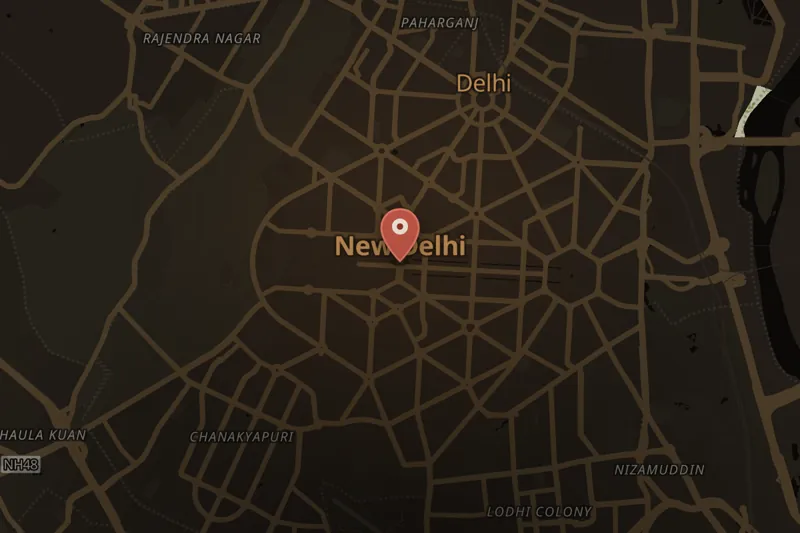
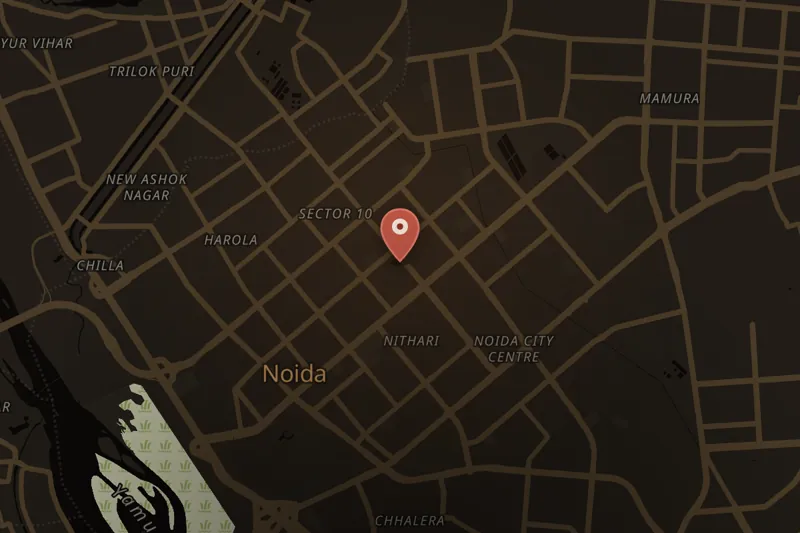
On the night of 15–16 May 2008, 13-year-old Aarushi Talwar was killed in her bedroom in the family's apartment in Sector 25, Jalvayu Vihar, Noida, India. The next morning her body was discovered with her throat slit; the family's live-in domestic worker, 45-year-old Yam Prasad "Hemraj" Banjade, a Nepali national, was initially missing and considered the prime suspect. On 17 May, Hemraj's own partially decomposed body was found on the apartment building's terrace, also with a slit throat, after police and visitors had noted bloodstains on the terrace door that went unexamined for a day. Post-mortem findings indicated both victims were struck with a blunt object before their throats were cut, and that both died between roughly midnight and 1 a.m.
The initial Uttar Pradesh police investigation was criticized for failing to secure the crime scene; according to a later CBI assessment, a large proportion of forensic evidence was compromised because family, neighbors, staff, and media moved freely through the apartment before it was cordoned off. After ruling out former domestic staff, police shifted suspicion to Aarushi's parents, Dr. Rajesh Talwar and Dr. Nupur Talwar, theorizing possible motives including an "honour" scenario or fallout from an alleged extramarital affair. The Talwars and their supporters said police were attempting to cover up an already-mishandled investigation.
The case was transferred to India's Central Bureau of Investigation (CBI). A first CBI team exonerated the parents and instead focused on the Talwars' clinic assistant Krishna Thadarai and two other domestic workers, Rajkumar and Vijay Mandal, after narco-analysis interrogations suggested a scenario involving an attempted sexual assault on Aarushi and the killing of Hemraj as a witness. All three men were released for lack of evidence, and the CBI's interrogation methods were criticized as unreliable.
In 2009 a second CBI team took over and recommended closing the case, while naming Rajesh Talwar as a suspect based on circumstantial evidence, without formal charges due to gaps in proof. The Talwars contested the closure request. A special CBI court rejected the no-evidence closure and ordered trial proceedings against the couple. In November 2013, Rajesh and Nupur Talwar were convicted and sentenced to life imprisonment, a verdict that drew criticism over the strength of the evidence presented. The Talwars appealed, and in 2017 the Allahabad High Court acquitted both parents, finding the prosecution's case insufficient. As of the acquittal, the killings of Aarushi Talwar and Hemraj Banjade remain legally unsolved, with no person convicted.
Evidence discussed during the investigation and trial included disputed forensic findings about the murder weapons (variously theorized as a golf club and a surgical scalpel or kukri), disputed witness testimony about a household maid's account of the door locks, phone records, and contested post-mortem observations, none of which produced a conviction that survived appellate review.



 ONGOINGListen