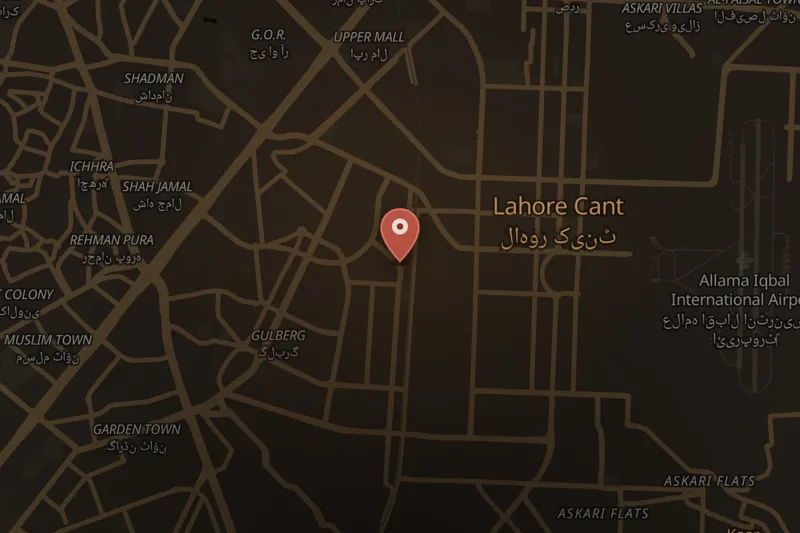
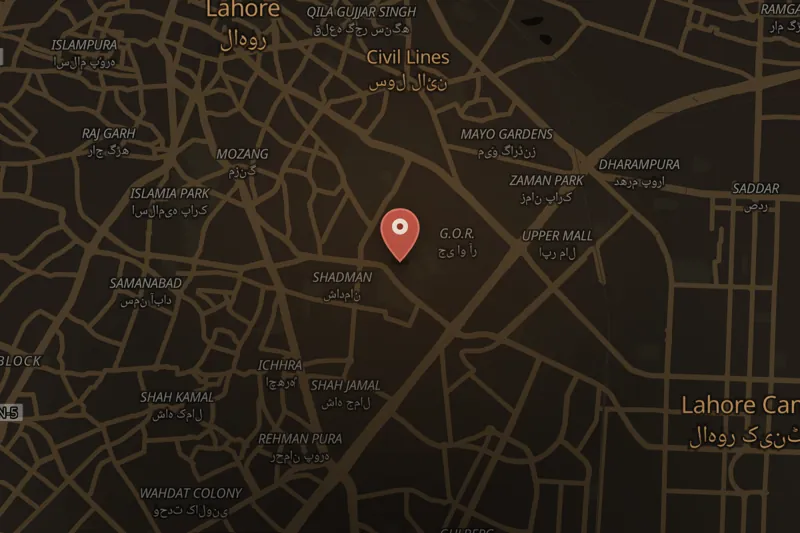
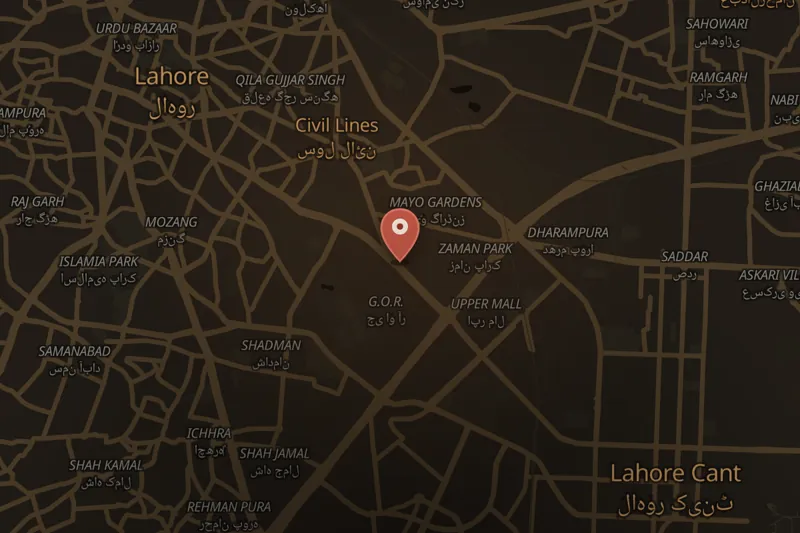
On 28 May 2010, during Friday prayers, militants carried out nearly simultaneous attacks on two mosques belonging to the minority Ahmadiyya Muslim community in Lahore, Punjab, Pakistan: Darul Zikr in Model Town and Bait-al Noor in Garhi Shahu, roughly 15km apart. Attackers used grenades and firearms, and at Garhi Shahu two would-be suicide bombers were involved; the assault there lasted around four hours before the attackers detonated their explosives. At Model Town, worshippers, including members of the Ahmadiyya youth organization Khuddam and a former army officer, overpowered and captured the two attackers alive. In total, 94 people were killed and more than 120 injured, making this the deadliest recorded attack on the Ahmadi community.
The Ahmadiyya movement, founded in 1889, is not recognized as Muslim under Pakistani law; Ahmadis were declared non-Muslim in 1973 and barred from self-identifying as Muslim under a 1984 ordinance. Human rights groups said they had warned authorities for over a year about threats to the Model Town Ahmadi center, and said government security measures were inadequate. UN Special Rapporteurs Asma Jahangir, Gay McDougall, and Philip Alston stated that institutionalized discrimination against Ahmadis emboldened those seeking to incite hatred and violence.
On the same day, gunmen attacked a hospital where some injured victims were being treated, killing twelve people; it was unclear whether the assailants sought to free a wounded associate or to kill him. Separately, an Ahmadi man was stabbed to death by a trespasser in front of his son, reportedly after the attacker heard a mullah's televised sermon.
Many victims were buried in Rabwah, the Ahmadiyya community's Pakistani headquarters, though politicians and prominent officials largely did not attend funeral services, and media were absent from the burials; authorities were also criticized for inadequate security at the ceremony.
Tehrik-i-Taliban Pakistan and its Punjab-linked wing claimed responsibility, sending a message warning the Ahmadi community to leave Pakistan or face death. Lahore police stated the attacks were carried out by six militants belonging to the Pakistani Taliban who had trained in Miranshah, North Waziristan, and arrived in Lahore on 21 May 2010. Punjab law minister Rana Sana Ullah Khan said the attackers had stayed with the Tablighi Jamaat missionary group and were trained in Waziristan. On 5 July 2010, Pakistani police arrested six men from the banned group Harkat-ul-Jihad al-Islami believed linked to the attack, found in possession of explosives, grenades, and AK-47 rifles; four were alleged to have provided logistical support.
UN Secretary-General Ban Ki-moon condemned the attacks and called on the Pakistani government to protect religious minorities. The US ambassador to Pakistan, Anne W. Patterson, criticized rising intolerant rhetoric in the country. Pakistan's Interior Minister Rehman Malik acknowledged militant entrenchment in southern Punjab but ruled out a military offensive there.

 ONGOINGListen