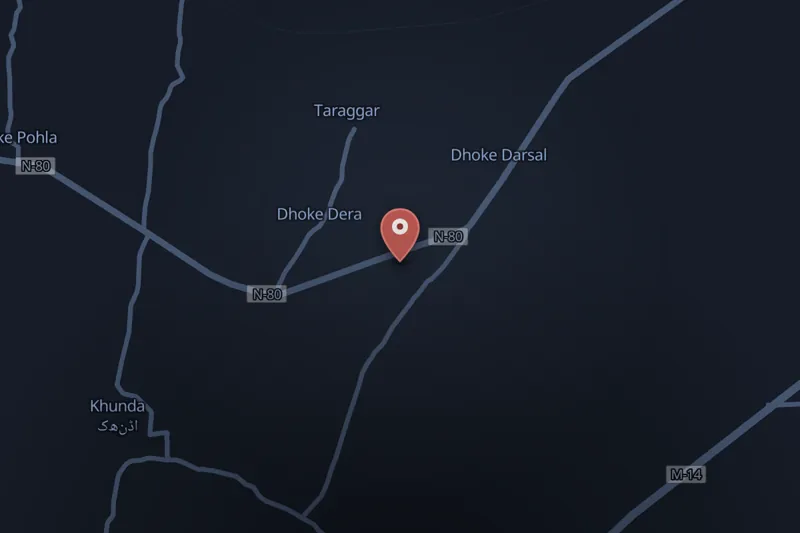
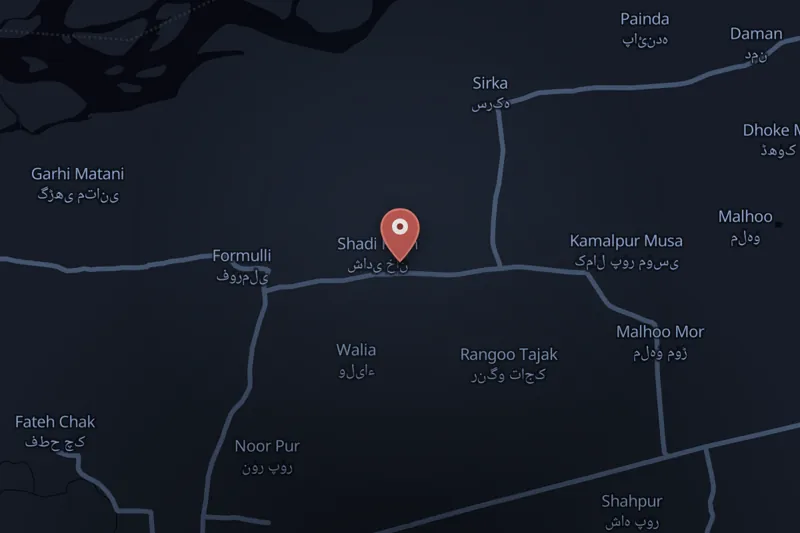
On 1 January 2010, a suicide bomber drove a Mitsubishi Pajero pickup truck packed with an estimated 600 pounds (270 kg) of explosives into a crowd gathered to watch a volleyball match in the village of Shah Hassan Khel, in Lakki Marwat District, Khyber-Pakhtunkhwa province, Pakistan. Up to 400 people were present at the sporting event, with nearly 300 watching the game when the blast occurred. The explosion killed at least 105 people and injured over 100 more, many critically. Among the dead were six children and five paramilitary soldiers; most of the remaining victims were teenage spectators. Witnesses described flames and a bright light in the sky before the sound of the blast reached them, and the explosion was reportedly felt as far as 11 miles (18 km) away.
The attack caused extensive destruction beyond the immediate blast site. More than twenty surrounding houses were destroyed, and people became trapped in collapsed buildings, requiring vehicle headlights to search for victims in the dark. A nearby mosque, where village elders had formed a "peace committee" and were holding a meeting at the time, had its roof cave in, though no one inside was seriously injured.
Analysts believed the villagers were targeted because they had organized a pro-government militia opposed to the Taliban, and that militants had threatened death to anyone joining the militia in the weeks prior. No group claimed responsibility for the bombing in the immediate aftermath, which analysts noted is common following attacks with high civilian casualties. Pakistani security analyst and retired Lieutenant General Talat Masood stated the attack was most likely carried out in retaliation by the Taliban, citing anger over a successful military operation that had cleared militant presence from Lakki Marwat.
Village elders vowed to continue opposing the Taliban following the attack, with the head of the tribal council stating that such attacks would only strengthen their resolve. Altaf Hussain, chief of the Muttahida Qaumi Movement, condemned the bombing as an attempt to further destabilize Pakistan. The Khyber-Pakhtunkhwa government announced compensation of Rs300,000 for the family of each person killed and Rs100,000 for each injured victim.
The attack drew international condemnation. U.S. Secretary of State Hillary Clinton, EU foreign policy chief Catherine Ashton, Russian President Dmitry Medvedev, the UK Foreign Office, Mexico's Ministry of Foreign Affairs, and Canadian Minister of Foreign Affairs Lawrence Cannon all issued statements condemning the bombing and expressing condolences to victims' families and the people of Pakistan.

 SOLVEDListen