Overview
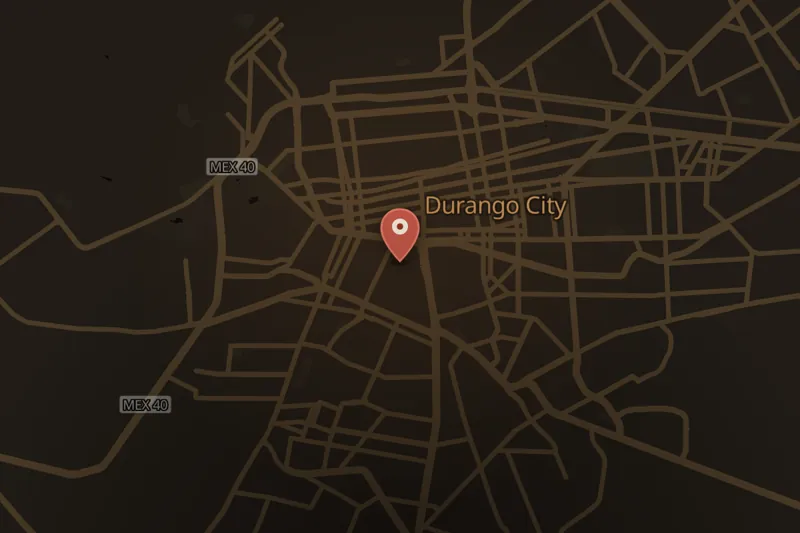
The 2011 Durango massacres refer to a series of mass graves discovered in and around the city of Durango, in the Mexican state of Durango, beginning in April 2011. According to reporting by El Universal and Yahoo! News, at least 340 bodies had been recovered from these mass graves by February 2012.
Scale and Significance
These mass graves were the first of their kind found in the state of Durango and the third of their kind discovered in Mexico overall. The number of bodies recovered exceeded the death toll from the 2011 Tamaulipas massacre, in which 189 bus passengers were killed, making the Durango discoveries notably larger in scale.
Discoveries
Over the course of roughly ten months, from April 2011 through February 2012, seven separate mass graves were located around Durango. One of the most significant of these was found in a vacant auto repair lot within the city, where 89 bodies were recovered — the largest single-site discovery among the seven graves.
Identification of Victims
Among the bodies recovered and identified was that of Alfonso Peña, a former mayor of Tepehuanes, a municipality in Durango state. His identification among the remains underscored the scope of violence affecting the region during this period, extending to local political figures.
Context
The Durango mass graves were part of a broader pattern of mass grave discoveries in Mexico during this period, including similar findings in Nuevo León and Coahuila, as well as the 2010 and 2011 San Fernando massacres in Tamaulipas. These discoveries collectively pointed to widespread clandestine burial of homicide victims across multiple Mexican states during this era.
Status
As of the available reporting, the case remains characterized by the discovery and identification of remains rather than by publicly reported prosecutions tied to the graves specifically.

 Credit: uploader and the RNAOCC BY-SA 3.0SourceSOLVEDListen


