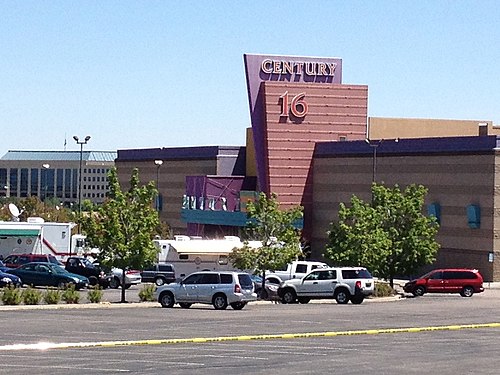
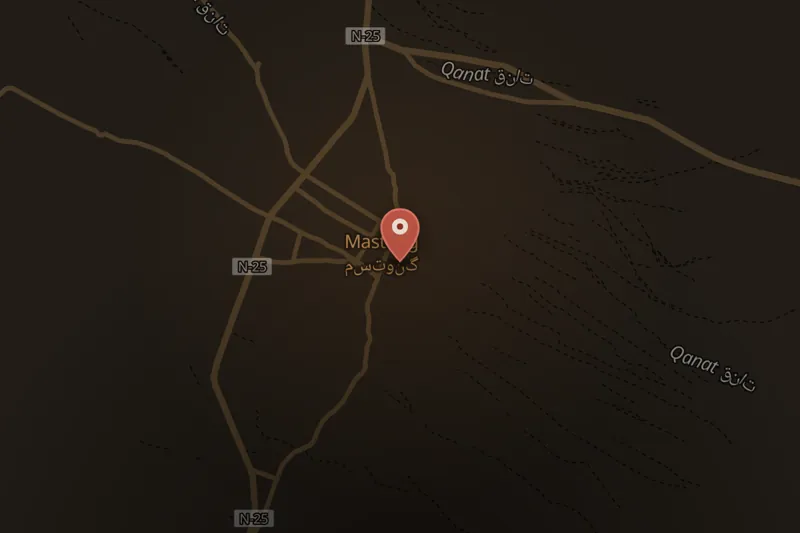
On 20 September 2011, a passenger bus traveling from Quetta to Taftan, a Pakistani border town with Iran, was stopped by armed men in the Ganjidori area of Mastung District, Balochistan. Around ten attackers on two vehicles, armed with rocket launchers and Kalashnikov assault rifles, halted the bus, which was carrying 45 passengers. The assailants identified and separated the Hazara passengers, who are predominantly Shi'a Muslim, from the rest of the passengers. The Hazara passengers were lined up and shot for approximately ten minutes, leaving 26 dead. Later the same day, a follow-up attack targeted a car traveling to rescue survivors of the bus attack, killing two more people and bringing the day's total death toll to 28.
The victims were Hazara pilgrims, many of whom travel through Taftan for economic opportunities or onward to Iran, including for pilgrimage to the shrine of Imam Reza in Mashhad. Mastung, where the attack occurred, has a majority Sunni Baloch population. The attack has been characterized as a sectarian targeted killing against the Hazara Shi'a minority.
Lashkar-e-Jhangvi (LeJ), a Sunni extremist militant group banned in Pakistan and designated a terrorist organization by both Pakistan and the United States, claimed responsibility for the massacre. The group has been linked to other attacks on Hazara and Shi'a communities, including the Hazara Town massacre, Ashura massacre, Mosque massacre, and Quds Day bombing.
The burial ceremony for the victims took place the following day at the Hazara Town cemetery, with bodies distributed among 26 Imambargahs within Hazara Town. Peaceful protests followed, with demonstrators demanding the resignation of Balochistan Chief Minister Aslam Raisani and calling for United Nations intervention regarding violence against the Hazara people. Protests, rallies, and demonstrations also took place in other Pakistani cities, including Karachi, Skardu, Muzaffarabad, Nawabshah, Sukkur, Ghotki, and Multan.
Pakistani President Asif Ali Zardari, Balochistan Governor Zulfiqar Magsi, Chief Minister Aslam Raisani, and the Universal Muslim Association of America condemned the attack. The Chief Justice of the Balochistan High Court took suo moto notice of the killings, issuing notices to federal and provincial governments. A government committee, comprising several senior officials including the Interior Secretary and Inspector General of Balochistan Police, was formed to investigate and report within 15 days. The license of the transport company operating the bus was cancelled by Balochistan Home Minister Mir Zafarullah Zehri. Following the incident, the Iranian government closed the Taftan border crossing with Pakistan.

 UNSOLVEDListen