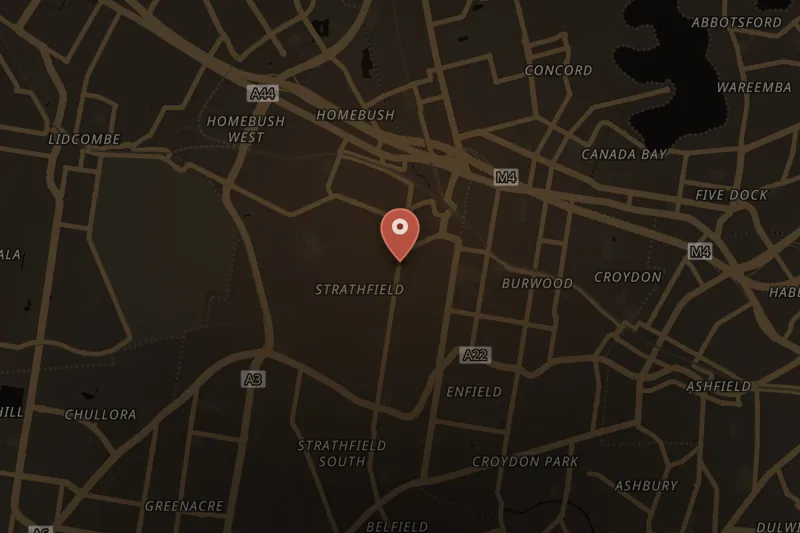
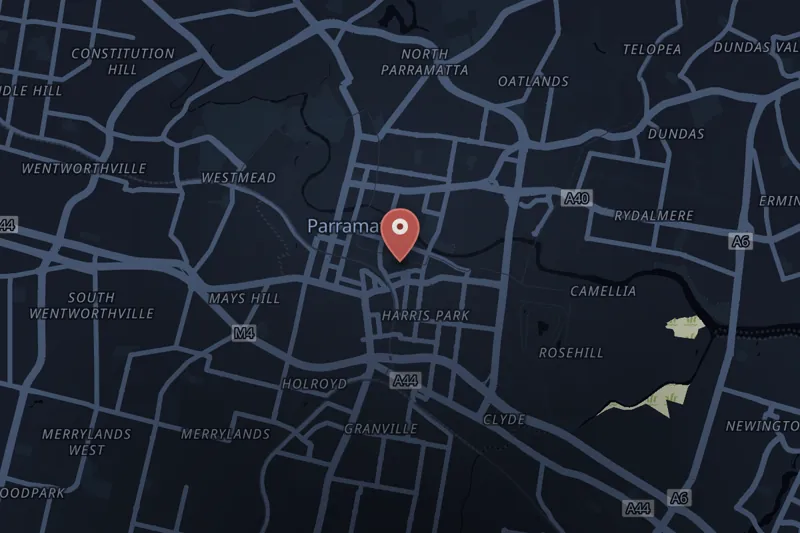
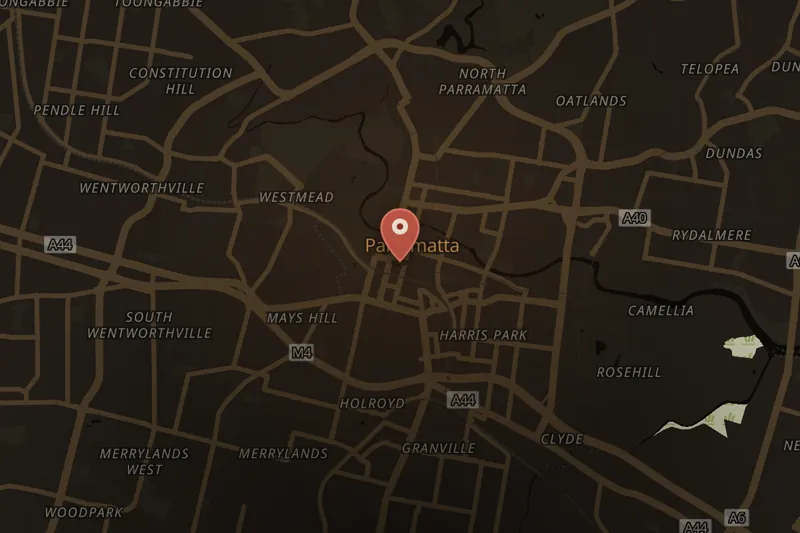
On 2 October 2015, a 15-year-old boy, Farhad Khalil Mohammad Jabar, carried a Smith & Wesson .38 revolver to the street outside New South Wales Police Force headquarters in Parramatta, Sydney. At around 4:30 p.m., he shot and killed 58-year-old Curtis Cheng, an unarmed police civilian finance worker, as Cheng was leaving the building. Jabar, identified as the shooter, remained at the scene, continuing to fire into the headquarters, before being shot dead by one of three special constables who responded. NSW Police Commissioner Andrew Scipione described the killing as a politically motivated act of terrorism, a characterisation echoed by Prime Minister Malcolm Turnbull.
In the days before the shooting, police reported increased "chatter" about a potential attack and had circulated an alert instructing officers to carry firearms at all times. Jabar, an Iranian-born boy of Iraqi Kurdish background living in North Parramatta and a Year 10 student at Arthur Phillip High School, was not previously known to police. He had visited a local mosque shortly before the attack, where he heard a lecture by the extremist group Hizb ut-Tahrir; a separate report suggested he had also visited a venue associated with the views of Feiz Mohammad. Classmates described him as quiet and solitary; neighbours called him "normal." His motivations remained under investigation, though authorities suspected ideological, religious, or political influence.
In the aftermath, Jabar's older sister, Shadi Jabar Khalil Mohammad, was reported to have left Australia for Syria around the time of the attack; she was later reported killed in a US airstrike in Al-Bab, Syria, in April 2016. Curtis Cheng's funeral was held at St Mary's Cathedral, Sydney, on 17 October 2015, attended by about 1,500 mourners. NSW Police Headquarters was later renamed the Curtis Cheng Centre in his honour.
Police investigations led to terrorism-related charges against four men. Talal Alameddine was charged with supplying the firearm and related offences; he pleaded guilty to possession of the revolver in connection with preparation for a terrorist act, recklessness as to that connection, supplying the revolver to Raban Alou, and breaching a firearm prohibition order twice, and was sentenced in May 2018 to 17 years and 8 months' imprisonment with a non-parole period of 13½ years. Raban Alou pleaded guilty to aiding, abetting, counselling and procuring the commission of a terrorist act and was sentenced to 44 years in prison. Milad Atai was charged in April 2016 with providing support to a terrorist organisation, in connection with the travel of Jabar's sister to Syria, and was later charged with planning the attack; in November 2018 he was found guilty of assisting and encouraging Jabar to shoot Cheng and helping Jabar's sister reach Islamic State-held territory in Syria, and was sentenced to 38 years' imprisonment with a non-parole period of 28½ years. A fourth man was also charged with terrorism-related offences.
Reactions included condemnation of the attack from Muslim community leaders, calls for legal changes to allow control orders on people aged 14 and over, and commentary from the Grand Mufti of Australia and the Australian Federal Police regarding media coverage of the incident.

 SOLVEDListen