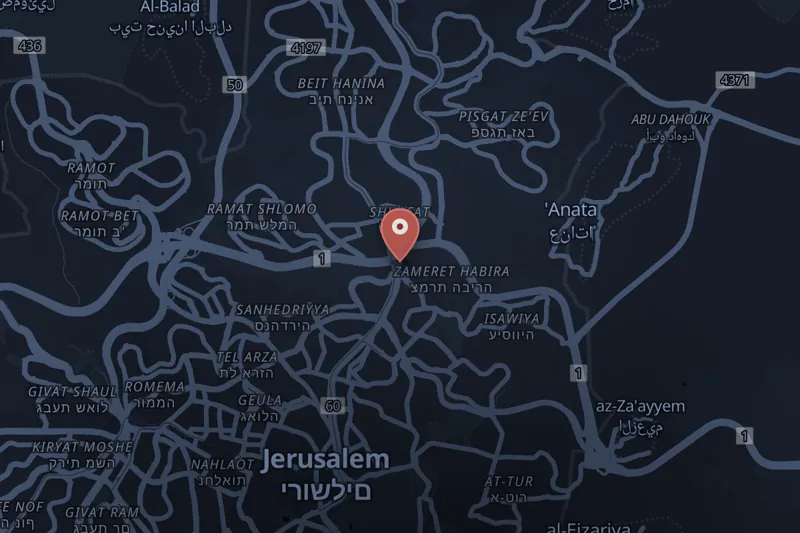
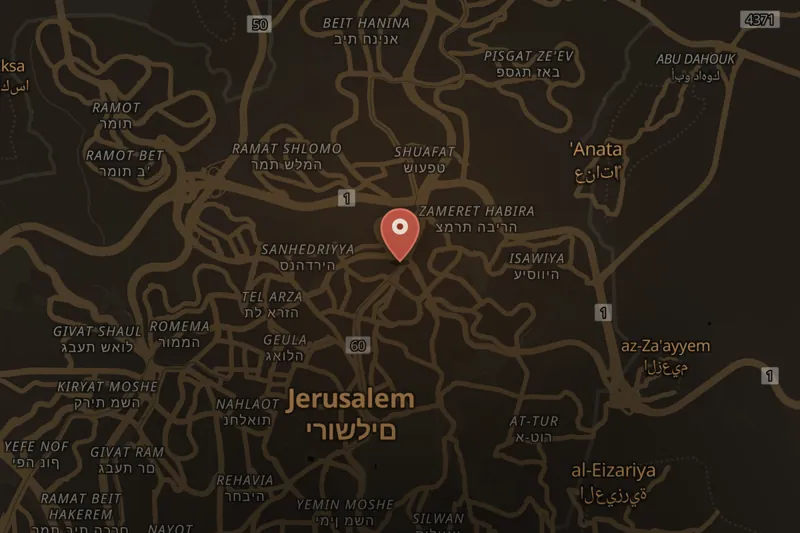
On 9 October 2016, a gunman opened fire from a car on people near the Ammunition Hill Jerusalem Light Rail station in East Jerusalem, close to national police headquarters. The drive-by shooting killed two people and wounded six others. Police on motorcycles pursued the gunman as he fled toward the nearby, predominantly Arab neighborhood of Sheikh Jarrah, where he shot and wounded two police officers before being killed in a shootout with pursuing officers.
The attack occurred during a period when terrorist attacks against Israelis had generally declined and casualties had become rare, as recent attacks were largely carried out by poorly planned, untrained individuals acting alone. This shooting was considered unusual because strict gun-control laws in Israel make firearms access rare for non-security personnel; most attacks in the preceding period had involved stabbings or vehicle-ramming rather than guns. It was described as the deadliest attack on Israelis since the June 2016 Tel Aviv shooting.
The gunman, Musbah Abu Sbaih (also spelled Mesbah Abu Sbaih), age 39, was a resident of the East Jerusalem neighborhood of Silwan and a member of Hamas. He had a lengthy police record, including prior involvement in disturbances related to the Temple Mount, incitement, and friction with security forces, and had previously served a year in prison. On the day of the shooting, he was due to begin a four-month prison sentence for assaulting a police officer in 2013. According to a Hamas statement issued after the attack, Abu Sbaih had been ordered to serve four months of administrative detention but instead chose to carry out the attack; Hamas claimed credit for the killings and referred to him as the "Lion of Al Aqsa."
In the aftermath, Israeli authorities closed a pastry shop belonging to the gunman's family, describing it as a site where videos "encouraging terrorism" had been filmed, and the family reportedly distributed candy to celebrate the attack. Israeli police also shut down a printing shop in A-Ram that had produced posters praising the gunman, seizing equipment and stock. The gunman's 17-year-old daughter was arrested after posting a video praising her father as a "martyr"; she was detained for five days, fined, and given restrictions on entering Jerusalem, using social media, and speaking to media.
Palestinian responses included celebratory gestures such as candy distribution, a banner praising the gunman displayed by players of an East Jerusalem soccer team (later removed following FIFA-rule concerns), and a Fatah-declared day of mourning. The team's coach was arrested on suspicion of incitement and support for terrorist activity. Commentary from analysts such as Avi Issacharoff, Amos Harel, and Yossi Melman situated the attack within broader concerns about copycat violence and the political context of the Palestinian Authority under Mahmoud Abbas. Israeli Public Security Minister Gilad Erdan attributed the attack partly to online incitement, criticizing Facebook's role in disseminating related content.

 Credit: BekmawCC BY-SA 4.0SourceSOLVEDListen