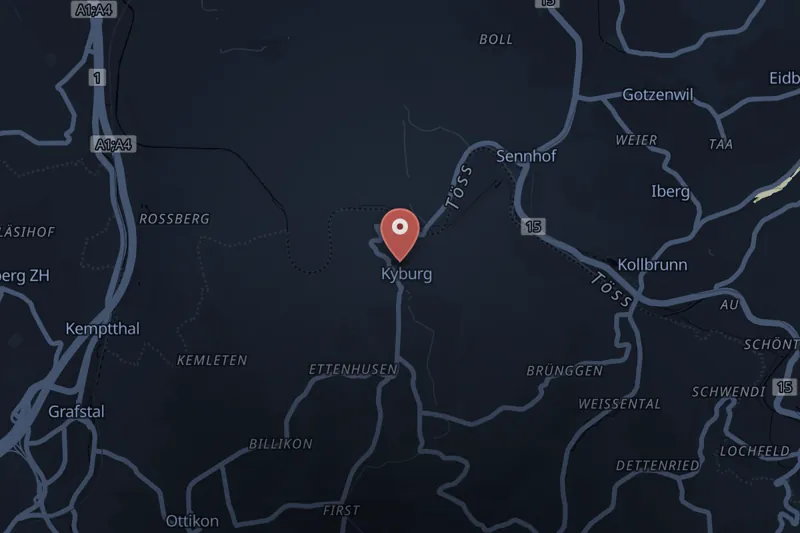
On the morning of 18 December 2016, a 24-year-old Swiss national of Chilean descent was found stabbed to death on a playground in the Schwamendingen district of Zürich. He had been stabbed repeatedly. Police identified a suspect the next morning through DNA evidence found at the scene; the suspect's DNA was already in a police database due to a prior arrest, and he was known to have been a former friend of the victim. Police attempted to arrest the suspect at his apartment but found he had already left. After visiting the suspect's mother, investigators were able to trace a phone call he made to her and used nearby CCTV footage to attempt to locate him.
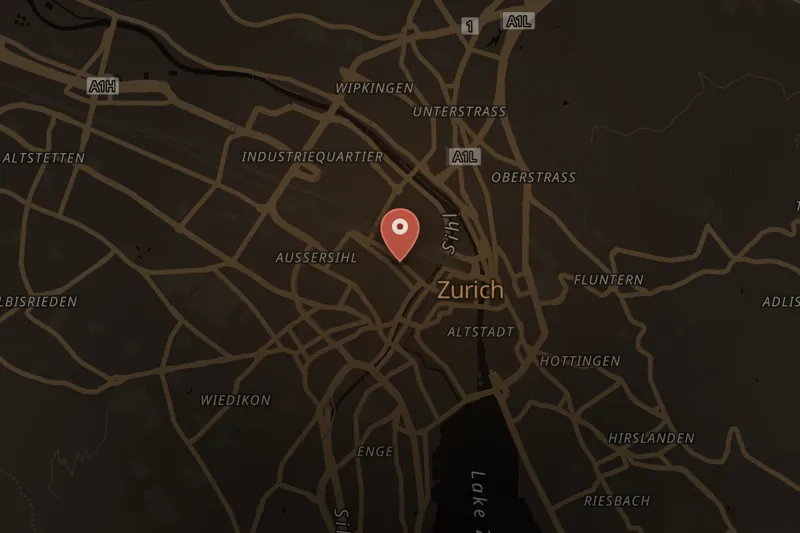
At approximately 5:30 p.m. on 19 December 2016, a man entered the Zürich Islamic Center near the Zürich Hauptbahnhof and opened fire indiscriminately during prayer services. The center is primarily used by refugees from Somalia and Eritrea. Four men were present in the prayer room; three were wounded, two seriously, though all survived. The victims were two Somali nationals, aged 30 and 35, and an ethnically Somali Swiss citizen aged 56. One witness reported hearing the shooter yell a phrase translated as "Get out of our country," though police could not confirm this. Other worshippers barricaded themselves in an adjoining room until police arrived. Police were called at 5:31 p.m.
The gunman fled on foot, prompting a manhunt involving police dog teams and public alerts. His body was found a few hours later under the Gessner bridge on the river Sihl, roughly 300 meters from the Islamic center; he had died of a self-inflicted gunshot wound. He was identified as Manuel O., a 24-year-old Swiss citizen of Ghanaian descent living in Uster. He had quit his job the Friday before the shooting and had a documented interest in occult practices and Satanism since youth. Family and neighbors gave differing accounts of his views on Islam and Salafism. He had legally acquired the pistol used in the shooting and had no known connection to the Islamic center or its victims. Police stated there was no evidence linking him to Islamist or right-wing extremist networks, and it remained unclear whether he had a mental illness. Aside from a bicycle theft arrest seven years earlier and juvenile assault charges, he had no criminal record.
The Islamic Central Council of Switzerland characterized the attack as motivated by anti-Muslim sentiment and called for greater protection of Muslim communities, criticizing anti-Islamic rhetoric from the Swiss People's Party. The perpetrator's family disputed this characterization, with his mother suggesting the attack may have stemmed from mental illness and apologizing on his behalf. The events coincided with the assassination of Andrei Karlov and the 2016 Berlin truck attack on the same day, prompting initial concern about a possible connection; then-U.S. President-elect Donald Trump described all three events as "terror attacks." Victims later criticized a lack of information from authorities about the investigation. The case was formally closed on 27 September 2017, with prosecutors citing the perpetrator's personal problems and finding no accomplices.

 Credit: Stadtpolizei ZürichPublic domainSourceSOLVEDListen