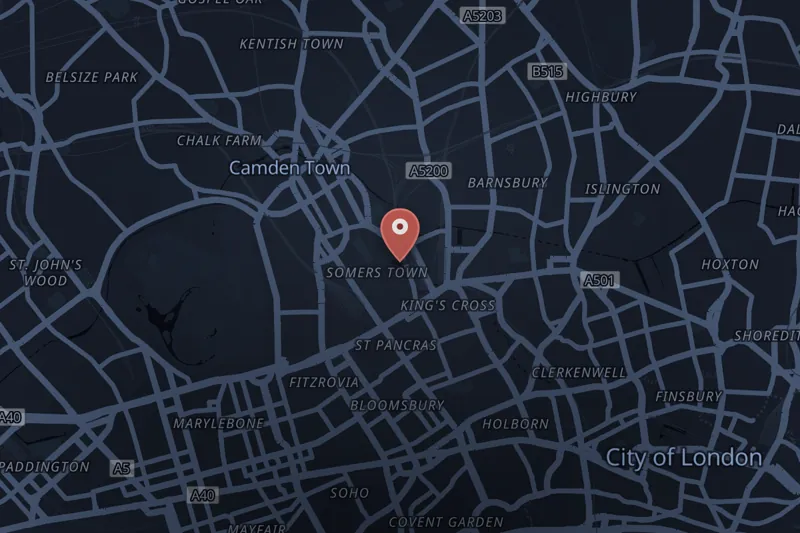
On 19 June 2017, at approximately 00:15 BST, a hired van was driven into a crowd of pedestrians at the junction of Whadcoat Street and Seven Sisters Road, near the Muslim Welfare House and about 100 yards from Finsbury Park Mosque in London. A group of Muslims had just performed tarawih night prayers during Ramadan and had gathered around a man, Makram Ali, who had collapsed at a bus stop. While they were giving him first aid, the van struck the group. Ali died at the scene; a post-mortem found he died of multiple injuries. Ten other people were injured by the van, bringing the total injured to eleven.
Witnesses said the driver was beaten by bystanders until Mohammed Mahmoud, the imam of the mosque, intervened, calmed the crowd, and appealed for the driver to be handed to police rather than assaulted further. The driver was pinned down until officers arrived. Witnesses reported him making statements including "I want to kill all Muslims," "this is for London Bridge," and "kill me." Mahmoud was later described as "the hero of the day" by the mosque's chief executive and praised by the Mayor of London, Sadiq Khan.
The attack occurred against a backdrop of prior UK terrorist incidents in 2017 — at Westminster, Manchester, and London Bridge — after which reports of revenge attacks against Muslims and targeting of mosques had increased. Finsbury Park Mosque itself had previously been the site of a 2015 arson attempt and had a history tied to the tenure of radical cleric Abu Hamza al-Masri before reopening under new management in 2005.
Police arrested a 47-year-old man from Cardiff, Darren Osborne, at the scene. He was subsequently charged on 23 June 2017 with terrorism-related murder and attempted murder. Investigators found that Osborne had hired the van near Cardiff days before the attack, slept in it, and driven to London the night before. Court evidence indicated he had rapidly radicalised in the weeks before the attack, reportedly influenced in part by a BBC docudrama about grooming gangs and by online far-right material, including emails and tweets from activist Tommy Robinson. A senior police commander stated that this material played a "significant role" in Osborne's radicalisation. Osborne testified that he had hoped to attack an Al-Quds Day march and had hoped to kill the leader of the Labour Party and the Mayor of London.
Osborne pleaded guilty to reduced charges on 21 December 2017, but the case proceeded to trial at Woolwich Crown Court in January 2018. On 1 February 2018, he was found guilty of terrorism-related murder and attempted murder and was sentenced to life imprisonment with a minimum term of 43 years before parole eligibility.
The attack prompted condemnation from political and religious leaders across the UK, visits to the mosque by then-Prime Minister Theresa May and Labour leader Jeremy Corbyn, and a visit from Prince Charles days later. Two detective superintendents and the imam, Mohammed Mahmoud, later received OBEs in recognition of their roles in the response.


 Credit: http://img.thesun.co.uk/multimedia/archive/00520/ben_280_520944a.jpgEditorial useSourceSOLVEDListen