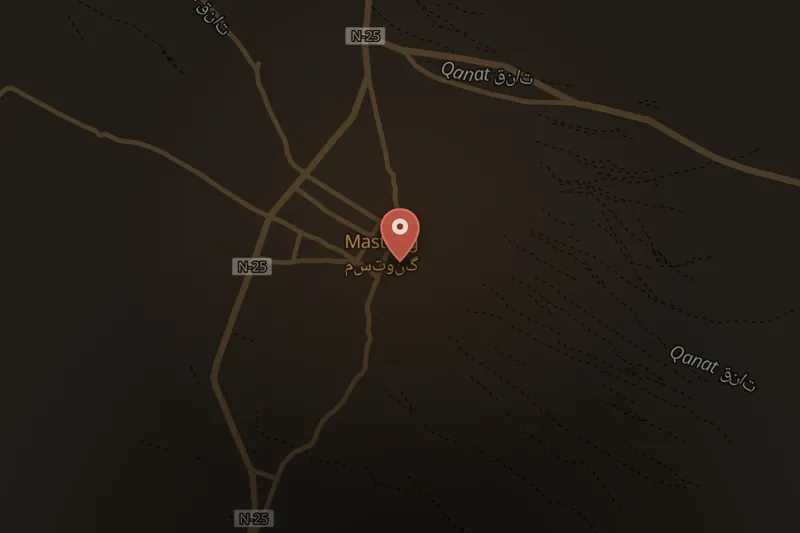
On 9 November 2024, at around 8:25 a.m., a suicide bomber detonated an explosive device on a crowded platform at Quetta railway station in Quetta, Balochistan, Pakistan. The blast occurred near the ticket office, where an estimated 150 to 200 people were waiting to board a train bound for Rawalpindi. The explosion damaged the platform's roof and destroyed a nearby tea stall. At least 32 people, including the perpetrator, soldiers, and railway employees, were killed, and 55 others were injured, with several victims taken to hospital in critical condition.
Quetta Railway Station is a major transport hub and one of the largest stations in Balochistan province. The Balochistan Liberation Army (BLA), an ethnic secessionist militant group designated a terrorist organization by China, the European Union, Iran, Pakistan, Russia, the United Kingdom, and the United States, claimed responsibility for the bombing, stating it was carried out by the group's Majeed Brigade. This marked the first time the BLA had attacked the center of Quetta. The group said it targeted soldiers, which Balochistan's inspector-general of police, Moazzam Jah Ansari, described as being from the "Infantry School." Pakistan's Counter Terrorism Department reported that the bomber carried 8–10 kilograms (18–22 lb) of explosive material inside a bag.
In terms of casualties, 24 of the injured were transferred to the Combined Military Hospital and 13 to the Trauma Centre. Hospital officials stated that 25 injured patients were initially treated and discharged. The bomber's remains were sent for DNA testing for identification.
On 10 November 2024, the BLA released a photo of the bomber and identified him as Muhammad Rafiq Bizenjo. According to the group's statement, Bizenjo joined the BLA in 2017 under the alias "Washen," volunteered for a suicide attack in 2023, and trained with the Majeed Brigade for over a year.
In the aftermath, two trains that used the station, the Jaffar Express and the Bolan Mail, were suspended for four days due to security concerns. The Balochistan government declared three days of mourning from 11 to 13 November 2024, and security measures across Quetta were significantly increased.
The attack was condemned by Balochistan chief minister Sarfraz Bugti, National Assembly of Pakistan speaker Sardar Ayaz Sadiq, and Pakistani prime minister Shehbaz Sharif, along with the foreign ministries of Afghanistan, Iran, Sri Lanka, the United Arab Emirates, Jordan, the State of Palestine, and Turkey, and the US mission to Pakistan. World leaders and diplomats, including Russian President Vladimir Putin, Malaysian Prime Minister Anwar Ibrahim, United Nations Secretary-General Antonio Guterres, and British High Commissioner Jane Marriott, also conveyed condolences and condemned the attack.



 UNSOLVEDListen