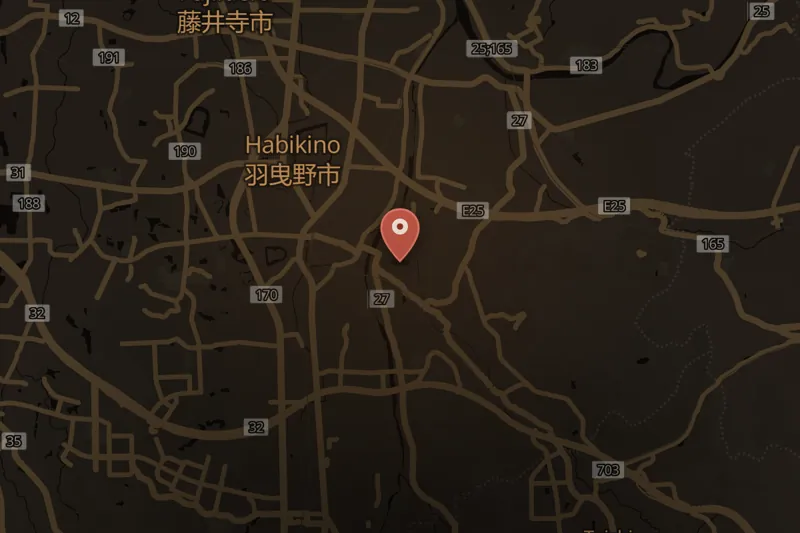
Between approximately 1987 and 2011, Miyoko Sumida, a woman from Amagasaki City in Hyogo Prefecture, Japan, allegedly built a "pseudo-family" of people unrelated to her by blood, drawing them in through relationships, forced marriages, and adoptions. According to the case record, Sumida is alleged to have exercised absolute control over this group, using intimidation and exploitation of personal weaknesses to dominate multiple families she and her associates became involved with in Amagasaki and six other prefectures — Hyogo, Kochi, Kagawa, Okayama, Shiga, and Kyoto.
The pattern reportedly began with the disappearance of a woman, Yoshiko Hashimoto, around 1987, followed by a series of suspicious deaths and disappearances involving multiple families over the following decades, including cases referred to in case documents as the "A," "B," "C & D," and "E & F" family matters. At least eight deaths were confirmed, largely attributed to assault, confinement, and related abuse. Members of the pseudo-family were reportedly forced to participate in violence against their own relatives, deprived of food, drink, and sleep, stripped of property, and compelled to break apart their families of origin.
The case came to public attention in November 2011 when a woman in her 40s who had been held captive escaped confinement and went to police. Sumida was arrested on suspicion connected to the death of one victim's eldest daughter. A subsequent theft case involving pension withdrawals led an accomplice to confess further details, and investigators went on to discover multiple bodies, including remains found in a drum can, underneath floorboards of a house, in a farm equipment shed, and in the sea off Okayama Prefecture, between late 2011 and December 2012.
On 7 November 2011, Sumida and seven others were arrested. Investigations continued through 2012 and 2013, involving repeated re-arrests of Sumida and other suspects — referred to in case records by letters such as H, K, I, and N — on suspicion of manslaughter, murder, confinement, insurance fraud, and abandonment of bodies. In total, 17 people were arrested or referred to prosecutors in connection with the case, a notably high number among Japanese mass-murder cases. Eleven people, including Sumida and her relatives, were ultimately indicted on manslaughter and murder charges relating to six of the eight confirmed deaths.
On 13 December 2012 (referred to elsewhere in case documents as 12 December 2012), Sumida died by suicide in a holding cell at Hyogo Prefectural Police Headquarters while in detention and reportedly on suicide watch, after having made statements to lawyers and detention staff indicating suicidal ideation. Because of her death, she was never tried; trials proceeded against ten of her relatives and associates. Her body was cremated in Kobe City on 19 December 2012, and no relatives came forward to claim her remains. A joint investigation by Hyogo, Kagawa, and Okinawa prefectural police was disbanded in March 2014. The whereabouts of three people connected to Sumida's group remain unknown.