
Unsolved case
April 2014 Nyanya bombing
On 14 April 2014, two bombs exploded at a crowded bus station in Nyanya on the outskirts of Abuja, Nigeria, killing at least 88 people and injuring more than 200. Boko Haram claimed responsibility six days later.

On the morning of 14 April 2014, at approximately 6:45 am, two bombs detonated at a busy bus station in Nyanya, a community on the outskirts of Abuja, Nigeria's Federal Capital Territory, located roughly 8 km southwest of the city center. The explosions struck during morning rush hour, when the station was crowded with commuters. Explosives had been hidden inside vehicles, and after the initial blast, secondary explosions occurred as fuel tanks in nearby vehicles ignited, compounding the devastation.
The bus station served a poor, ethnically and religiously mixed community. In the immediate aftermath, Abbas Idris, head of the Abuja Emergency Relief Agency, confirmed that 71 people had been killed and 124 injured. Manzo Ezekiel, spokesman for Nigeria's National Emergency Management Agency, confirmed that numerous injured victims were receiving hospital treatment. As investigators continued sifting through the wreckage in the following days, the death toll rose: by 15 April it had increased to 75, and by 18 April it stood at 88 killed, with more than 200 injured.
Boko Haram claimed responsibility for the bombing six days after it occurred, via a video released on 19 April featuring the group's leader, Abubakar Shekau. Aminu Sadiq Ogwuche was arrested by Interpol in Sudan in May 2014 on suspicion of being one of the masterminds behind the bombing. Notably, hours after the attack, Boko Haram carried out the kidnapping of hundreds of schoolgirls in Chibok, an event that would draw significant international attention.
Nigerian President Goodluck Jonathan visited the scene of the blast and made public remarks acknowledging the loss of life and characterizing the ongoing threat from Boko Haram as a serious challenge to the country's development, while affirming that the government was working to move the country forward despite such attacks. The bombing came one day after Nigerian senator Ahmed Zanna had stated that the Islamist group had killed 135 civilians in three separate attacks in northeast Nigeria during the preceding week.
This attack is one of several bombings attributed to Boko Haram in the Nyanya area during this period; a subsequent, separate bombing occurred in Nyanya in May 2014.
Key facts
- Victims
- On file
- Date
- 2014
- Location
- Nyanya bus station, Abuja, Nigeria
- Case status
- unsolved
Case timeline
2014-04-13
Nigerian senator Ahmed Zanna states that Boko Haram killed 135 civilians in three attacks in northeast Nigeria during the preceding week.
2014-04-14
Two bombs explode at a crowded bus station in Nyanya, Abuja, at approximately 6:45 am; initial reports confirm 71 killed and 124 injured.
2014-04-15
Death toll rises to 75 as investigators continue sifting through wreckage at the blast site.
2014-04-18
Death toll rises to at least 88, with more than 200 reported injured.
2014-04-19
Boko Haram claims responsibility for the bombing via a video featuring leader Abubakar Shekau.
2014-05
Aminu Sadiq Ogwuche is arrested by Interpol in Sudan on suspicion of being one of the masterminds behind the bombing.
Best coverage
No coverage has been attached to this file yet.
People
Aminu Sadiq Ogwuche
CHARGEDArrested by Interpol in Sudan in May 2014 on suspicion of being one of the masterminds behind the bombing.
Roles reflect public records and court outcomes at the time of writing — supporting citations are on file under Sources.
Archival records

Places
Common questions
- What happened to the victim?
- On 14 April 2014, two bombs exploded at a crowded bus station in Nyanya on the outskirts of Abuja, Nigeria, killing at least 88 people and injuring more than 200. Boko Haram claimed responsibility six days later.
- Where did the bombing happen?
- Nyanya bus station, Abuja, Nigeria.
- What is the current status of the case?
- Status: unsolved.
Related cases
View all cases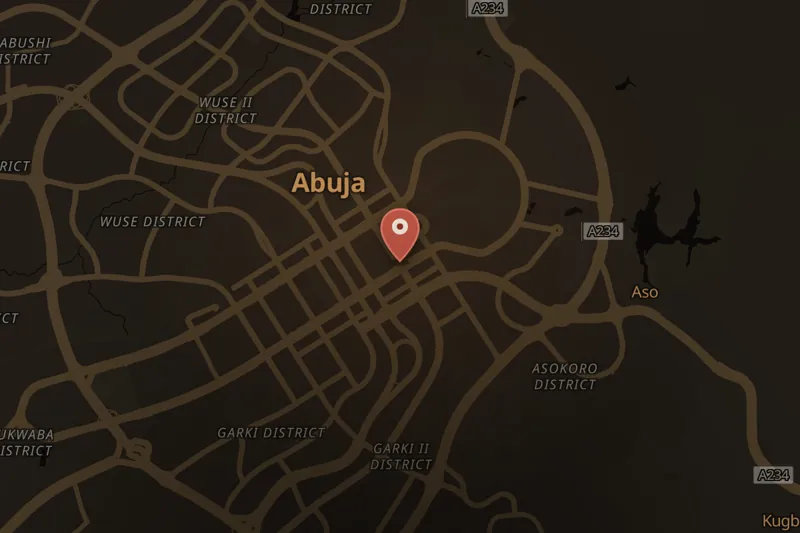
Killing of Eunice Olawale
Kubwa, Abuja, Nigeria
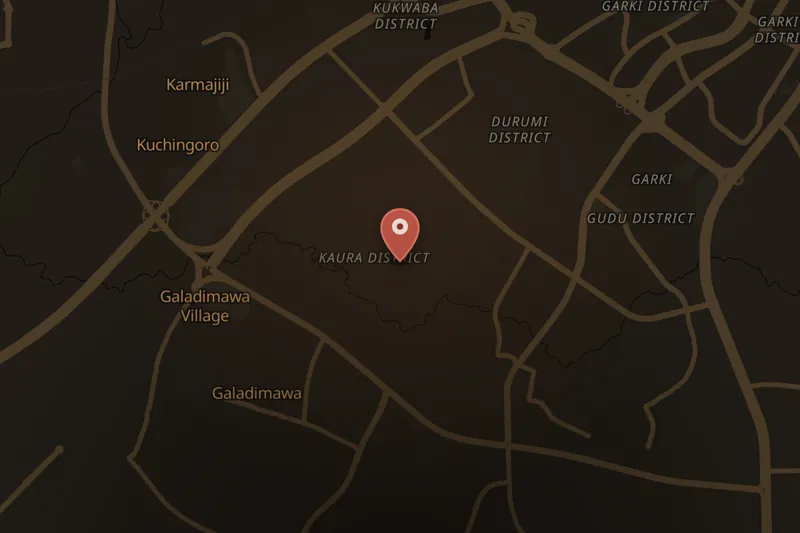
December 2010 Abuja bombing
Near a military barracks, outskirts of Abuja, Nigeria
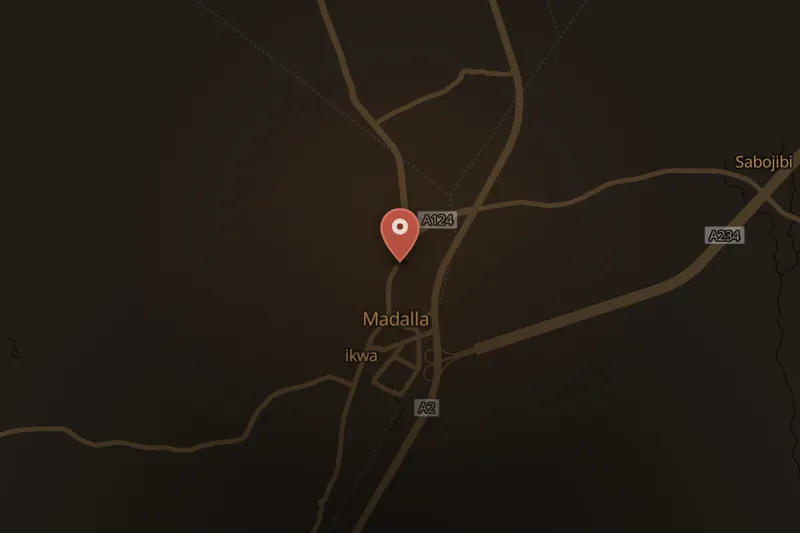
Christmas 2011 Nigeria attacks
Madalla, Niger State (near Abuja), Nigeria

Manchester Arena bombing
Manchester Arena, Manchester, England

2011 southern Israel cross-border attacks
Highway 12 near Eilat, southern Israel (Israel–Egypt border area)

11 May 2016 Baghdad Bombings
Sadr City and other Shia neighbourhoods, Baghdad, Iraq
Sources
- ENCYCLOPEDICApril 2014 Nyanya bombingWikipedia · 2026-07-07
- PRESSBlast in Nigerian capital kills 71The Telegraph · 2026-07-07
- PRESSNigeria blast coverageCNN · 2026-07-07
Record history
- First published
- JUL 07, 2026
When a file you follow changes — a new development, a correction, fresh coverage — the Dispatch is how you hear about it.
The Casepin Dispatch
A calm weekly briefing from the archive — one case worth understanding, meaningful updates to files you follow, and the best new coverage. You’ll also get the one-time note when the apps land. No gore, no rumor, no drip.