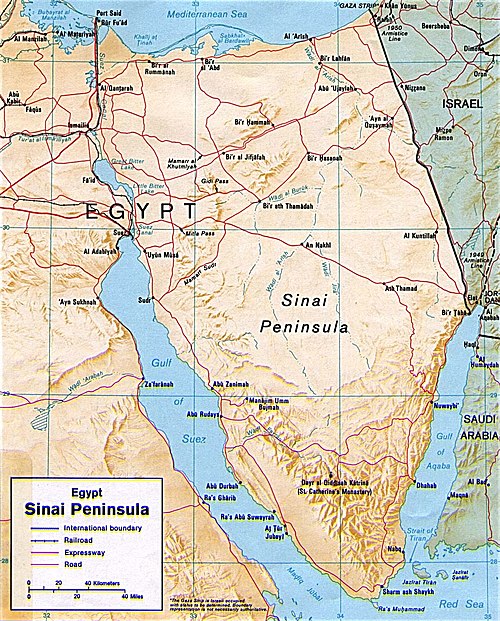
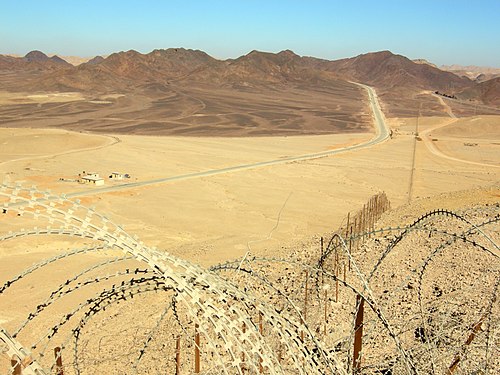
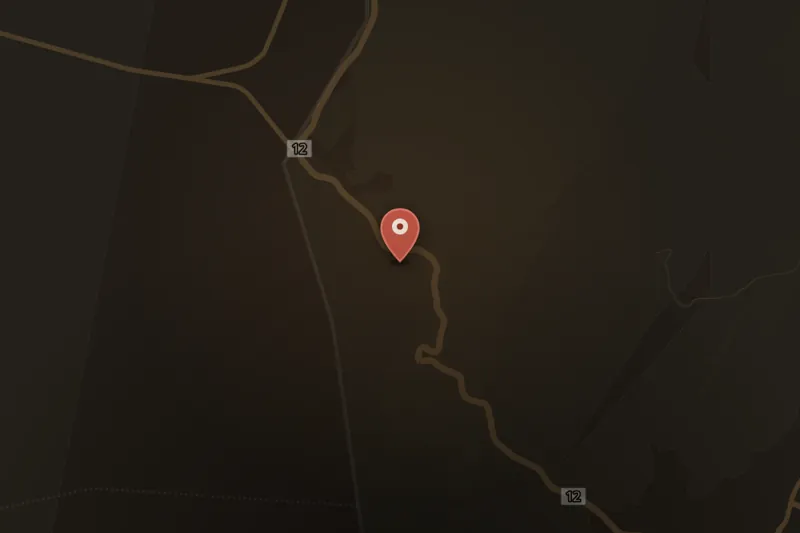
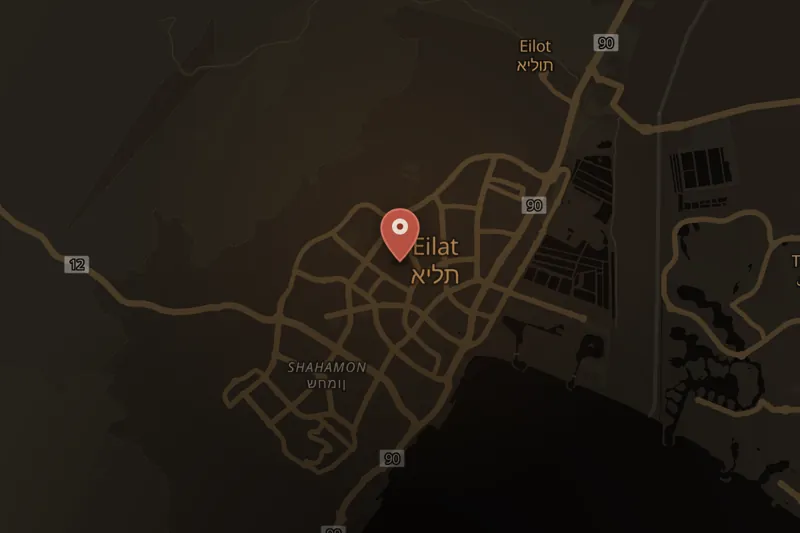
On August 18, 2011, a coordinated series of attacks was carried out on Highway 12 in southern Israel near the Egyptian border, reportedly by around twelve militants operating in four groups. The attacks came despite prior warnings from Israel's Shin Bet security service about a planned attack in the area, which had led to a heavy deployment of Israeli troops and a temporary closure of the highway.
The assault began around midday when militants opened fire on an Egged bus traveling on Highway 12, wounding seven passengers, mostly soldiers. Militants dressed in uniforms resembling those of the Egyptian Army then attacked passing vehicles; one attacker detonated a suicide vest, killing himself and a bus driver, while another shot and killed a female driver before firing an RPG at an Israeli helicopter. Israeli forces, including Golani Brigade soldiers and Yamam police, killed several attackers in the ensuing engagements, with one Israeli soldier killed by friendly fire. A separate anti-tank missile attack on a private vehicle killed four civilians, and a bomb was detonated near an Israeli army patrol along the border. Later in the day, an Israeli patrol came under fire from the Egyptian border side, and a Yamam sniper was critically wounded and later died.
In total, eight Israelis were killed — six civilians, a Yamam sniper, and a Golani Brigade soldier — along with eight to ten attackers, according to Israeli and Egyptian accounts. Five Egyptian soldiers were also killed during the pursuit; Egypt said Israeli forces were responsible, while an Israeli military officer initially attributed some of the deaths to a fleeing suicide bomber. The deaths of the Egyptian soldiers caused a diplomatic rift, with mass protests outside the Israeli embassy in Cairo and reports (later denied by Egypt's foreign ministry) that Egypt would withdraw its ambassador. Israel expressed regret, ordered a military probe, sent a letter of apology to Egypt, and agreed to a joint investigation.
No group claimed responsibility for the attacks, and the identities of the attackers — reportedly including three Egyptians — were not conclusively established. Israel accused the Gaza-based Popular Resistance Committees (PRC) of orchestrating the attacks, a claim the PRC denied while praising the operation. Israel launched airstrikes on PRC targets in Gaza immediately afterward, killing five PRC members, including its military chief. This escalation led to days of rocket fire from Gaza into Israel and retaliatory Israeli airstrikes, killing one Israeli and at least fifteen Palestinians before an informal ceasefire took hold on August 21, 2011, which was itself repeatedly tested by further rocket fire and airstrikes. In March 2012, an Israeli airstrike killed Zuhir al-Qaisi, the PRC's secretary-general, whom Israel described as one of the masterminds of the August 2011 attacks.
An internal IDF investigation later described the decision not to close the highway that morning as an understandable error rather than negligence, but criticized the presence of Israel's defense minister and military chief of staff near the attack scene while militants remained active nearby as a serious security lapse.

 SOLVEDListen