Casepin
Back to cases

Solved case

2004 Sinai bombings

Three coordinated bombings struck tourist sites in Egypt's Sinai Peninsula on 7 October 2004, killing 34 people and wounding 171, in attacks on the Hilton Taba hotel and campsites near Nuweiba popular with Israeli tourists.

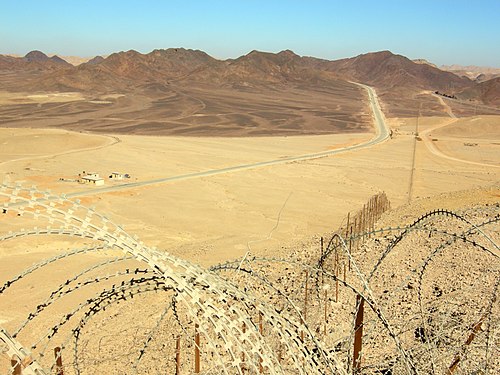
2004 Sinai bombings, October 2004. IV
2004 Sinai bombings, October 2004. IV — Credit: Yael Bar Hilel (יעל בר הלל) / IDF Spokesperson's Unit photographer · CC BY-SA 3.0

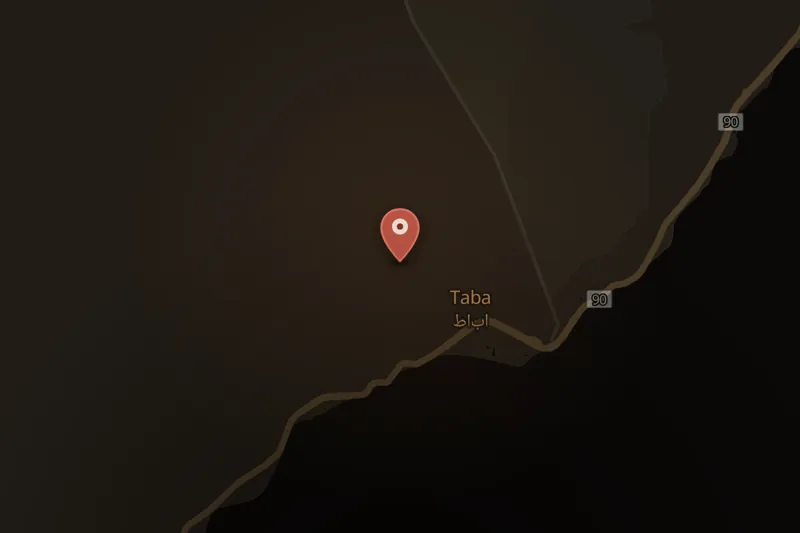
On the night of 7 October 2004, three bomb attacks struck tourist locations in the Sinai Peninsula, Egypt. The first and deadliest occurred at the Hilton Taba hotel, where a truck was driven into the lobby and detonated, killing 31 people, wounding approximately 159 others, and causing ten floors of the hotel to collapse.

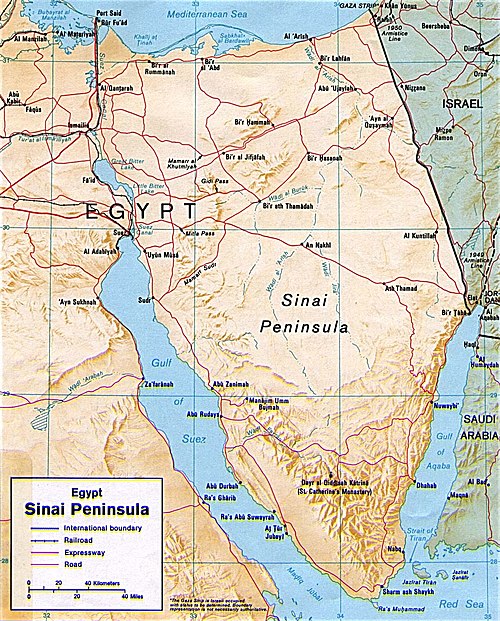
About 50 kilometers south, near Nuweiba, two further sites at Ras al-Shitan were targeted. A car bomb exploded in front of a restaurant at the Moon Island resort, killing two Israelis and one Bedouin and wounding twelve. A second device detonated moments later near the Baddiyah tourist camp but caused no injuries, reportedly because the bomber was scared off by a guard before reaching the crowded resort.

In total, 34 people were killed: 18 Egyptians, 12 Israelis, two Italians, one Russian, and one Israeli-American. Egyptian authorities stated that the attackers were Palestinians who had previously attempted and failed to carry out attacks inside Israel. According to the government's account, a man identified as Iyad Saleh masterminded the plot and recruited Egyptians and Bedouins to obtain explosives, with bomb-building beginning in March 2004 using washing-machine timers, mobile phones, and modified gas cylinders, along with TNT and older explosives sourced from Bedouins in the Sinai. Egyptian officials said Saleh and an aide, Suleiman Ahmed Saleh Flayfil, were killed in the Hilton Taba blast itself after their bomb timer ran out prematurely.

Three Egyptian men — Younes Mohammed Mahmoud, Osama al-Nakhlawi, and Mohammed Jaez Sabbah — were sentenced to death in November 2006 in connection with the bombings. Egyptian authorities arrested as many as 2,400 people in the aftermath of the attacks.

Initial statements from Israeli and Egyptian officials pointed toward al-Qaeda involvement, with Israeli Foreign Minister Silvan Shalom citing the scale and coordination of the attacks as consistent with the group's methods. Egyptian Presidential Spokesman Majid Abd al-Fatah later said there was no evidence linking al-Qaeda to the bombings, instead attributing them to a lone individual acting out of "injustice, aggression and despair" tied to the Israeli-Palestinian conflict.

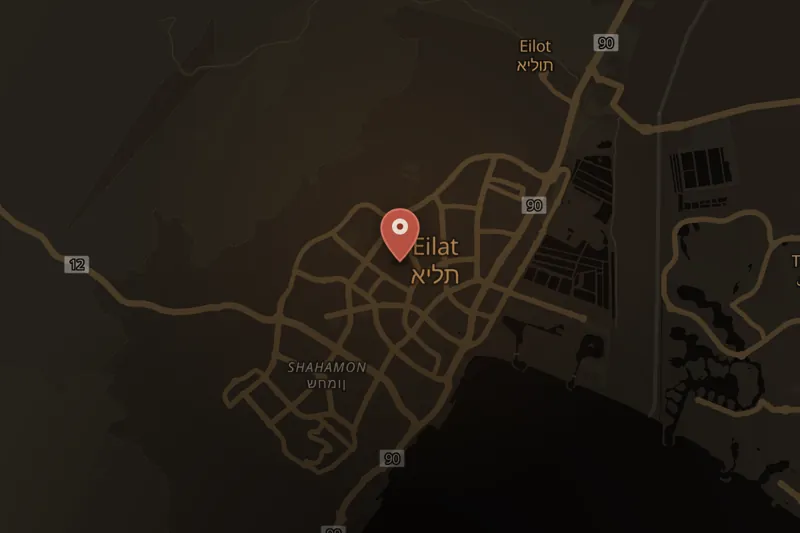
Israel had issued a warning in September 2004 about planned bombings in the Sinai, though many Israeli tourists disregarded it. Following the attacks, many Israelis and some other foreign tourists left the region, though the broader effect on Egypt's tourism industry was described as limited. Further attacks on tourists followed in Cairo in April 2005, in Sharm El Sheikh in July 2005, and in Dahab in 2006. On 9 May 2006, Egyptian security forces shot and killed Nasser Khamis el-Mallahi, described as a leader of the militant group behind the bombings, in a shootout in Al-Arish.

Key facts

Victims
On file
Date
2004
Location
Sinai Peninsula, Egypt (Taba and Ras al-Shitan/Nuweiba)
Case status
solved

Case timeline

  1. 2004-03

    According to Egyptian authorities, bomb preparations for the attacks began around this time.

  2. 2004-09

    Israel warned of planned bombings in the Sinai Peninsula; many Israeli tourists did not heed the warning.

  3. 2004-10-07

    Three bombs detonated at the Hilton Taba hotel and at Ras al-Shitan campsites near Nuweiba, killing 34 people and wounding 171.

  4. 2005-04

    A further attack on tourists occurred in Cairo, killing three and wounding several.

  5. 2005-07

    Bombings occurred at resorts in Sharm El Sheikh.

  6. 2006-05-09

    Egyptian security forces shot and killed Nasser Khamis el-Mallahi, described as the leader of the militant group, in a shootout in Al-Arish.

  7. 2006-11

    Three Egyptians — Younes Mohammed Mahmoud, Osama al-Nakhlawi, and Mohammed Jaez Sabbah — were sentenced to death for their roles in the bombings.

Best coverage

No coverage has been attached to this file yet.

People

  • Osama al-Nakhlawi

    CONVICTED

    Sentenced to death in November 2006 for role in the bombings.

  • Younes Mohammed Mahmoud

    CONVICTED

    Sentenced to death in November 2006 for role in the bombings.

  • Mohammed Jaez Sabbah

    CONVICTED

    Sentenced to death in November 2006 for role in the bombings.

Roles reflect public records and court outcomes at the time of writing — supporting citations are on file under Sources.

Archival records

  • 2004 Sinai bombings, October 2004. II

    archival location

    2004 Sinai bombings, October 2004. II

    Credit: Yael Bar Hilel (יעל בר הלל) / IDF Spokesperson's Unit photographer · CC BY-SA 3.0 · Source

  • 2004 Sinai bombings, October 2004. III

    archival location

    2004 Sinai bombings, October 2004. III

    Credit: Yael Bar Hilel (יעל בר הלל) / IDF Spokesperson's Unit photographer · CC BY-SA 3.0 · Source

  • 2004 Sinai bombings, October 2004. V

    archival location

    2004 Sinai bombings, October 2004. V

    Credit: Yael Bar Hilel (יעל בר הלל) / IDF Spokesperson's Unit photographer · CC BY-SA 3.0 · Source

  • 2004 Sinai bombings, October 2004. IV

    archival location

    2004 Sinai bombings, October 2004. IV

    Credit: Yael Bar Hilel (יעל בר הלל) / IDF Spokesperson's Unit photographer · CC BY-SA 3.0 · Source

  • 2004 Sinai bombings, October 2004. I

    archival location

    2004 Sinai bombings, October 2004. I

    Credit: Yael Bar Hilel (יעל בר הלל) / IDF Spokesperson's Unit photographer · CC BY-SA 3.0 · Source

  • 2004 Sinai bombings, October 2004. VI

    archival location

    2004 Sinai bombings, October 2004. VI

    Credit: IDF Spokesperson's Unit photographer · CC BY-SA 3.0 · Source

  • Israelis fleeing Sinai following the Taba bombings

    archival location

    Israelis fleeing Sinai following the Taba bombings

    Credit: Hossam el-Hamalawy حسام الحملاوي · CC BY 2.0 · Source

  • Israelis fleeing Sinai - 235394268

    unclassified

    Israelis fleeing Sinai - 235394268

    Credit: Hossam el-Hamalawy حسام الحملاوي · CC BY 2.0 · Source

  • Israelis fleeing Sinai - 235395031

    unclassified

    Israelis fleeing Sinai - 235395031

    Credit: Hossam el-Hamalawy حسام الحملاوي · CC BY 2.0 · Source

  • Israelis fleeing Sinai - 235394777

    archival location

    Israelis fleeing Sinai - 235394777

    Credit: Hossam el-Hamalawy حسام الحملاوي · CC BY 2.0 · Source

  • Israelis fleeing Sinai - 235395673

    archival location

    Israelis fleeing Sinai - 235395673

    Credit: Hossam el-Hamalawy حسام الحملاوي · CC BY 2.0 · Source

  • Israelis fleeing Sinai - 235395337

    unclassified

    Israelis fleeing Sinai - 235395337

    Credit: Hossam el-Hamalawy حسام الحملاوي · CC BY 2.0 · Source

Places

Common questions

What happened to the victim?
Three coordinated bombings struck tourist sites in Egypt's Sinai Peninsula on 7 October 2004, killing 34 people and wounding 171, in attacks on the Hilton Taba hotel and campsites near Nuweiba popular with Israeli tourists.
Where did the crime happen?
Sinai Peninsula, Egypt (Taba and Ras al-Shitan/Nuweiba).
Who was convicted?
Osama al-Nakhlawi (Sentenced to death in November 2006 for role in the bombings.), Younes Mohammed Mahmoud (Sentenced to death in November 2006 for role in the bombings.), and Mohammed Jaez Sabbah (Sentenced to death in November 2006 for role in the bombings.).
What is the current status of the case?
Status: solved.

Sources

  1. ENCYCLOPEDIC2004 Sinai bombingsWikipedia · 2026-07-07
  2. PRESSContemporaneous coverage — BBC NewsBBC News · 2026-07-07
  3. PRESSContemporaneous coverage — The Washington PostThe Washington Post · 2026-07-07

Record history

First published
JUL 07, 2026

When a file you follow changes — a new development, a correction, fresh coverage — the Dispatch is how you hear about it.

The Casepin Dispatch

A calm weekly briefing from the archive — one case worth understanding, meaningful updates to files you follow, and the best new coverage. You’ll also get the one-time note when the apps land. No gore, no rumor, no drip.