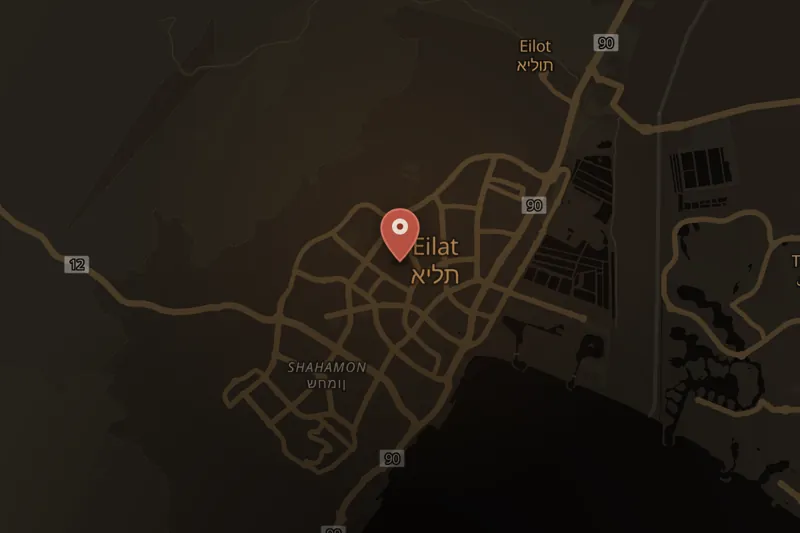
On 29 January 2007, a suicide bomber infiltrated the northern suburbs of Eilat, a Red Sea resort city in southern Israel. The bomber entered a neighbourhood bakery after noticing police approaching and detonated his explosives inside, killing three civilians: the bakery's two co-owners and an employee. This was the first suicide bombing to strike Eilat and the first attack to succeed against Israel since April 2006, though other attempts had reportedly been thwarted by Israeli security forces in the intervening period.
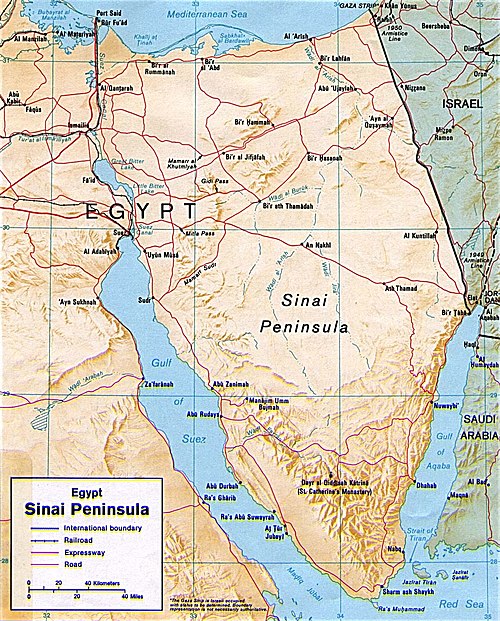
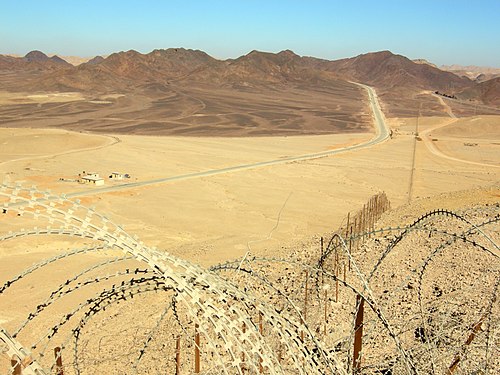
The bomber was identified as 21-year-old Muhammad Faisal al-Saqsaq (also referred to as al-Siksik), from Beit Lahia in the Gaza Strip, who had previously fought against Israeli forces in Jabalia and Beit Hanoun. Palestinian Islamic Jihad stated that he had set out from the West Bank, was smuggled into Jordan, and reached Eilat, where he was given explosives by militants after several months of preparation. Israeli Internal Security Minister Avi Dichter stated that the bomber had infiltrated from Egypt, reportedly crossing the fenceless 220-kilometer Israeli-Egyptian border roughly 30 kilometers from Eilat, possibly after passing through a tunnel under the Philadelphi Corridor.
On the day of the attack, the bomber hitchhiked with an Israeli man, IDF reserve Lieutenant Colonel Yossi Waltinsky, in the Simchon neighborhood. Waltinsky later said in a television interview that he had suspected something was wrong given the passenger's heavy clothing on a warm day and lack of Hebrew, but did not act until the man had left the vehicle. Waltinsky phoned police to report his suspicion that the man was a terrorist, a call made seven minutes before the bombing. Police dispatched two patrol cars, but the bomber reached a small bakery, reportedly intending only to stop for coffee before proceeding to another target. When he saw police approaching, he detonated the device, which he had carried in a backpack rather than an explosives belt.
Responsibility for the attack was claimed jointly by Palestinian Islamic Jihad, the Fatah-affiliated al-Aqsa Martyrs' Brigades, and a lesser-known group called the Islamic Brigade, occurring amid a period of factional violence among Palestinian groups. In Gaza, a crowd reportedly gathered outside the bomber's family home to praise the attack, with children pictured holding his photograph.
International reactions condemning the bombing came from Germany (then holding the EU presidency), Jordan's King Abdullah, Sweden's foreign minister, the United Kingdom's foreign secretary, and the White House, which said responsibility rested with the Palestinian Authority government. A memorial was later built near the attack site in memory of the three people killed.

 Credit: Wilson44691Public domainSourceUNSOLVEDListen