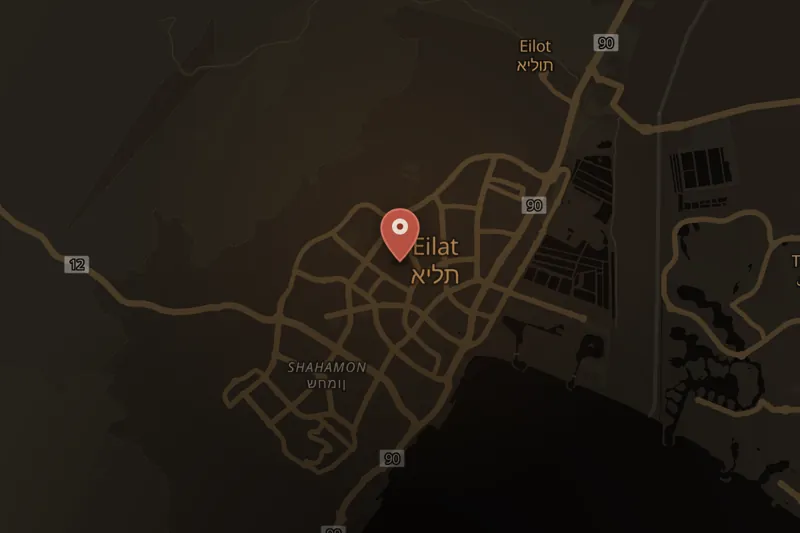
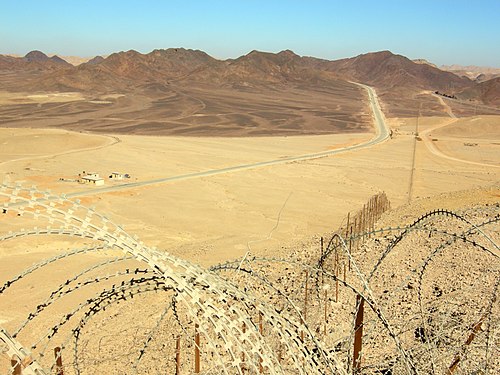
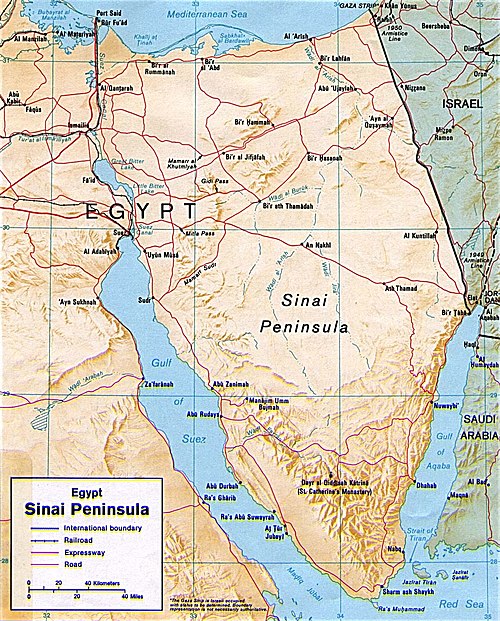
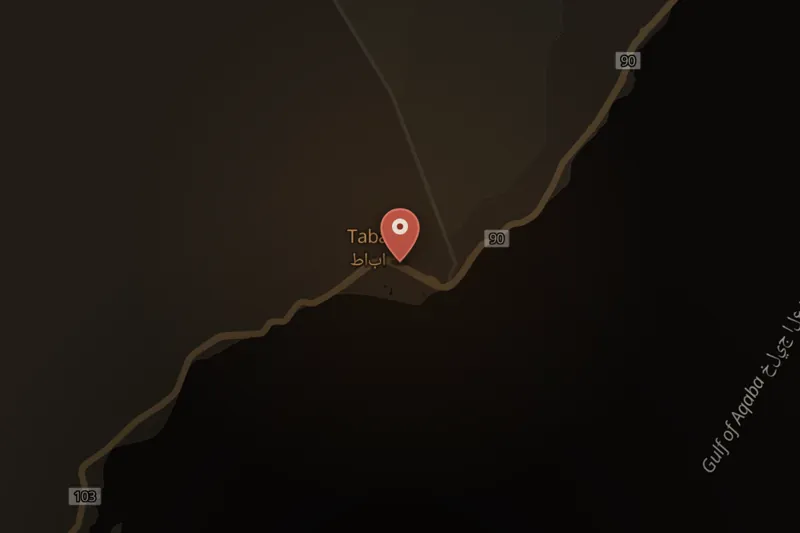
On 16 February 2014, a lone suicide bomber boarded a tourist coach parked at the Taba Border Crossing in Egypt, near the Israeli border, and detonated an explosive device. The bus was carrying more than 30 members of a South Korean church group, members of the Jincheon Jungang Presbyterian Church, who had traveled from Cairo to Saint Catherine's Monastery in the Sinai Peninsula and were waiting to cross into Israel when the blast occurred. The attack killed four people — three South Korean tourists and the Egyptian bus driver — and injured 17 others. Reports indicated the group had saved for years to visit biblical sites to mark the 60th anniversary of their church.
The following day, the Sinai-based jihadist group Ansar Bait al-Maqdis claimed responsibility for the bombing in a statement posted on jihadist forums, describing the attacker as one of its "heroes" and framing the bombing as part of an "economic war" against the Egyptian government. On 18 February, a Twitter account affiliated with the group warned tourists to leave Egypt by 20 February or face further attacks. Egyptian Islamist groups, including the Muslim Brotherhood, al-Gama'a al-Islamiyya, and the National Alliance to Support Legitimacy, condemned the bombing.
Analysts, including Issandr El Amrani of the International Crisis Group, noted the attack could signal a shift in strategy by jihadist groups operating in the Sinai insurgency, which had previously focused on Egyptian military and police targets rather than tourists, though he cautioned this could not be judged from a single attack. The bombing led many tour operators to cancel trips to the Sinai region, affecting Egypt's tourism industry, a significant part of the national economy.
The attack drew international condemnation. The European Union's High Representative Catherine Ashton condemned the bombing and expressed solidarity with victims. The U.S. State Department, through spokeswoman Jen Psaki, called it a "cowardly attack" targeting innocent tourists. The UK Foreign Office and the French foreign ministry also condemned the bombing and expressed solidarity with Egypt. South Korea's Foreign Ministry called it an "inhuman and unethical act" and introduced a travel ban for its citizens visiting Sinai and surrounding regions. The Arab League's Secretary-General Nabil al-Arabi denounced the attack as an assault on Egyptian tourism and regional stability. United Nations Secretary-General Ban Ki-moon condemned the bombing, offered condolences to Egypt and South Korea, and called for those responsible to be brought to justice; the UN Security Council issued a similar condemnation.
No individual has been publicly identified as charged or convicted in connection with this attack based on available reporting.

 Credit: Yael Bar Hilel (יעל בר הלל) / IDF Spokesperson's Unit photographerCC BY-SA 3.0SourceSOLVEDListen