Active case
2019 Sri Lanka Easter Bombings
Documents violence · crimes against children · ongoing investigation — written to inform, not to shock.

On 21 April 2019, Easter Sunday, a series of coordinated suicide bombings struck three churches and three luxury hotels in Sri Lanka. Two further, smaller explosions occurred later that day at a housing complex in Dematagoda and a guest house in Dehiwala. A total of 269 people were killed, most of them Christians, including at least 45 foreign nationals, three police officers, and eight suicide bombers; approximately 500 people were injured. Sri Lankan authorities said a second wave of attacks had been planned but was prevented through government raids.
The churches attacked were the Shrine of St. Anthony and St. Sebastian's Church, both Catholic, in Kotahena and Negombo respectively, and the Protestant Zion Church in Batticaloa. St. Sebastian's suffered the highest church death toll, with a later BBC report putting the figure at 115, including 27 children. The hotels targeted — the Shangri-La, Cinnamon Grand, and Kingsbury, all in Colombo — were struck largely during breakfast service. A related blast occurred at the Tropical Inn guest house in Dehiwala.
Sri Lankan government officials stated that all suicide bombers were Sri Lankan citizens linked to National Thowheeth Jama'ath (NTJ), a local Islamist militant group founded by Zahran Hashim. The Islamic State's Amaq News Agency claimed the attackers were IS fighters, and IS leader Abu Bakr al-Baghdadi later praised the attackers in a video; however, Sri Lanka's Criminal Investigation Department stated there was no evidence of ISIL's direct involvement, and investigators believed the attack was planned locally, with Zahran allegedly exaggerating his ties to IS.
Investigations later revealed that Indian intelligence had provided Sri Lankan authorities with specific advance warnings about the attack, including information from an ISIL suspect in Indian custody, as early as 4 April 2019 and again shortly before the bombings. These warnings were not acted upon or passed to senior politicians. On 12 January 2023, the Supreme Court of Sri Lanka ruled that then-President Maithripala Sirisena and other government authorities had failed to act on the intelligence, and ordered compensation be paid to victims.
In the aftermath, the government declared a state of emergency, imposed curfews, temporarily banned face coverings including the burqa and niqab, and temporarily blocked several social media platforms. A Presidential Commission of Inquiry and a Parliamentary Select Committee separately examined security failures; the latter was ordered terminated by President Sirisena. Following raids in Sainthamaruthu and elsewhere, several additional suspected attackers died, including relatives of Zahran Hashim. The trial of 25 men accused of masterminding the bombings began in November 2021, with defendants facing more than 23,000 charges including conspiracy to murder.

Key facts
- Victims
- Shantha Mayadunne
- Date
- 2018
- Location
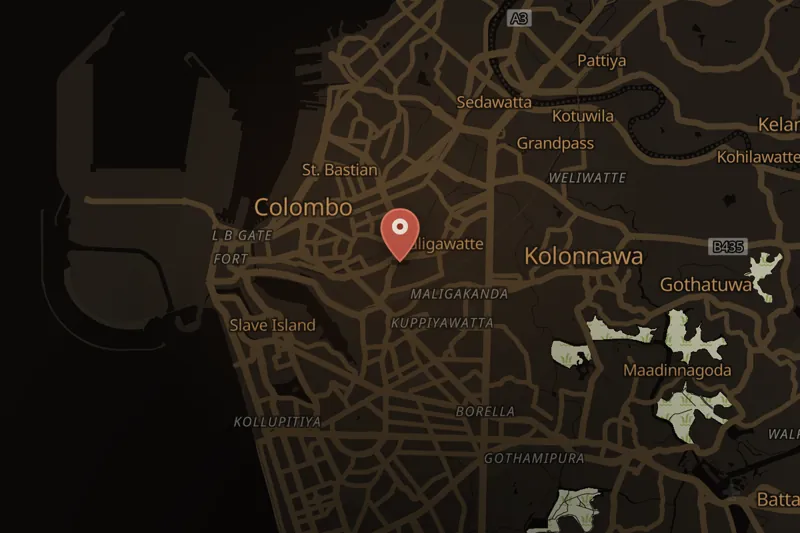
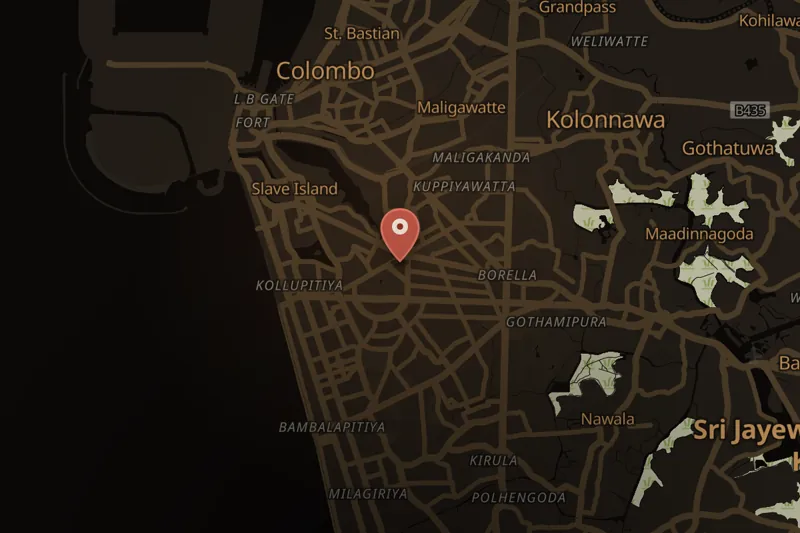
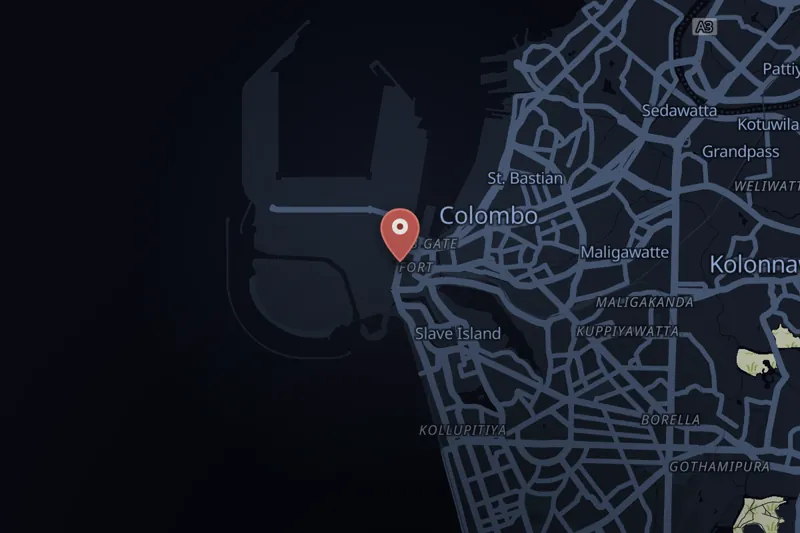
- Colombo and multiple locations, Sri Lanka
- Case status
- ongoing
Case timeline
2018-08
Colombo Magistrate's Court reportedly issued an arrest warrant for chief suspect Zahran Hashim based on a Terrorism Investigations Division report.
2019-01
A stockpile of explosives, including 100 kilos of high explosives and 100 detonators, was discovered near Wilpattu National Park, described by police as belonging to a newly formed radical Muslim group.
2019-04-04
Indian intelligence agencies provided specific information to Sri Lankan authorities about planned attack methods and targets.
2019-04-16
A parked motorcycle carrying explosives detonated without casualties in Kattankudy during a lightning storm.
2019-04-21
Coordinated suicide bombings struck three churches and three hotels in Sri Lanka; two further blasts occurred later at a housing complex in Dematagoda and a guest house in Dehiwala, killing 269 people and injuring about 500.
2019-04-22
President Sirisena declared a state of emergency; the Special Task Force detonated three bombs found in a van near St. Anthony's Shrine during a defusing attempt.
2019-04-23
Amaq News Agency claimed the attackers were Islamic State fighters; State Minister of Defence Ruwan Wijewardene theorized the attack was retaliation for the Christchurch mosque shootings.
2019-04-25
The Criminal Investigation Department released names and photos of six wanted suspects; Prime Minister Ranil Wickremesinghe revealed the government had prior knowledge of Sri Lankan nationals who had joined Islamic State.
2019-04-26
A search operation in Sainthamaruthu led to a shootout in which three suicide bombers and nine of their family members died, and three others were shot by soldiers.
2019-04-28
President Sirisena banned face coverings that hinder identification, including the burqa and niqab, under emergency law.
2019-06-10
The Presidential Commission of Inquiry's final report on the bombings was presented to President Sirisena.
2020-03-29
A suspect described as the mastermind of the Zion Church bombing was arrested in Mount Lavinia.
2021-01
The United States Department of Justice charged three Sri Lankans with supporting terrorism for their participation in the bombings.
2021-11
The trial of 25 men accused of masterminding the bombings began.
2023-01-12
The Supreme Court of Sri Lanka ruled that former President Maithripala Sirisena and other government authorities failed to act on intelligence, ordering compensation for victims.
2024
A woman injured in the St. Sebastian's Church bombing died of her injuries, becoming the 270th recorded victim.
Best coverage
No approved coverage links are attached yet.
People
Shantha Mayadunne
VICTIMSri Lankan TV chef killed in the bombings; her daughter was also among the victims.
citation on file
Zahran Hashim
CHARGEDFounder of National Thowheeth Jama'ath, identified by Sri Lankan authorities and Amaq News Agency as the attack's mastermind; died in a Sainthamaruthu raid.
citation on file
Pujith Jayasundara
LAW ENFORCEMENTInspector General of Police at the time of the attacks; faced criticism and a criminal investigation over failure to act on intelligence warnings.
citation on file
Hemasiri Fernando
LAW ENFORCEMENTFormer Defence Secretary; investigated to determine whether he failed to act on intelligence warnings about the attack.
citation on file
Maithripala Sirisena
LAW ENFORCEMENTPresident of Sri Lanka at the time; the Supreme Court ruled he and other officials failed to act on intelligence warnings and ordered compensation to victims.
citation on file
Places
Common questions
- What happened to the victim?
- On Easter Sunday, 21 April 2019, coordinated suicide bombings struck three churches and three luxury hotels in Sri Lanka, followed by two smaller blasts, killing 269 people and injuring about 500 in one of the deadliest terrorist attacks in the country's history.
- Where did the crime happen?
- Colombo and multiple locations, Sri Lanka.
- What is the current status of the case?
- Status: ongoing.
Sources
- 2019 Sri Lanka Easter bombingswikipedia · Wikipedia · 2026-07-07
- Sri Lanka explosions: dozens killed and hundreds injured in church and hotel blastsnews · The Guardian · 2026-07-07
- Sri Lanka attacks: Live coverage of the Easter Sunday bombingsnews · BBC News · 2026-07-07