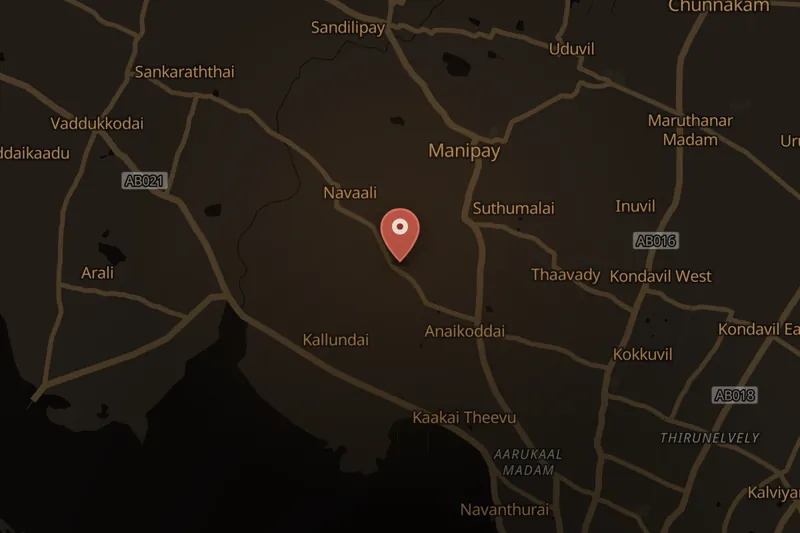
Black July refers to a period of anti-Tamil violence that occurred in Sri Lanka in late July 1983, widely regarded as marking the start of the Sri Lankan civil war. The violence was triggered by an ambush carried out by the Liberation Tigers of Tamil Eelam (LTTE) on 23 July 1983 near Jaffna, in which a Sri Lankan Army patrol was attacked, killing 13 soldiers (a total of fifteen when later fatalities were included). The article states the pogrom was premeditated and that, although initially orchestrated by members of the ruling United National Party (UNP), it escalated into mass violence with significant public participation.
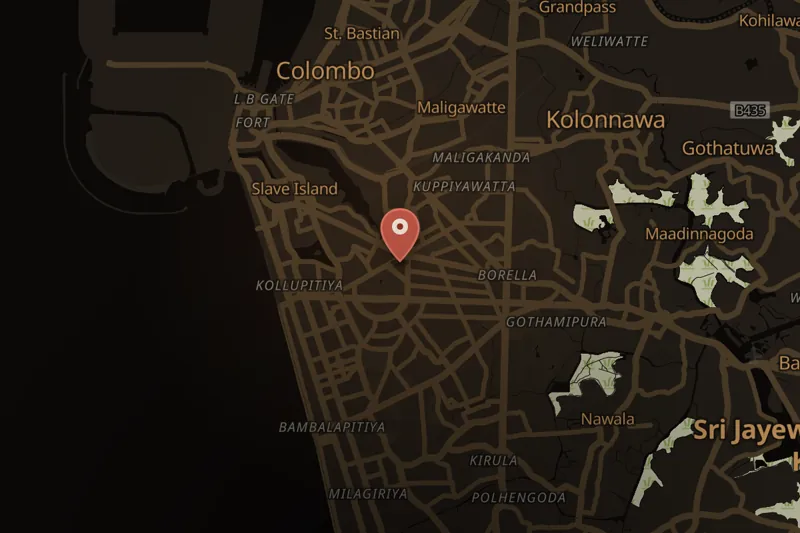
Rioting began in Colombo on the night of 24 July 1983, following tensions at a funeral procession for the killed soldiers, and spread over the following week to other parts of the country, including Kandy, Trincomalee, Nuwara Eliya, Badulla, and Matale. Sinhalese mobs, per the source, attacked, burned, looted, and killed Tamil civilians, with violence later extending to Indian nationals and Indian-linked institutions such as the Indian High Commission and the Indian Overseas Bank. The source describes mobs using voter registration lists and typewritten lists of Tamil-owned properties to identify targets, and states this implied prior organization. A notable incident cited is the Welikada Prison massacre on 25 July, in which 53 Tamil prisoners were killed by Sinhalese prisoners, with the prison superintendent later testifying that "the army aided and abetted" the killings.
Casualty and damage estimates vary widely according to the source. Government figures initially cited around 300 deaths, while various NGOs and international agencies estimated between 400 and 3,000 killed. The Tamil Centre for Human Rights put the toll at 5,638 killed, alongside thousands injured, missing, or raped, and up to 250,000 internally displaced. The source states around 18,000 homes and 5,000 shops were destroyed, with economic losses estimated at $300 million, and that the International Commission of Jurists described the violence as amounting to "acts of genocide" in a December 1983 report.
The source describes senior government figures, including President J. R. Jayewardene and cabinet ministers, as having been accused of complicity or of publicly justifying the violence in its aftermath, with eyewitness accounts alleging that police and military personnel in some instances did not intervene or joined the rioting. A presidential commission under a later government estimated nearly 300 deaths and 18,000 destroyed establishments and recommended restitution; according to the source, no restitution has been paid and no criminal proceedings have been brought against anyone involved.
The events are described as having led to a dramatic increase in recruitment to Tamil militant groups, which grew from small numbers to thousands of members, and prompted large-scale emigration of Sri Lankan Tamils, with July becoming an annual period of remembrance among the global Tamil diaspora.


 Credit: Meera2k19CC BY-SA 4.0SourceONGOINGListen