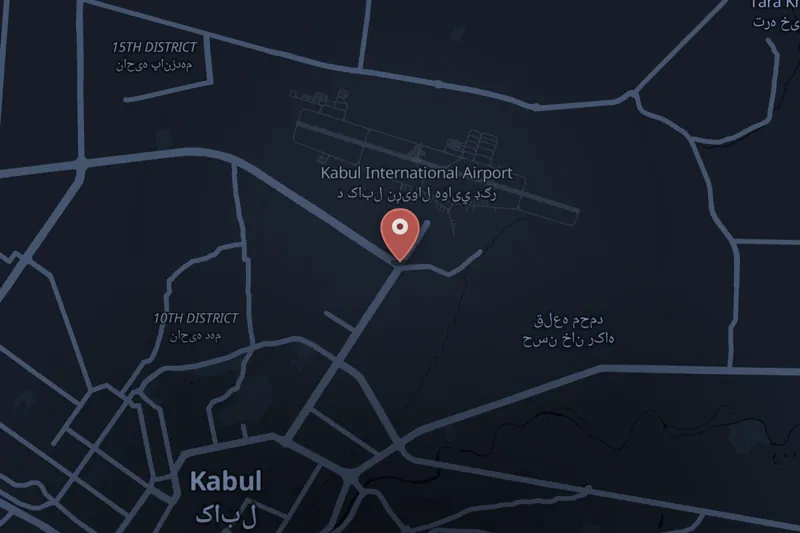
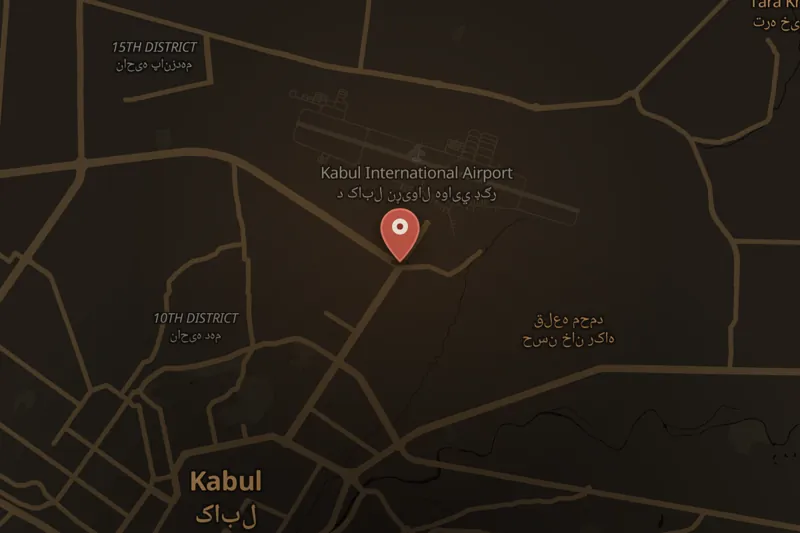
On the morning of 19 April 2016, Taliban militants attacked a security team responsible for protecting government VIPs in Kabul, Afghanistan. The assault began with a suicide bomber detonating a vehicle laden with what local broadcaster TOLOnews described as "hundreds of kilograms of explosives." Militants then moved into the compound of "Department 10" of the National Directorate of Security (NDS) and opened fire, leading to a two-hour gun battle with security forces.
The bombing caused a ceiling to collapse in a classroom where elite intelligence officers were being trained. An Afghan security official said members of that unit accounted for about half of those killed. The attack was described as the Taliban's biggest strike on an urban area since 2001.
Sediq Sediqi, spokesman for the Afghan Interior Ministry, said that despite the apparent target, most of the victims were civilians. Ismail Kawasi, spokesman for the Public Health Ministry, said 327 wounded had been brought to area hospitals. On 20 April 2016, Sediqi confirmed via Twitter that 64 "innocent Afghans" were killed and 347 wounded. Taliban spokesman Zabihullah Mujahid claimed responsibility for the attack and said as many as 92 security staff and soldiers were killed; the attack came shortly after the Taliban announced its annual spring offensive, Operation Omari.
The attack drew domestic and international reaction. Afghan President Ashraf Ghani said the attack demonstrated that the Taliban were growing weak and resorting to asymmetric warfare, a characterization echoed by NATO Resolute Support Mission commander General John W. Nicholson Jr. Some Afghan parliamentarians condemned Ghani for failing to provide adequate security. Women's rights activist Wazhma Frogh noted on Twitter that the attack occurred near schools, with parents attempting to protect their children.
Internationally, the United Nations Security Council said those responsible should be brought to justice. Indian Prime Minister Narendra Modi offered condolences via Twitter. Turkey's Foreign Ministry condemned the attack and expressed support for the Afghan government's fight against terrorism. In the United States, White House spokesman Josh Earnest called on the Taliban to cease activities harming civilians and pursue peace, while the U.S. Embassy in Kabul said the attack underscored the continued harm the Taliban inflicted on the Afghan people.

 Credit: Fritz Rudolf LoewaCC BY-SA 3.0SourceUNSOLVEDListen