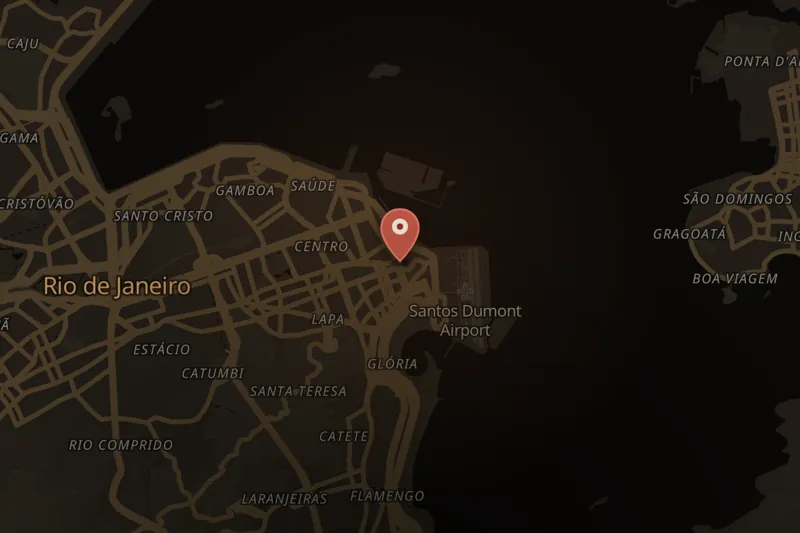
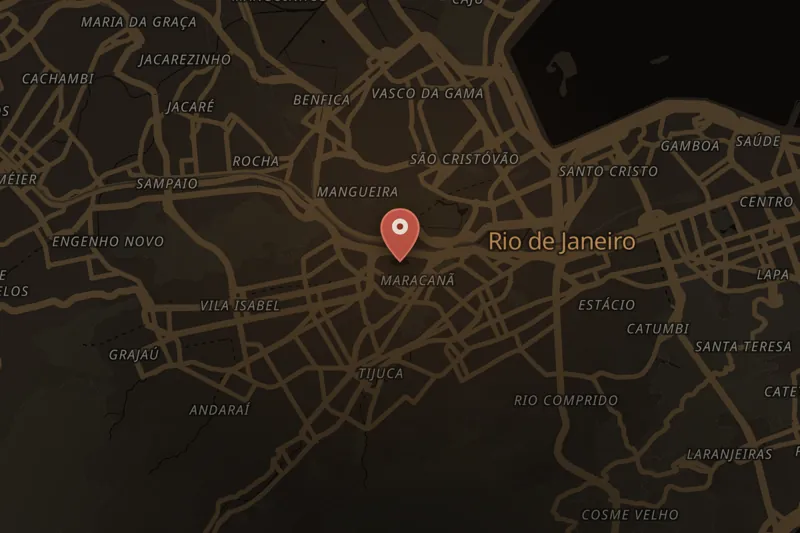
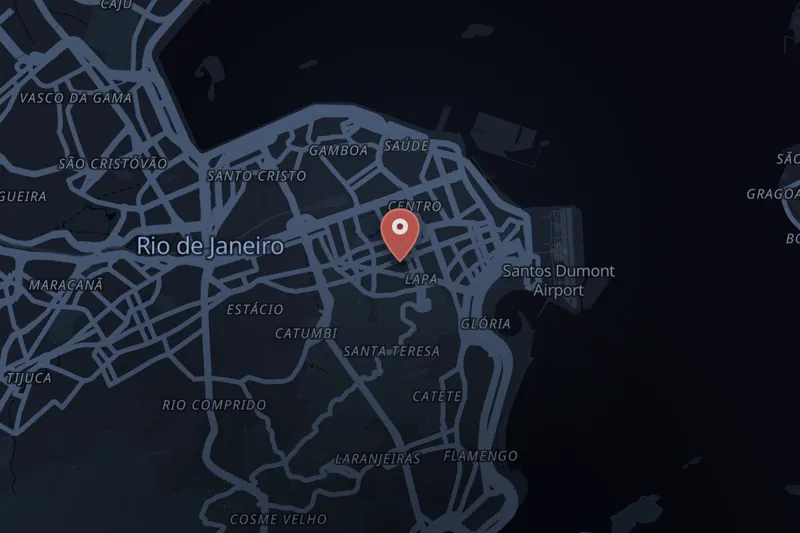
Marielle Franco, a Rio de Janeiro city councilwoman and human-rights activist, was fatally shot on 14 March 2018 in the Estácio neighborhood of Rio de Janeiro, Brazil. She had left an event at Casa das Pretas in Lapa when a car pulled alongside her vehicle and its occupants opened fire. Franco and her driver, Anderson Gomes, were killed. A parliamentary aide riding with them was wounded by shrapnel and survived. Police stated the vehicle had been followed for approximately four kilometers before the attack, and that no property was taken from the victims, supporting an early theory that the killing was a targeted execution.
The subsequent investigation was lengthy and, at points, contentious. Forensic analysis identified the ammunition as 9mm rounds from a lot originally sold to Brazil's Federal Police, matching ammunition used in a separate 2015 mass killing in Barueri and Osasco, São Paulo. Later reenactment evidence indicated the weapon used was actually an HK MP5 submachine gun rather than a pistol. Investigators pursued multiple leads over several years, including militia networks in Rio's West Zone, a cloned getaway vehicle, and testimony pointing to political and business motives connected to Franco's activism against militia-linked interests and police violence.
In March 2019, retired Military Police Sergeant Ronnie Lessa and former officer Élcio Vieira de Queiroz were arrested under "Operation Lume," accused of being the shooter and driver, respectively. Both later confessed. On 31 October 2024, a jury convicted Lessa and Queiroz, sentencing them to 59 and 78 years in prison, respectively.
The question of who ordered the killing took years longer to resolve. On 24 March 2024, federal lawmaker Chiquinho Brazão and his brother Domingos Brazão, an auditor for Rio de Janeiro's Court of Accounts, were arrested on suspicion of masterminding the attack. Former Rio police chief Rivaldo Barbosa, who had at one point led the investigation into Franco's death, was also arrested on obstruction-of-justice and corruption allegations. On 9 May 2024, Brazil's Attorney General's Office formally indicted the Brazão brothers and Barbosa for ordering the murder. On 25 February 2026, the Supreme Federal Court unanimously convicted the Brazão brothers, sentencing each to 76 years in prison, in a trial before the Court's First Panel that also involved other defendants, including Rivaldo Barbosa.
Ancillary prosecutions addressed obstruction of the investigation: in May 2024, former officer Rodrigo Ferreira and lawyer Camila Nogueira were convicted and sentenced to four years and six months for obstruction, and in September 2024 a chop-shop owner, Edilson Barbosa dos Santos, was sentenced to five years for dismantling the car used in the attack. The case drew significant national and international attention, including condemnation from Amnesty International and a formal expression of regret from the Portuguese Parliament, reflecting concern over threats to human-rights defenders and political violence in Brazil.


 Credit: FulviusbsasPublic domainSourceSOLVEDListen