Skip to content
Casepin

Ongoing case · 2015

Assassination of Shuja Khanzada

ONGOINGCONVICTED

Ongoing case: this file carries charge-sheet facts only. Anyone charged is presumed innocent unless convicted.

Updated
Updated Jul 7, 2026
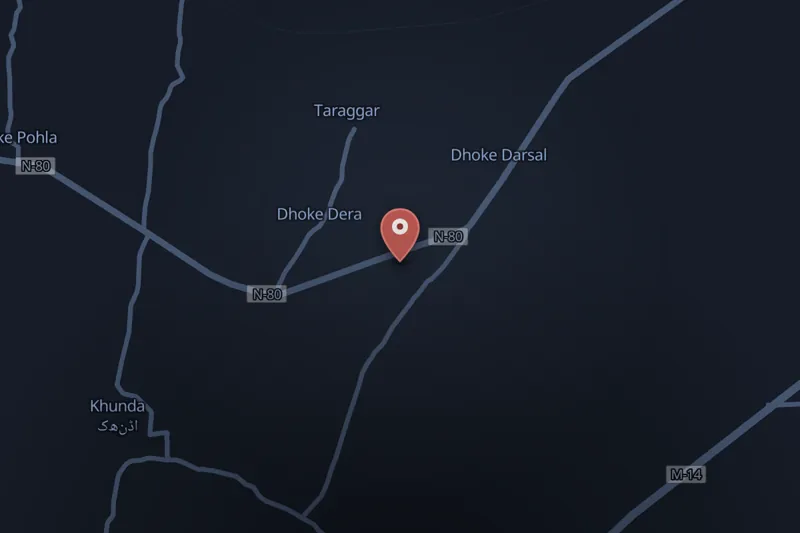
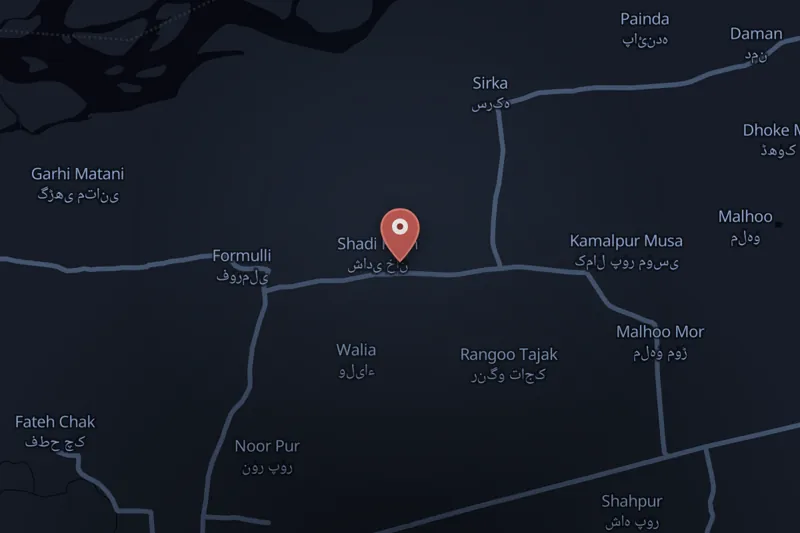
Shadi Khan village, Attock District, Punjab, PakistanView on the map

The short answer

Assassination of Shuja Khanzada in brief

On 16 August 2015, two suicide bombers attacked the political office of Punjab Interior Minister Shuja Khanzada in Shadi Khan village, Attock District, killing him and 18 others in a bombing claimed by Lashkar-e-Jhangvi with alleged Tehrik-i-Taliban Pakistan involvement.

Key facts

Year
2015
Place
Shadi Khan village, Attock District, Punjab, Pakistan
Status
ONGOINGOngoing
Victim
Shuja Khanzada
Outcome
Convicted: Qasim Muavia

The coverage index

Where to watch & listen

No one's coverage is attached to this file yet.

Know great coverage of this case?

A documentary, a podcast episode, a careful long-form video. Suggest it and an editor will review it before it appears here.

Suggest coverage for Assassination of Shuja Khanzada

The case file

What happened

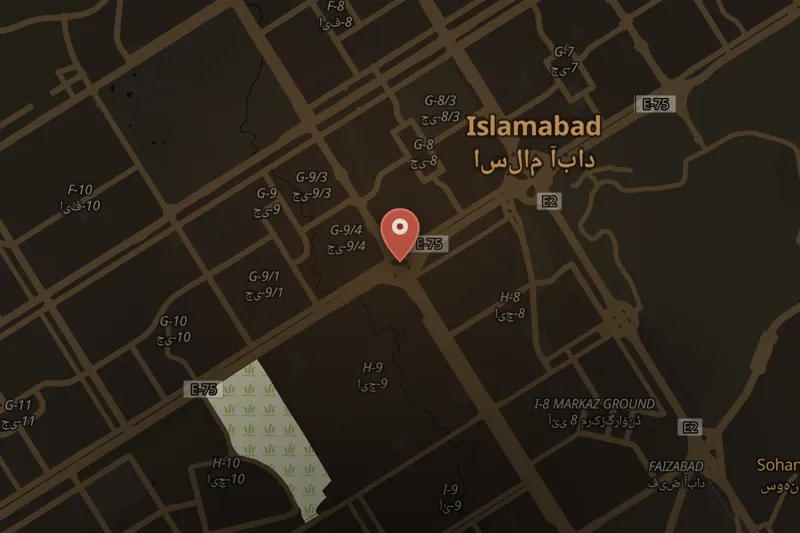
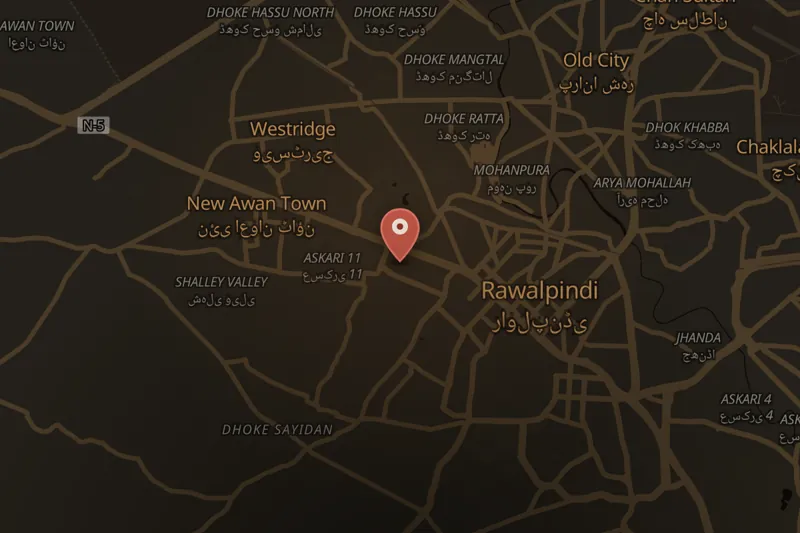
On Sunday, 16 August 2015, Punjab Interior Minister Shuja Khanzada, aged 71, was killed along with 18 other people when two suspected suicide bombers detonated explosives at his political office in the village of Shadi Khan, Attock District, roughly 80 km (50 mi) from Islamabad. At least 17 additional people were injured and hospitalised. Khanzada had been meeting with relatives and friends at his home office to condole the death of a relative who had died in the United Kingdom when the attack occurred.

According to the initial investigation, the two attackers were carrying a combined 15 kg (33 lb) of explosives, and their apparent intent was to cause the building to collapse. The first bomber reportedly entered Khanzada's home office, shook his hand, and detonated his device while standing next to a pillar on the veranda. A second bomber, believed to have been standing in the street next to the building, then detonated his own explosives, causing the building to collapse; the falling roof trapped people under rubble.

Lashkar-e-Jhangvi (LeJ), a Deobandi militant group with ties to Al-Qaeda, claimed responsibility for the attack. A preliminary investigation suggested the bombing may have been retaliation for the killing of LeJ militant leader Malik Ishaq by the Punjab Police. A later investigation conducted by the Counter Terrorism Department (CTD) of the Punjab Police together with Inter-Services Intelligence determined that Tehrik-i-Taliban Pakistan was also involved.

On 1 October 2015, the CTD raided a house in Iqbal Town, Lahore, killing four people suspected of involvement in the bombing. In September 2015, a suspect named Qasim Muavia was arrested. In August 2017, two years after his arrest, the Punjab government transferred his trial to a military court, stating that the civilian court process was taking too long. An additional suspect was arrested in March 2016, and in October 2017, another suspect was killed during a confrontation with police.

The attack drew strong condemnation within Pakistan, including from Prime Minister Nawaz Sharif and Chief of Army Staff General Raheel Shareef. Internationally, United Nations Secretary-General Ban Ki-moon condemned the attack and called for justice against those who planned it. The United States also condemned the bombing; the U.S. Embassy in Islamabad issued a statement offering assistance to Pakistani authorities investigating the attack, saying it supported Pakistan's determination to bring those responsible to justice.

6 dated entries · 2015–2017

Timeline

  1. Two suspected suicide bombers detonate explosives at Shuja Khanzada's political office in Shadi Khan, Attock District, killing Khanzada and 18 others and injuring at least 17.

  2. Suspect Qasim Muavia is arrested in connection with the bombing.

  3. Counter Terrorism Department raids a house in Iqbal Town, Lahore, killing four people suspected of involvement in the attack.

  4. An additional suspect is arrested.

  5. Punjab government transfers Qasim Muavia's trial to a military court, citing delays in civilian court proceedings.

  6. Another suspect is killed during a confrontation with police.

2 named in this file

People

Victims first. Every legal label is set from public records and court outcomes, not from the prose.

  • Shuja Khanzada

    VICTIM

    Punjab Interior Minister, killed in the 16 August 2015 bombing of his political office.[3]

  • Qasim Muavia

    CONVICTED

    Convicted on 22 November 2020 by an Anti-Terrorism Court in Rawalpindi under Section 5 of the Explosive Substances Act 1908 (not directly for the murder itself, which investigators could not conclusively link him to) and sentenced to 10 years' rigorous imprisonment, with the sentence backdated to his September 2015 arrest; prosecutors said he conducted reconnaissance and tipped off the attackers who killed Punjab minister Shuja Khanzada and 16 others on 16 August 2015.[3]

From the record

Quick answers

Who was convicted?
Qasim Muavia: Convicted on 22 November 2020 by an Anti-Terrorism Court in Rawalpindi under Section 5 of the Explosive Substances Act 1908 (not directly for the murder itself, which investigators could not conclusively link him to) and sentenced to 10 years' rigorous imprisonment, with the sentence backdated to his September 2015 arrest; prosecutors said he conducted reconnaissance and tipped off the attackers who killed Punjab minister Shuja Khanzada and 16 others on 16 August 2015.

3 cited

Sources

Coverage is not a source: every fact in this file rests on the records below.

  • 2 Press
  • 1 Encyclopedic
  1. Contemporaneous coverage — BBC News

    PressBBC NewsAccessed Jul 10, 2026

  2. Contemporaneous coverage — en.dailypakistan.com.pk

    Pressen.dailypakistan.com.pkAccessed Jul 10, 2026

  3. Assassination of Shuja Khanzada

    EncyclopedicWikipediaAccessed Jul 10, 2026

Trust

Record history

First published
Jul 11, 2026
Corrections
None

Are you family of someone named in this file? Corrections and removal requests from victims’ families are prioritized.