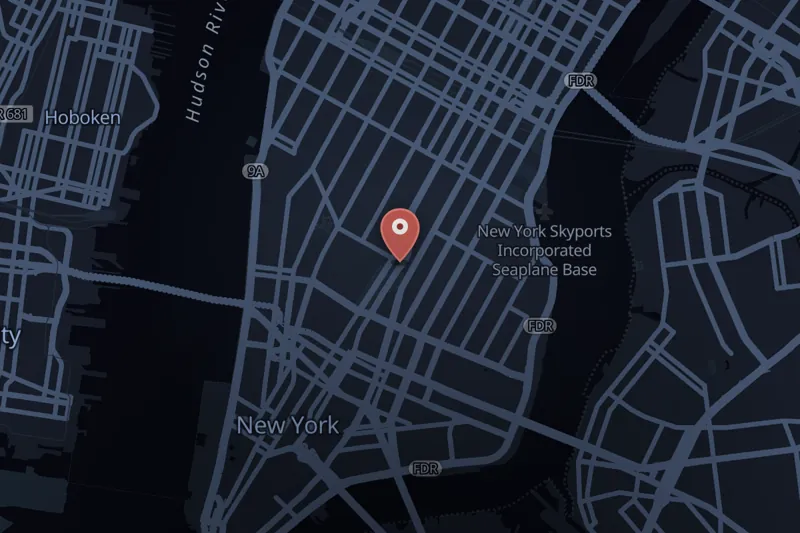
The Astor Place Riot took place on May 10, 1849, outside the Astor Opera House in Manhattan, and remains one of the deadliest civic disturbances in the city's history, leaving between 22 and 31 rioters dead and more than 120 people injured. At the time it produced the largest number of civilian casualties from military action in the United States since the American Revolutionary War.
The immediate spark was a rivalry between American actor Edwin Forrest and English actor William Charles Macready, both known for performing Shakespeare's major roles. Their personal and professional rivalry took on broader significance amid tense Anglo-American relations, growing anti-British sentiment among working-class Americans and Irish immigrants, and class tensions between Forrest's largely working-class supporters and Macready's Anglophile, upper-class backers. The Astor Opera House itself, with its dress code and elite clientele, was seen by many working-class New Yorkers as a symbol of class division.
Three nights before the riot, on May 7, 1849, Forrest's supporters disrupted Macready's performance of Macbeth at the Astor Opera House by throwing objects at the stage and shouting him down. Macready considered leaving the country but was persuaded to continue by a petition from prominent New Yorkers, including Herman Melville and Washington Irving. He returned to the stage on May 10.
On the day of the riot, city officials, anticipating unrest, called out the state militia. Tammany Hall figure Isaiah Rynders, a backer of Forrest, organized handbills urging working men to attend and voice opposition to Macready's performance. By the time the play began, a crowd of up to 10,000 people had gathered outside the theater. Rioters, including dime novelist Ned Buntline and his followers, bombarded the building with stones and attempted to set it on fire. Militia troops arrived and were attacked before ultimately opening fire into the crowd, first into the air and then directly at close range. Most of those killed were working-class New Yorkers, including seven Irish immigrants.
The following night, a public meeting in City Hall Park drew further unrest, including renewed clashes between crowds and mounted troops; a boy was killed during the disturbance. In total, between 22 and 31 rioters were killed and 48 wounded, with dozens of police and militia also injured. A related trial was presided over by three judges, including Charles Patrick Daly. The Astor Opera House closed within a short time afterward due to its association with the violence, and the city's theater culture increasingly separated into distinct "respectable" and "working-class" venues. The riot also contributed to increased militarization of city police, including riot-control training and heavier equipment.