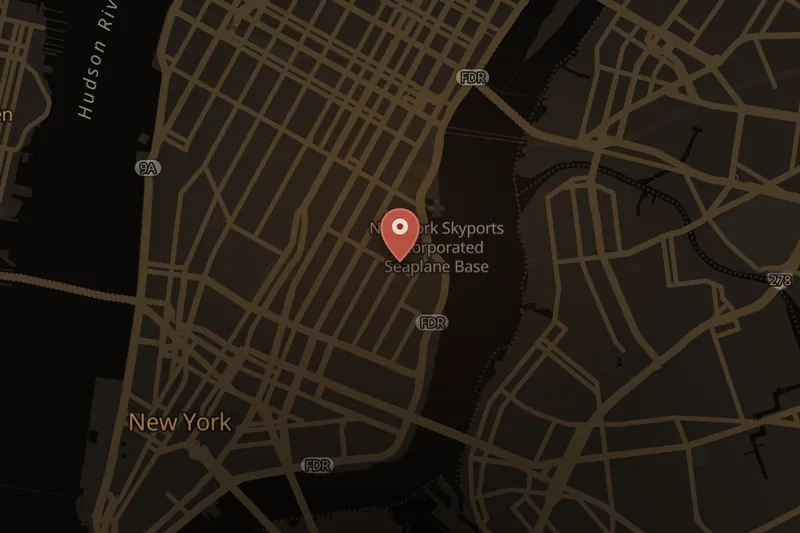
In the spring of 1915, two children were killed in separate attacks on the East Side of Manhattan, New York City. On the evening of March 19, 1915, five-year-old Leonore Cohn was sent by her mother, Anna Cohn, to buy a pail of milk. As she returned to her family's apartment, she was choked unconscious, stabbed multiple times with a sharp knife, and mutilated. A neighbor, Augusta Johnson, found her still alive after hearing whimpering, but Leonore died shortly after an ambulance surgeon arrived. Investigators found a clump of gray hair clutched in her hand, bruising suggesting a large-handed assailant, fingerprints on her body and on the milk pail, and a piece of lemon candy she had been eating, though no local store sold that variety. Twenty detectives were assigned to the case.
On May 3, 1915, four-year-old Charles Murray was strangled, stabbed, mutilated, and disemboweled beneath a staircase in his family's tenement at 270 First Avenue. His family discovered his body after failing to find him following play outside. His sister reported seeing a "strange" man leave the building, though police later dismissed this account. The murder was linked to Leonore Cohn's killing, and eighty additional detectives were assigned, bringing the total investigative force to one hundred. Shortly before Charles's murder, a six-year-old girl nearby was accosted by a well-dressed, mustached man in a black derby hat, who fled when neighbors responded to her screams.
Following Leonore's death, her mother began receiving letters signed "Jack-the-ripper," referencing the London serial killer, boasting the writer would evade capture and threatening further child murders. Police forwarded the letters to federal postal inspectors. On April 29, 1915, 27-year-old Edward Richman was arrested in connection with the letters but was cleared after further letters arrived disclaiming his involvement. Fingerprints on the letters were too blurred for identification. A separate letter, written in pencil rather than ink and with distinct handwriting, was sent to Charles Murray's mother, prompting her collapse upon reading it.
The murders caused widespread hysteria across New York City and the surrounding tri-state area. Residents chased, beat, and threatened to lynch several men wrongly suspected of being the perpetrator, including one incident on May 7, 1915, involving a stabbed twelve-year-old boy. Rumors of an arrest on May 17 drew a crowd of roughly 1,000 people to a police station. Several hoax letters and notes were traced to local individuals, including two girls and an eighteen-year-old woman, who admitted writing them as pranks or out of spite. In Newark, a large group of schoolchildren and police detained multiple suspects, all of whom were later cleared. Despite the extensive investigation, no perpetrator was ever identified or convicted, and the murders remain officially unsolved.