Background
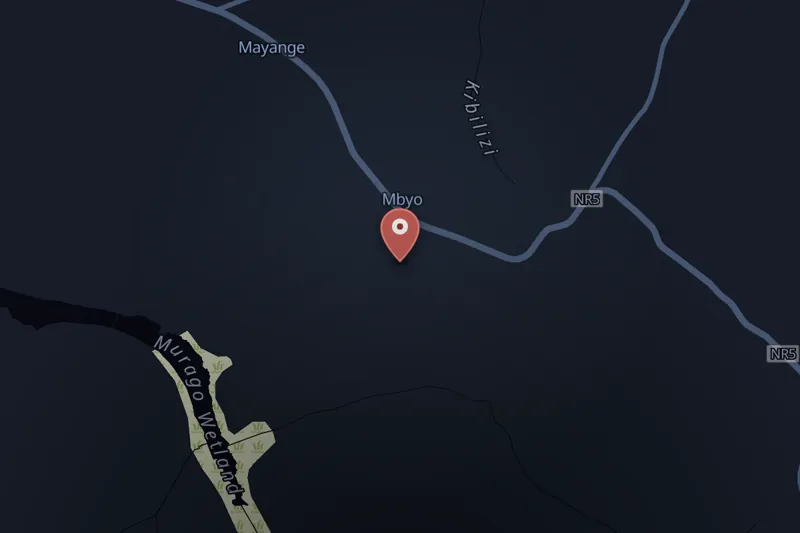
Bugesera is a district southeast of Kigali, near the border with Burundi, made up of the sectors of Kanzenze, Gashora and Ngenda. Tutsi families had been forcibly resettled there after November 1959, when the Nyamata refugee camp was created, and in some areas they made up as much as 40% of the local population.
Role of the media
In the early 1990s the state broadcaster Radio Rwanda came under the influence of Hutu extremists who used it to spread ethnic propaganda. In 1992, Ferdinand Nahimana ordered Radio Rwanda to broadcast false claims that the Rwandan Patriotic Front (RPF) had drawn up a list of Hutus to be assassinated. In late February or early March 1992, the station broadcast a leaflet falsely attributed to the Liberal Party and to a "Committee for Non-Violence in Rwanda," warning of a supposed "destabilization plan" involving infiltration by "foreign terrorist agents." The claim was repeated over several days. Around the same time, Hassan Ngeze, director of the magazine Kangura, traveled to Rwanda and distributed leaflets on March 1 warning of an attack by the "Inyenzi," using language historian Alison Des Forges characterized as a "mirror accusation" — attributing to Tutsi the violence that Hutu extremists were themselves preparing.
The massacres
Beginning on 4 March 1992, Tutsi residents in several Bugesera localities were attacked; the violence continued through 10 March. Attacks were nominally led by civilians under local mayors, but witnesses described armed men brought in from outside, including Interahamwe and Rwandan Armed Forces (FAR) soldiers, some from the presidential guard. FAR personnel disarmed Tutsi trying to defend themselves and blocked access to the Nyamata parish, while civil and military authorities gathered Tutsi at sites such as municipal offices where they were then killed. Churches where civilians spontaneously sought refuge were not entered by attackers, though access to food and water was cut off. Jean-Baptiste Gatete, later mayor of Murambi and subsequently convicted by the International Criminal Tribunal for Rwanda (ICTR), participated in the massacres.
Rwanda's Interior Minister at the time, Sylvestre Nsanzimana, put the death toll at 60, while opposition figures reported 150 deaths and said thousands of Tutsi were left homeless after homes were burned. The Rwandan government's later final figure was 182 dead. The mayor of Kanzenze, Fidèle Rwambuka, initially denied knowledge of the massacres' origins before presenting a letter attempting to justify the violence on grounds of alleged "defamation" by Tutsi activists; contemporary reports attributed responsibility to Rwambuka and the sub-prefect from the outset. The French embassy sent staff and gendarmerie to the area on 9 March.
Aftermath
Following formation of a coalition government in April 1992, political pressure led to Nahimana's dismissal from his post as director of the Rwandan Information Office, though he faced no further sanction; he went on to found Radio Télévision Libre des Mille Collines (RTLM), which played a central role in inciting the 1994 genocide. Kigali prosecutors arrested roughly 450 people, most released quickly; ten months later no one had been tried and survivors had received no restitution.

 Credit: unknown, United States Central Intelligence AgencyPublic domainSourceUNSOLVEDListen