Casepin
Back to cases

Case file

Camp Grant massacre

SOLVED1871Near Camp Grant, Aravaipa Creek, Arizona Territory3 SOURCESUPDATED JUL 2026
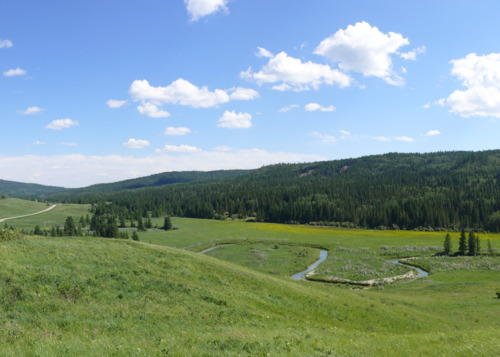
Illustrative

On the morning of April 30, 1871, a party of six Anglo Americans, 48 Mexican Americans, and 92 Tohono O'odham attacked an encampment of Aravaipa and Pinal Apache people along Aravaipa Creek near Camp Grant, in Arizona Territory. The Apaches at the camp had surrendered to the U.S. Army earlier that year and were living under an arrangement established by First Lieutenant Royal Emerson Whitman, the post commander, who had begun feeding and sheltering Apache bands that came to Camp Grant seeking safety. By spring 1871, nearly 500 Aravaipa and Pinal Apache, including Chief Eskiminzin, were camped near the post, cutting hay and working local fields.

Tensions had been building among Tucson-area settlers, some of whom formed a vigilante group, the Committee of Public Safety, led by William S. Oury and Jesús María Elías, blaming regional raids on the Camp Grant Apache. After a raid on livestock near San Xavier in April 1871, Elías and Oury organized an armed party that marched to Aravaipa Canyon and surrounded the Apache camp at dawn. Most Apache men were away hunting at the time. Tohono O'odham fighters carried out most of the direct attack while Anglo and Mexican American participants targeted those attempting to flee. A total of 144 Aravaipa and Pinal Apache were killed; all but eight of the dead were women and children, and most bodies were scalped. Twenty-nine Apache children were captured, and 27 of them were sold into slavery in Mexico; two escaped and returned to relatives.

In the aftermath, Whitman searched for survivors, buried the dead, and sent word to Apache men in the mountains that soldiers had not participated in the attack. Many local settlers viewed the killings as justified. Word reached the press and U.S. military leadership, who described the event as a massacre. President Ulysses S. Grant threatened to impose martial law on Arizona Territory if the perpetrators were not tried. In October 1871, a Tucson grand jury indicted 100 people on 108 counts of murder; the trial that December ended in a not-guilty verdict after 19 minutes of jury deliberation.

Following the massacre, Apache survivors sought unsuccessfully to recover the abducted children; officials located only six of the 27 taken, and no records survive documenting the fate of the rest. In 1873, fear of further violence led many Aravaipa and Pinal survivors to relocate to the San Carlos Reservation. Some returned to Aravaipa Canyon in 1877, but renewed threats of mob violence in 1887 caused further displacement. The massacre and subsequent unrest also fed into broader regional conflict, including George Crook's Tonto Basin Campaign of 1872–1873, that continued until 1875.

Key facts

Victims
Captain Chiquito, Eskiminzin
Date
1871
Location
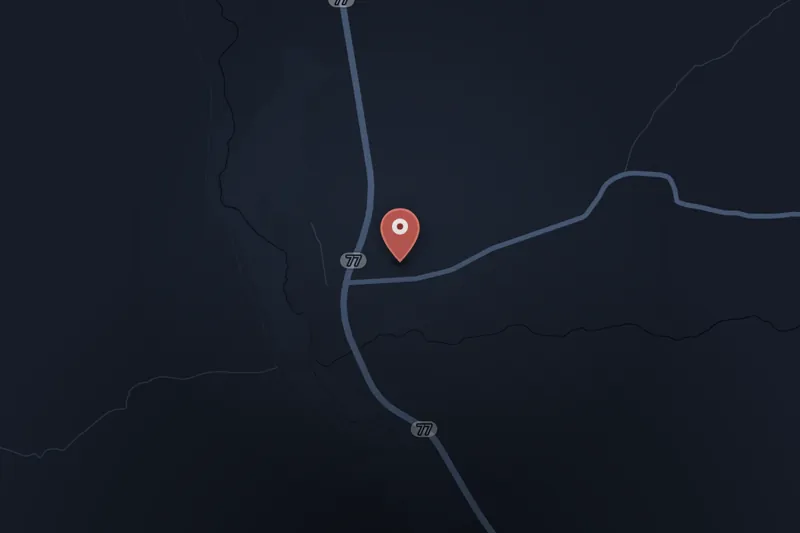
Near Camp Grant, Aravaipa Creek, Arizona Territory
Case status
solved

Case timeline

  1. 1871-02

    Apache women arrive at Camp Grant seeking a captured relative; Lieutenant Whitman feeds and shelters them, prompting more Apache to come to the post.

  2. 1871-04-10

    Apaches reportedly run off livestock near San Xavier, prompting vigilante organizing by William S. Oury and Jesús María Elías.

  3. 1871-04-28

    An armed party of Anglo Americans, Mexican Americans, and Tohono O'odham gathers along Rillito Creek and marches toward Aravaipa Canyon.

  4. 1871-04-30

    At dawn, the party attacks the Aravaipa and Pinal Apache camp, killing 144 people, mostly women and children, and capturing 29 children.

  5. 1871-10

    A Tucson grand jury indicts 100 people on 108 counts of murder in connection with the massacre.

  6. 1871-12

    Trial concludes with a not-guilty verdict after 19 minutes of jury deliberation.

  7. 1872

    U.S. government organizes a peace conference; Apache survivors seek return of abducted children, but only six of 27 are located.

  8. 1873

    Fear of settler violence leads Aravaipa and Pinal survivors to relocate to the San Carlos Reservation.

  9. 1877

    Some Aravaipa and Pinal leaders and followers return to establish farms near Aravaipa Canyon.

  10. 1887

    Apache living near Aravaipa Canyon are threatened with mob violence, prompting some to return to San Carlos Reservation.

Best coverage

No approved coverage links are attached yet.

People

  • Captain Chiquito

    VICTIM

    Apache man whose two wives were killed in the massacre.

  • Eskiminzin

    VICTIM

    Chief of Aravaipa Apache band camped near Camp Grant at the time of the massacre; survived the attack.

  • Royal Emerson Whitman

    LAW ENFORCEMENT

    First lieutenant and commander of Camp Grant who had established a refuge for surrendered Apache and searched for survivors after the massacre.

  • William S. Oury

    ACQUITTED

    Vigilante organizer and participant in the attack; indicted on murder charges in October 1871 and acquitted after a December 1871 trial.

Roles reflect public records and court outcomes at the time of writing — supporting citations are on file under Sources.

Places

Common questions

What happened to the victim?
On April 30, 1871, a group of Anglo Americans, Mexican Americans, and Tohono O'odham attacked a camp of Aravaipa and Pinal Apache who had surrendered to the U.S. Army near Camp Grant, Arizona Territory, killing 144 people, mostly women and children, and abducting 29 Apache children, most of whom were sold into slavery in Mexico.
Where did the massacre happen?
Near Camp Grant, Aravaipa Creek, Arizona Territory.
What is the current status of the case?
Status: solved.

Sources

  1. ENCYCLOPEDICCamp Grant massacreWikipedia · 2026-07-10
  2. PRESSContemporaneous coverage — muse.jhu.edumuse.jhu.edu · 2026-07-10
  3. PRESSContemporaneous coverage — azstarnet.comazstarnet.com · 2026-07-10

Record history

First published
JUL 11, 2026